
Buyer's Guide: Sway Bars
6 min read
RideBuilder
Sway Bar Buyer's Guide
When it comes to upgrading your suspension, few modifications are as simple or as impactful as a sway bar. Whether you're a daily driver looking for sharper handling or a performance enthusiast chasing lap times, the right sway bar can make your car noticeably more stable and responsive in corners. This guide covers how sway bars work, the specifications that matter, and how to choose the right setup for your application.
What is a Sway Bar?
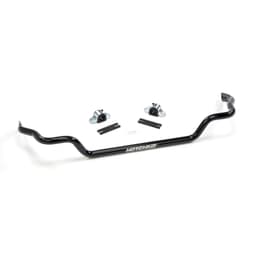
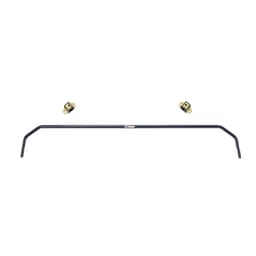
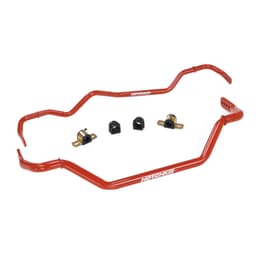
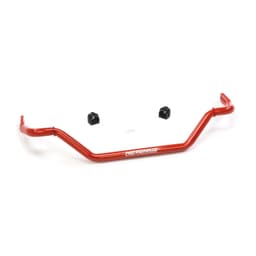
A sway bar, also called an anti-roll bar, is a torsion spring that connects the left and right control arms of your suspension. Its job is to resist body roll during cornering, keeping the car more level and planted. Most vehicles are equipped with at least a front sway bar, while many performance-oriented vehicles also include a rear sway bar. Stock sway bars are usually tuned for comfort rather than performance, so aftermarket upgrades are popular among enthusiasts. Performance sway bars are thicker and therefore stiffer compared to stock sway bars.

How Sway Bars Work
Most of the time, when you're driving straight down a smooth street, your sway bar isn't doing much. When both wheels move together, hitting a speed bump at the same time, for example, the bar simply pivots and doesn't affect handling.
However, when taking a corner, the sway bar helps resist body roll. As the car leans into a turn, the outside suspension compresses while the inside suspension extends. Because the sway bar links the two sides, it twists along its length like a spring to resist that difference in movement, pulling the leaning body back toward level. The result is reduced body roll, along with:
-
Improved steering response
-
Better transitional handling
-
Increased driver confidence
Handling Balance: Understeer vs. Oversteer
Every vehicle has a natural handling balance, a tendency for either the front or rear to lose traction first during hard cornering. When the front loses grip first, the car pushes wide of the intended line; this is understeer. When the rear loses grip first, the back steps out; this is oversteer.

Most vehicles are factory-tuned to understeer slightly, since it's more predictable and safer for the average driver. Sway bar stiffness is one of the most direct ways to adjust this balance:
-
Reduce oversteer: Stiffen the front bar, or soften the rear.
-
Reduce understeer: Stiffen the rear bar, or soften the front.
Sway Bar Stiffness
A thicker bar is a stiffer bar, and the effect is dramatic. Because a bar's stiffness scales with its diameter to the fourth power, even a small increase in thickness produces a large increase in roll resistance.
Solid vs. Tubular: Most OEM bars are solid. Many aftermarket performance bars are tubular (hollow), which allows them to provide the same stiffness as a solid bar but at a significantly lighter weight.
Adjustable Sway Bars
Many performance bars feature multiple end-link mounting holes, letting you tune stiffness without swapping the bar. The hole position changes the effective lever arm:
-
Holes closer to the bar: Create a shorter lever arm, resulting in a stiffer setup.
-
Holes further from the bar: Create a longer lever arm, resulting in a softer setup.
This adjustability lets you dial in your front-and-rear balance for your typical driving conditions, using the understeer/oversteer guidance above.

End Links
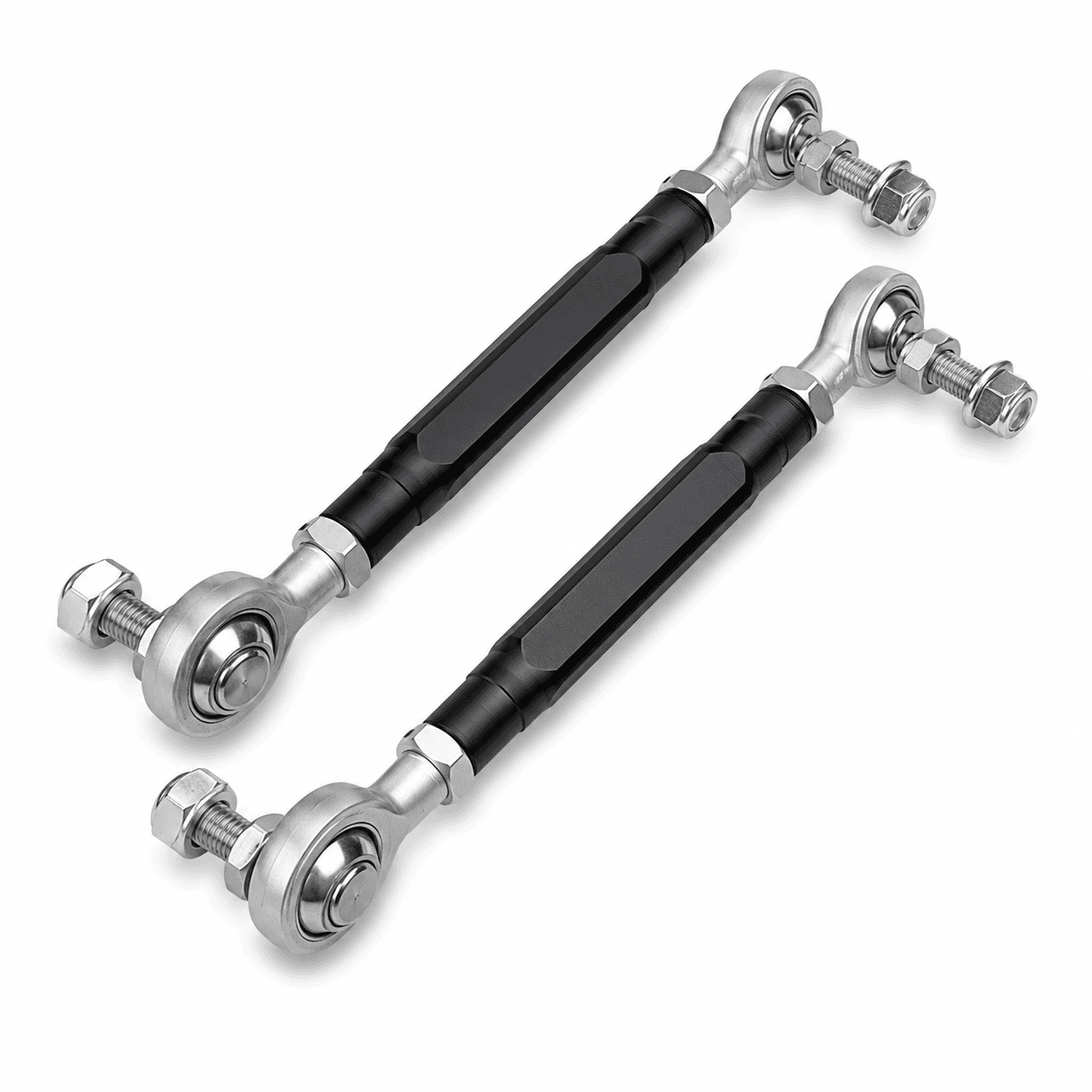
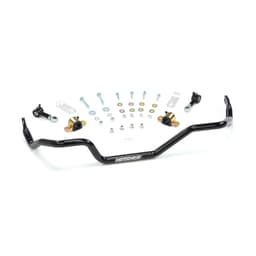
End links connect the sway bar to the suspension. Most aftermarket kits include them, and many enthusiasts choose adjustable versions, particularly on lowered vehicles. Adjustable end links are important for two reasons:
-
Preload: If the bar is twisted at rest (preload), it affects steering and can make left and right turns feel different. Adjustable end links let you set the length so the bar sits with no preload at ride height.
-
Clearance: End link length determines where the bar sits relative to the chassis and road. A bar that sits too low can contact road obstacles or suspension components. A good starting point is to match the factory end link length during installation, which preserves stock clearance and geometry.
Bushing Material
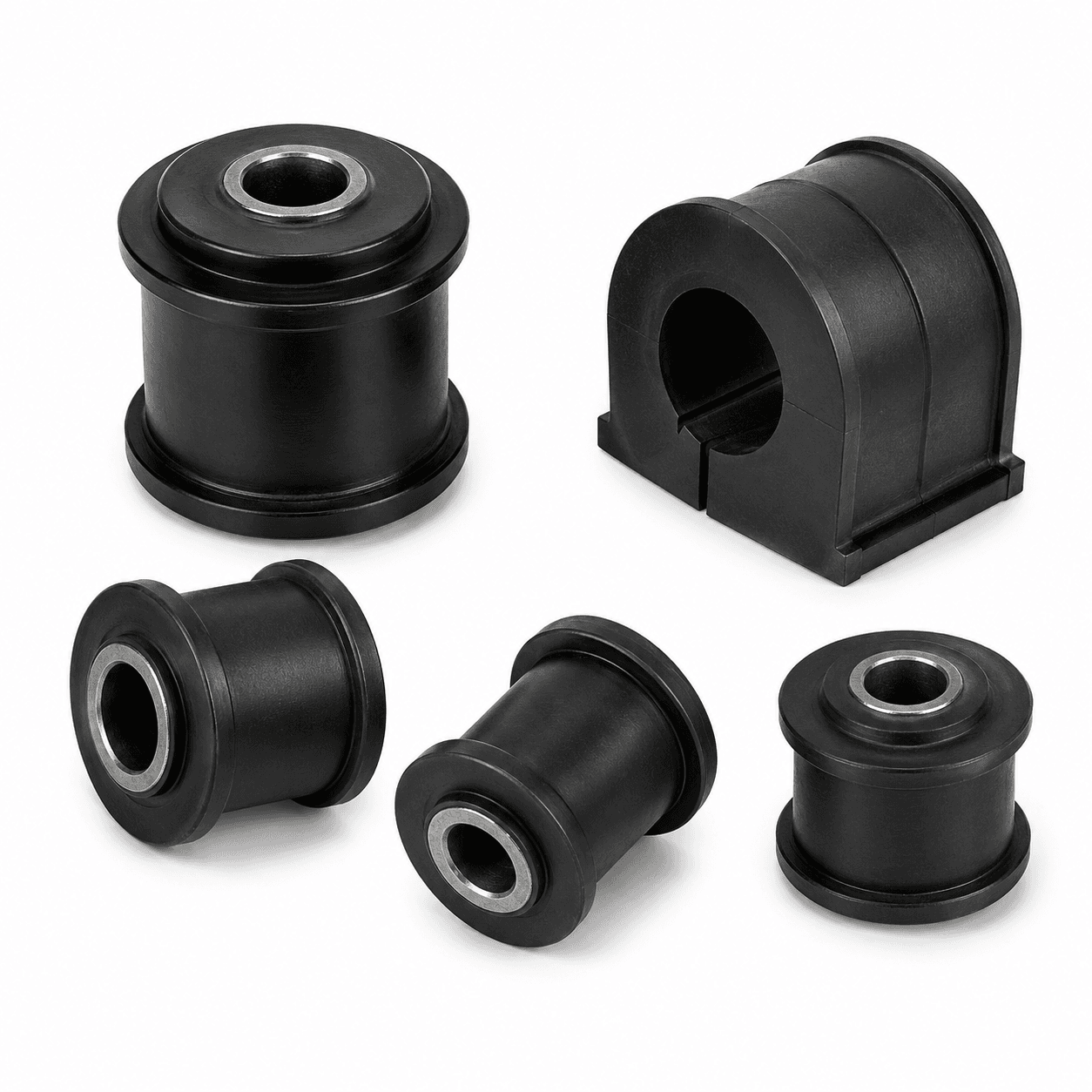
Sway bars mount to the chassis with bushings, and the material affects both responsiveness and NVH (noise, vibration, harshness):
-
Rubber (OEM): Quieter and more compliant, leading to a more comfortable drive at the cost of steering responsiveness.
-
Polyurethane: Offer superior durability and reduced body roll compared to rubber bushings. These are ideal for performance driving. Polyurethane bushings can squeak if not greased or maintained properly.
If you're buying bushings separately from the bar, the bushing's inner diameter must match the bar's diameter exactly for proper fitment.
A Note on Fitment
Sway bars are vehicle-specific, so confirm fitment for your exact year, make, model, and trim before purchasing.
Conclusion
A sway bar upgrade is one of the most cost-effective ways to transform how your car handles. By reducing body roll and sharpening steering response, sway bars can dramatically change how connected and responsive your car feels in corners. When selecting a sway bar, consider overall stiffness, adjustability, bushing material, and fitment. With the right combination of front and rear sway bars, you can fine-tune your vehicle's balance to better match your driving style and intended use. You can find all the parts you need and design your build on RideBuilder.