Buyer's Guide: Control Arms
5 min readRideBuilder
Control Arm Buyer's Guide
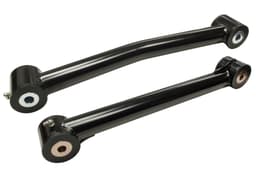
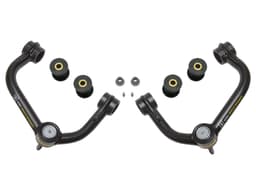
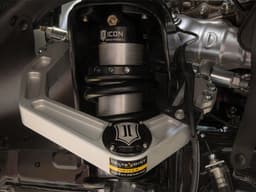
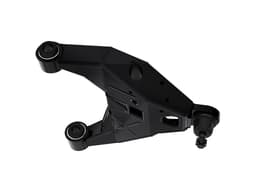
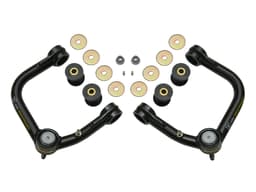
Control arms, also known as A-arms, are fundamental suspension components that connect the steering knuckle to the chassis. They allow for the wheel to move up and down, while supporting the vehicle's weight and maintaining proper wheel alignment. Depending on your suspension design, your vehicle may use both upper and lower control arms, or only a lower control arm, as in MacPherson strut suspensions.
Aftermarket control arms allow enthusiasts to correct suspension geometry, increase material strength, and improve suspension precision. This guide covers everything you need to know to confidently choose the right control arms for your build.
Why Upgrade Your Control Arms?
A control arm's geometry and bushing material affects your vehicle's handling, making them a worthwhile upgrade for anyone looking to dial in suspension performance. Common reasons you would replace or upgrade your control arms include:
-
Geometry Correction: Lowering a vehicle shifts the control arms outside their ideal operating range. Aftermarket arms let you correct this and provide control over caster and camber to restore proper handling.
-
Suspension Precision: Upgraded arms often feature stiffer bushings that reduce deflection (unwanted movement) under heavy cornering loads, improving steering precision.
-
Increased Strength: Aftermarket arms, especially forged or tubular steel versions, are designed to withstand the high stresses of track or off-road use that might bend a factory stamped-steel unit.
-
Bushing Longevity: Replacing old, cracked rubber bushings with modern materials restores the tight feeling of a new car.
How Do Control Arms Work?
Control arms connect at two points: the inboard side mounts to the chassis via bushings, and the outboard side connects to the steering knuckle via a ball joint which allows for rotational movement.
The number of control arms present depends on your vehicle's specific suspension configuration (double wishbone, MacPherson, etc). In a double wishbone suspension, the upper and lower control arms work together to precisely control wheel motion and camber throughout the full range of suspension travel. In a MacPherson strut system, a single lower control arm handles this role, with the strut acting as the upper control arm.

Adjustability
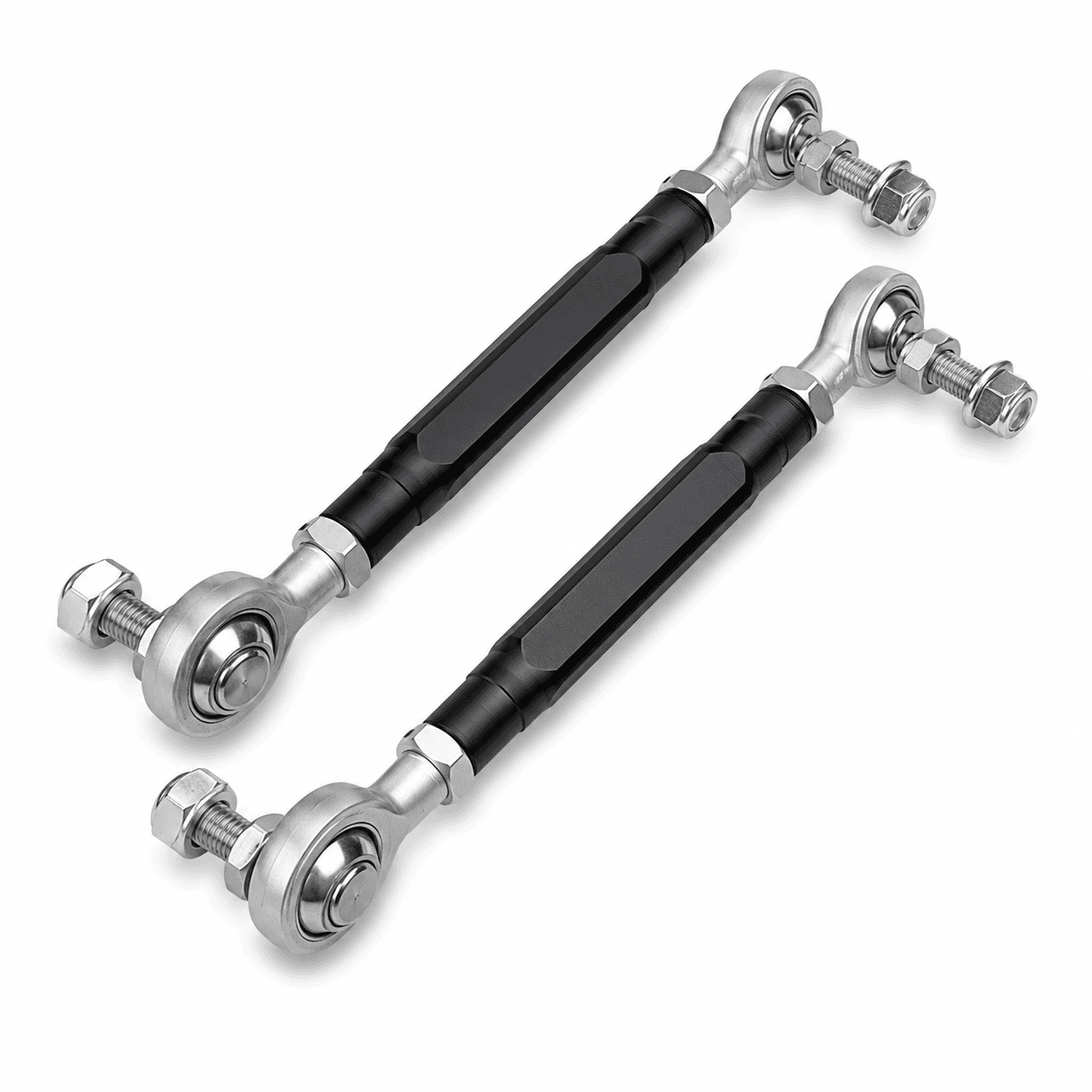
One of the primary reasons enthusiasts choose aftermarket control arms over OEM replacements is the availability of adjustable designs. While factory arms are typically a fixed length, many performance arms feature threaded adjusters or sliding ball joints that allow for fine-tuning of alignment.
-
Camber Adjustment: Allows you to tilt the top of the tire inward (negative camber) for more tire contact through corners and better cornering grip.
-
Caster Adjustment: Helps with straight-line stability and steering feel, specifically the way the wheel self-centers after a turn.


Control Arm Materials
The strength of your control arm is primarily determined by its material. Some of the most common include:
-
Stamped Steel: The most common factory control arm material. Cost-effective and strong enough for everyday use, but heavier and less refined than performance alternatives.
-
Cast/Forged Steel: Offer significantly improved strength over stamped steel, making it a solid choice for heavier vehicles and performance applications. Forged steel is generally stronger than cast.
-
Aluminum: Available in cast or forged form, with forged being the stronger option. Popular for its weight savings and corrosion resistance, making it a common choice on performance or track builds.
Bushing Material
The bushing is the interface between the control arm and the chassis. Your choice here determines how durable and responsive your suspension is. Stiffer materials offer more precision at the cost of increased noise and vibration transmitted to the cabin.
-
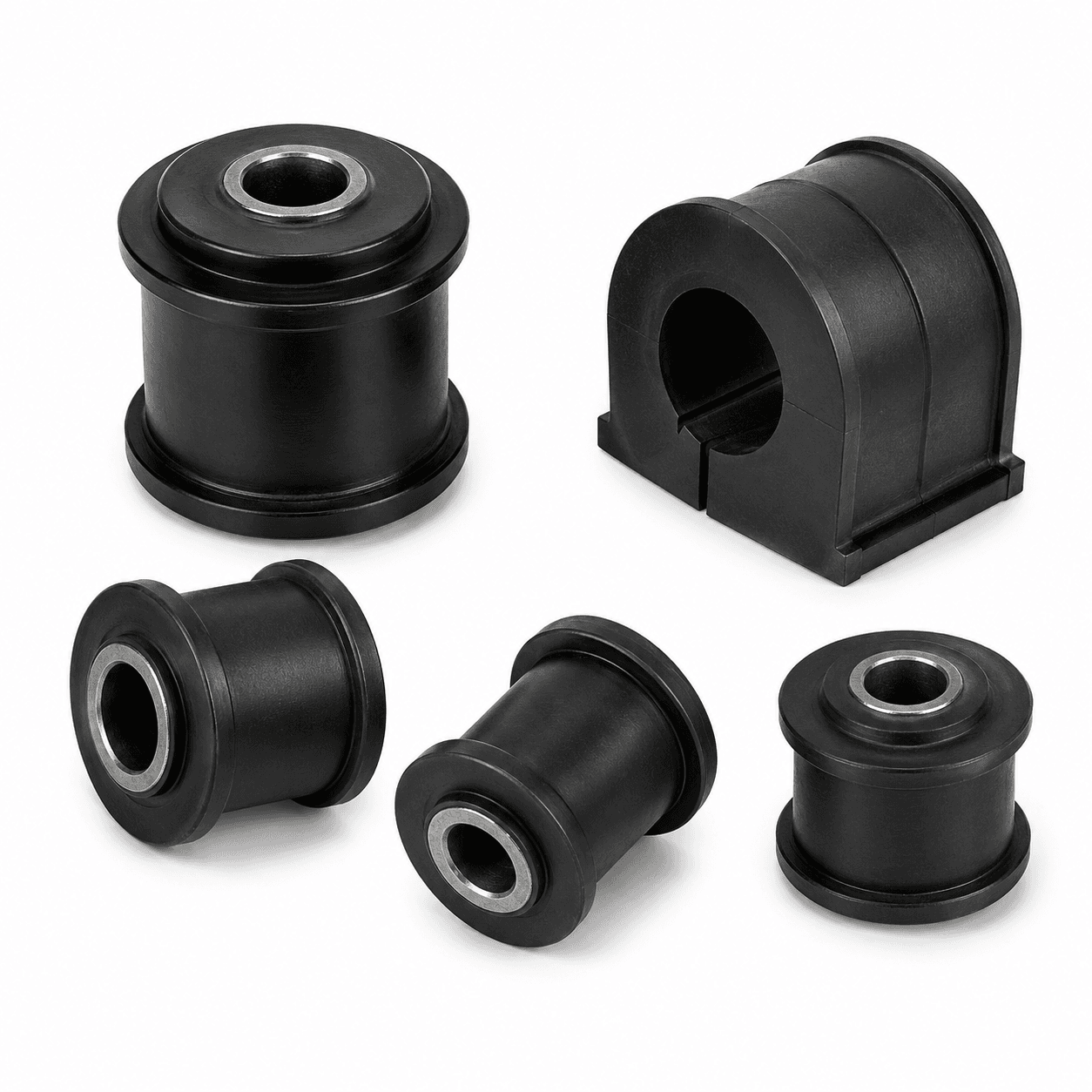
Rubber: Excellent ride comfort and noise isolation, but can deflect under load. Rubber bushings are the right choice for daily drivers prioritizing a smooth, comfortable experience.
-
Polyurethane: Stiffer and longer-lasting than rubber, with noticeably better performance under load. Some additional vibration makes it into the cabin, but overall comfort remains acceptable for street use. A solid all-around choice for performance street cars.
-
Spherical Bushings: Offer maximum precision by eliminating deflection entirely, maintaining consistent suspension geometry under all conditions. Ideal for dedicated track cars, but poorly suited for street use due to harshness, noise, and a shorter service life.
Conclusion
Control arms play a critical role in determining how your suspension behaves, affecting everything from alignment and tire wear to steering feel and cornering performance. Whether you're replacing worn factory components, correcting geometry after changing ride height, or building a dedicated performance setup, the right control arms can significantly improve the consistency and responsiveness of your suspension. For the best results, make sure to get an alignment after installation. No matter your application, you can find all the parts you need and design your build on RideBuilder.