
Buyer's Guide: Bushings
4 min read
RideBuilder
Bushing Buyer's Guide
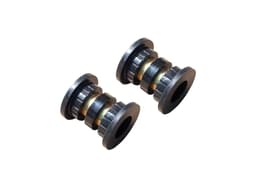
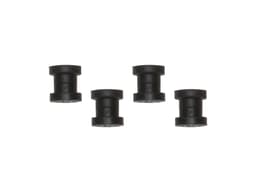
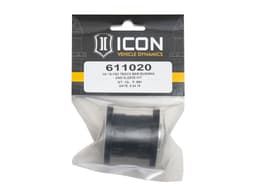
Bushings sit between two metal components to absorb road vibrations, ensuring a quiet and comfortable ride while allowing necessary movement. Bushings are commonly made from rubber or polyurethane and can be found throughout the suspension system and chassis. Soft or worn bushings can make a vehicle feel loose and imprecise. To improve performance and sharpen handling, enthusiasts frequently upgrade to stiffer materials like polyurethane. This guide covers common bushing locations, when to replace them, material options, and what to expect from performance upgrades.
How Bushings Work
Bushings compress and deflect slightly, absorbing energy and making the ride more comfortable. Without bushings, every bump would transmit directly through the chassis as harsh noise and vibration. Stiffer bushings reduce play and enhance performance but transmit more vibration and noise.
Bushing Locations
Bushings appear throughout the suspension and chassis. Your vehicle model will determine the exact number and locations of bushings. Common locations include:
-
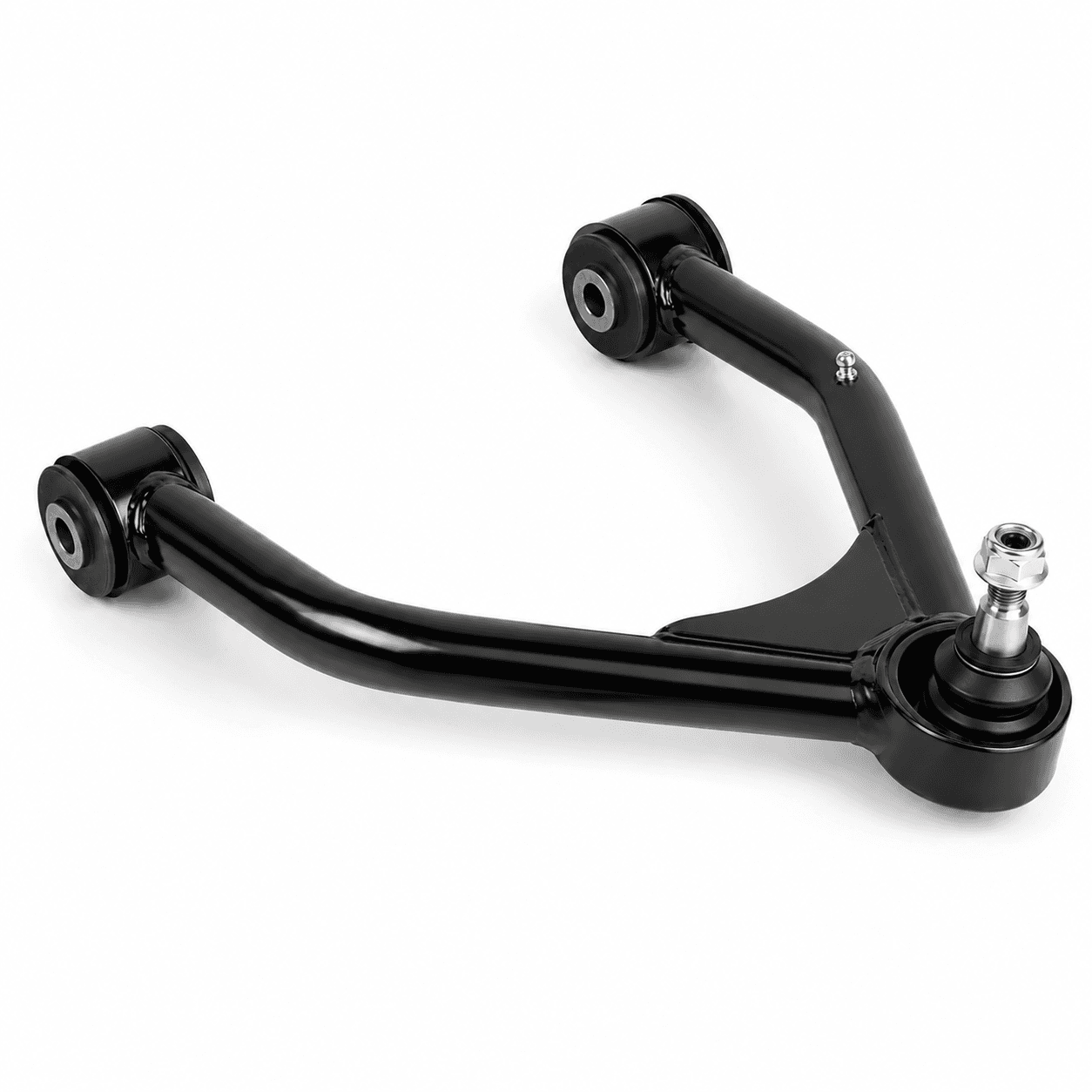
Control arm bushings: Connect the control arms to the chassis. They allow the control arm to move vertically with suspension travel while resisting other movement.
-
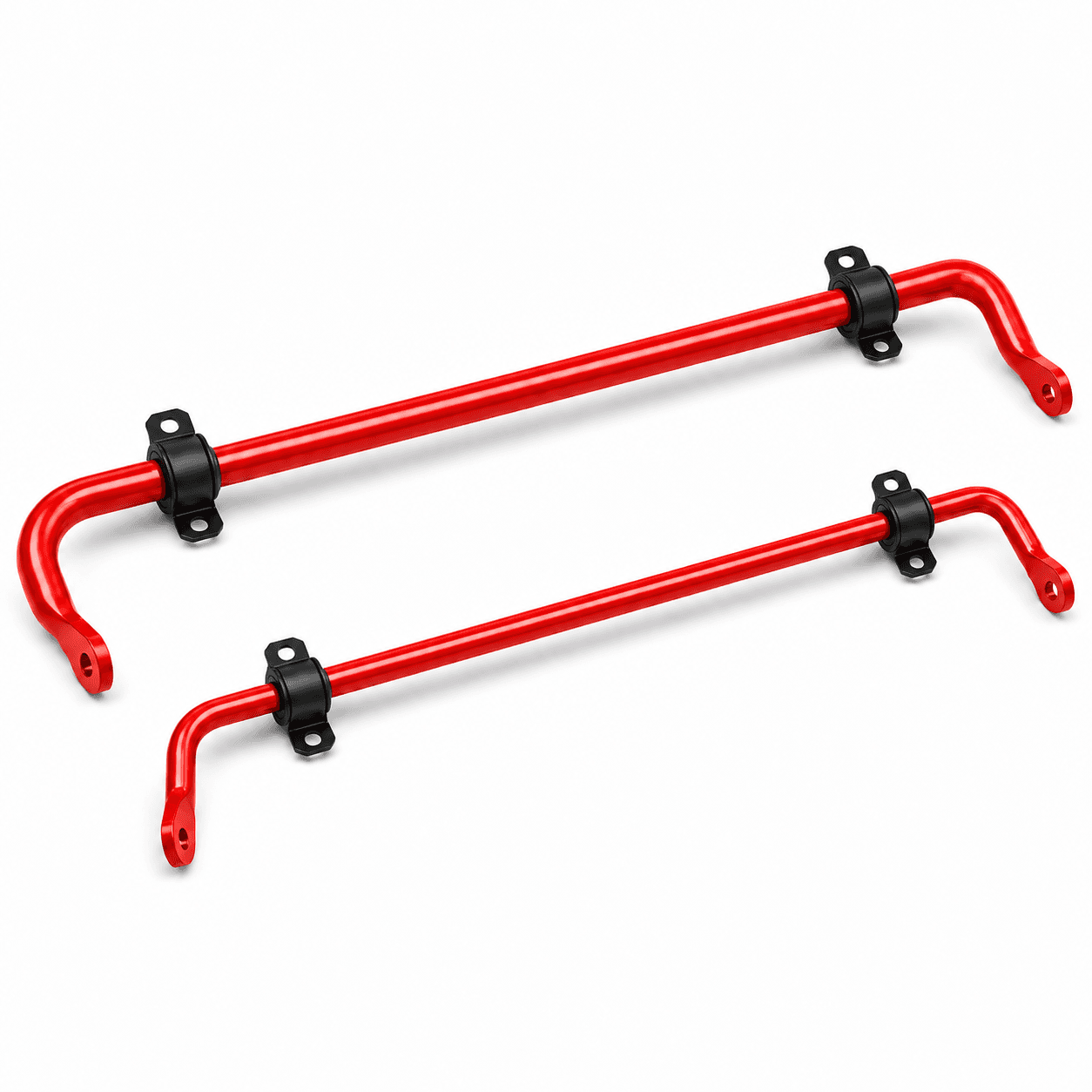
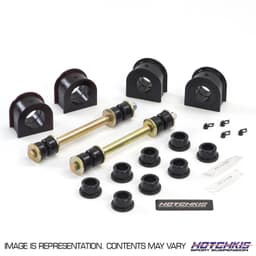
Sway bar bushings: Mounts the sway bar to the chassis.
-
Engine mounts: Isolates the engine and transmission from the chassis, reducing engine vibrations transmitted to the cabin.
-
Differential/subframe bushings: Isolates the differential and engine subframe from the chassis, reducing engine vibrations transmitted to the cabin.
-
Steering rack bushings: Mounts the steering rack to the chassis.
How to Identify Worn Bushings
Bushings deteriorate over time as the factory rubber hardens or cracks. This can introduce excessive play into the suspension. When looking for worn bushings, first start with a visual inspection. Look for visible cracks or separation of the rubber from their metal sleeves. Common symptoms of worn bushings include:
-
Clunking or rattling noises
-
Loose steering
-
Pulling to one side
-
Bumpy or harsh ride
-
Accelerated tire wear
If you are removing and installing a bushing yourself, avoid the hassle and get the right tools for the job - or get a professional installation. Bushing removal requires a bushing press tool.
Bushing Materials
Rubber
Factory bushings are made from rubber to prioritize comfort. They are durable, inexpensive, and provide excellent vibration and noise damping. The downside of rubber is that it is relatively soft and compliant, which reduces handling precision. Rubber bushings are best for street cars and daily drivers where ride comfort and noise isolation are priorities.
Polyurethane
Polyurethane is a synthetic material that is significantly stiffer than rubber. Polyurethane bushings allow less suspension play and sharpen handling response. They also resist deterioration, maintaining their properties over decades. The downside is that more vibration and noise gets transmitted to the cabin. Polyurethane bushings are best for performance street cars, track cars, and any vehicle where handling precision matters more than ride smoothness.
Many performance street drivers upgrade the control arm and sway bar bushings to polyurethane while keeping comfort-based bushings like engine mounts in rubber. This balances handling improvements with ride quality.
Spherical Bearings
Some high-performance builds replace bushings with spherical bearings (Heim joints) that eliminate all bushing compliance. Spherical bearings should not be used for street use due to the excessive vibration and noise, but are great options for dedicated track cars.
Conclusion
Bushings are wear items that eventually require replacement as the rubber hardens and deteriorates. If you're looking to sharpen handling, upgrading to polyurethane bushings might be the right choice, just expect slightly more noise and vibration. When replacing bushings, decide whether you value comfort (rubber) or performance (polyurethane). Choose your material accordingly and verify compatibility with your specific vehicle before purchasing.