
Buyer's Guide: Strut Brace
5 min read
RideBuilder
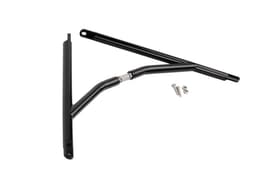
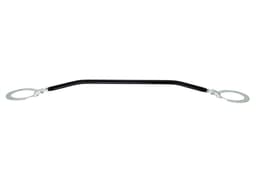
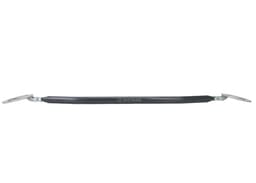
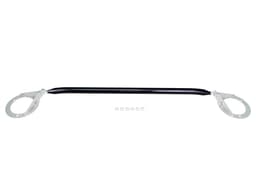
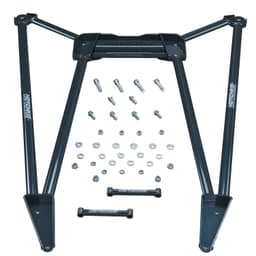
Strut Brace Buyer's Guide
When a vehicle corners, brakes, or accelerates hard, significant forces are transferred through the suspension into the chassis at the strut tower mounting points. On most production vehicles, these mounting points operate independently, allowing a degree of chassis flex that can reduce steering precision and suspension consistency.
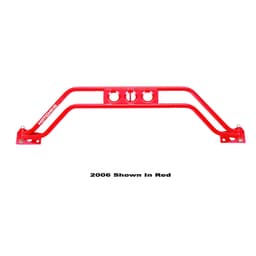
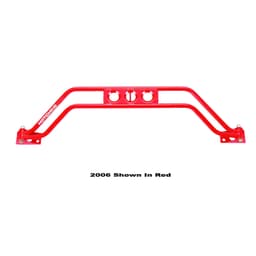
A strut brace - also called a strut tower brace or strut bar - connects the left and right strut towers with a rigid bar to reduce chassis flex and improve rigidity. The result is more predictable handling, sharper steering response, and a more connected driving feel. This guide covers everything you need to know to choose the right strut brace for your vehicle.

How Does a Strut Brace Work?
A strut brace is a rigid metal bar that bridges the gap between the two suspension mounting points on the left and right sides of the vehicle. Its purpose is to resist the flexing and twisting of the chassis during cornering, hard braking, and acceleration due to uneven applied forces.
Without a strut brace, the chassis absorbs this stress by flexing slightly, a phenomenon known as chassis flex. While modern vehicles are engineered to safely tolerate this flex, it introduces inconsistency in suspension geometry and handling response.
Strut braces are most commonly mounted across the front strut towers in the engine bay, though rear strut braces are also available. Front braces are more popular because that's where the majority of braking and steering forces are concentrated. Rear braces, while effective at improving rigidity in the back of the car, come with the notable downside of reduced trunk or cargo space.
MacPherson Struts: Why Strut Braces Work Best Here
Strut braces are most common — and most effective — on vehicles with a MacPherson strut suspension. In this design, the strut itself acts as the upper control arm, meaning the strut towers experience much higher lateral forces during cornering compared to double wishbone setups. By connecting both towers, the brace distributes this load across the chassis rather than concentrating it at each individual mounting point.
Strut Brace vs. Sway Bar
These two parts are often confused, but they address different problems:
-
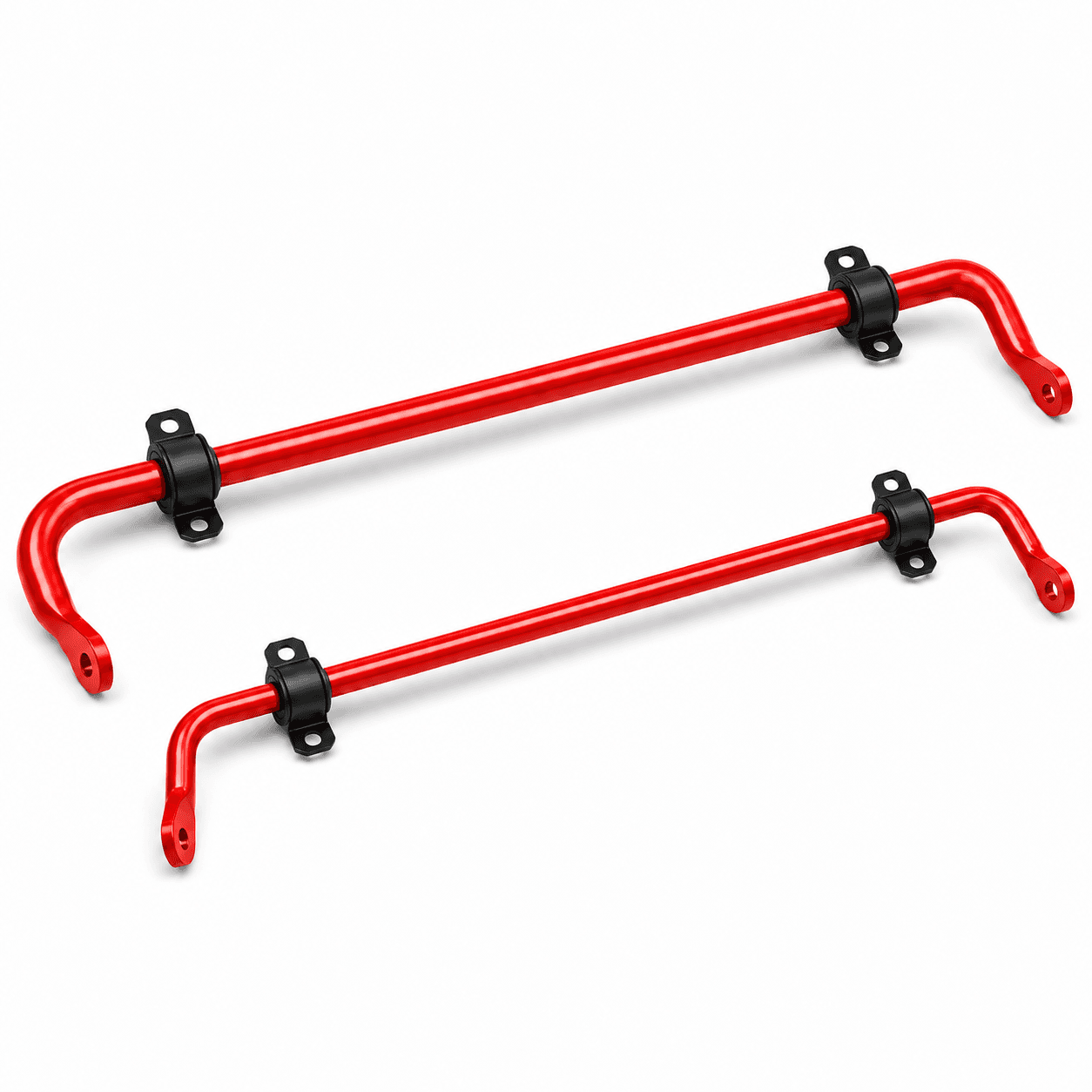
Sway bars reduce body roll by linking the left and right control arms.
-
Strut braces improve chassis rigidity by linking the strut mounting points, reducing chassis flex.
For the best handling, these two modifications should be paired together. You can read more about sway bars here.
How to Choose a Strut Brace
Compatibility and Clearance
Strut braces are highly vehicle-specific. Always choose a strut brace specifically designed for your vehicle. Additionally, not every car can accommodate one. Some engine bays lack the necessary mounting points or have other components like the intake manifold in the path between the two towers. If you have other aftermarket parts installed, always double check engine bay clearance before purchasing.
Position: Front vs. Rear
-
Front: The most common position as this is where braking and steering forces are concentrated.
-
Rear: Useful for improving rigidity at the back of the car, particularly on hatchbacks and wagons where the rear structure is more open. Be aware that installation may require removing or trimming interior trim panels and will reduce available cargo space.
Mounting Style: 2-Point vs. 3-Point
Most braces are 2-point, connecting the two towers. For maximum rigidity, 3-point braces include an additional mounting point to the firewall. 3-point braces are more common on track builds.
Material
-
Steel: Strong, affordable, but heavier than alternatives. Best for budget builds or heavy-duty track use.
-
Aluminum: Good strength and meaningful weight savings. Best for street use and moderate track use.
-
Carbon Fiber: Maximum weight savings and excellent rigidity. Best for performance builds willing to pay premium prices.
Conclusion
A strut brace is one of the simplest, most accessible chassis upgrades available. It's a bolt-on modification that improves chassis rigidity and handling consistency, without meaningfully affecting ride quality. By reducing flex between strut tower mounting points, it helps your suspension work more predictably under load.
For the best results, pair your strut brace with complementary suspension upgrades like sway bars, coilovers, or lowering springs. You can find all the parts you need and plan your build on RideBuilder.