
Buyer's Guide: Brake Master Cylinder
8 min read
RideBuilder
Master Cylinder Buyer's Guide
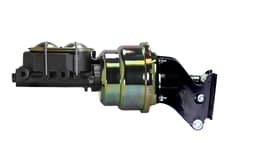
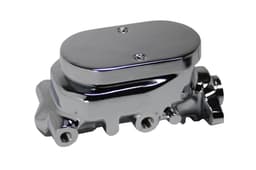
The brake master cylinder converts force from the brake pedal into hydraulic pressure within the brake lines. When you press the pedal, the master cylinder pushes brake fluid through the brake lines to the calipers (disc brakes) or wheel cylinders (drum brakes), generating braking force at the wheels that slows the vehicle. On most vehicles, the master cylinder is mounted on the driver-side firewall bolted to the brake booster, or directly to the firewall on manual brake setups. The brake fluid reservoir sits on top of the master cylinder, making it easy to find. This guide walks you through how master cylinders work, when to replace or upgrade yours, and how to select the right bore size for your brake setup.
How a Brake Master Cylinder Works

Key Parts & Function
-
Pistons: Move forward in the bore to pressurize brake fluid when the brake pedal is pressed.
-
Cup Seals: Seal the pistons against the bore walls to maintain pressure. They act as one-way valves, allowing fluid to flow into the hydraulic system but not out, which is important to maintaining brake pressure.
-
Springs: Return the pistons to their resting position when you release the pedal.
-
Brake Lines: Transmit hydraulic pressure to each brake.
-
Reservoir: Stores brake fluid. Often includes a brake fluid level sensor to tell you when your brake fluid is low.
-
Compensating Port: A small port connecting the master cylinder to the reservoir. It is responsible for allowing fluid to flow in and out of the brake system at rest.
-
Inlet Port: Supplies fluid to the hydraulic system when the brake is released to prevent air from entering the system.
What Happens During Braking
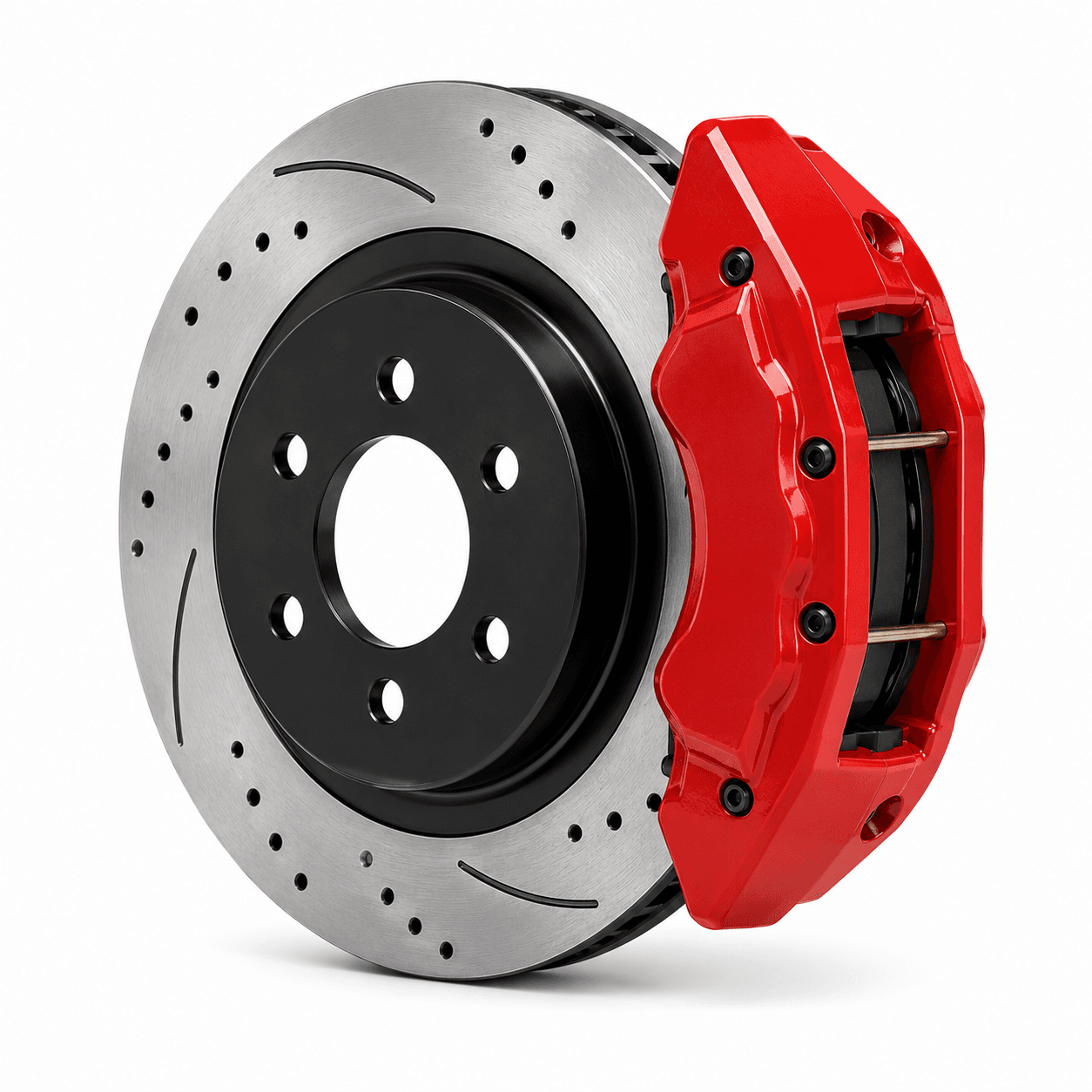
When you press the brake pedal, the master cylinder pushrod moves the pistons inside the bore (the hollow section of the tube). As the pistons move within the master cylinder, they block the compensating port, creating a closed hydraulic system. This allows pressure to build up within the system and to be transmitted to the brakes. As the driver continues to press the brake pedal, the pressure within the brake lines continues to rise, ultimately delivering more braking force at the wheels. Read more about how brake calipers convert hydraulic pressure into braking force here.
When the driver releases the pedal, the springs push the master cylinder back to its resting position. The cup seals, acting as one way seals, allow fluid to flow into the hydraulic system due to the low pressure environment created by releasing the brake pedal. This prevents air from entering the brake lines from the pistons seals that are present at the brake calipers.
The compensating port is responsible for adding fluid to the hydraulic system as your brake pad wears down, ensuring that the brake pad stays in close proximity to the brake rotor, regardless of the brake pad's wear. The compensating port is also responsible for allowing fluid to flow in/out of the hydraulic system as the brake fluid temperature changes and it expands/contracts.
Why Replace Your Master Cylinder?
Failures of the master cylinder can either be classified as internal or external. Failures can manifest as poor braking response, low brake fluid, a sinking pedal, or a spongy pedal.
-
Internal: Internal failures arise from leaky cup seals, preventing the master cylinder from maintaining pressure in its brake lines. Internal failures often manifest as a spongy or sinking pedal. To test for an internal failure, apply firm continuous pressure to the brake pedal. If the pedal slowly sinks, you likely have an internal master cylinder leak.
-
External: External failures involve visible fluid leaks around the unit. Possible locations of this fluid leak include the connection to the brake booster, the connection to the fluid reservoir, and the connection to the brake lines. Low brake fluid in your reservoir can be an indicator for an external leak.
These symptoms can overlap with other issues within the braking system (such as air in the lines, leaking calipers, etc), so it is best to inspect and diagnose your braking system before replacing the master cylinder.
Why Upgrade Your Master Cylinder?
You may consider upgrading your master cylinder if you have modified other braking components enough that your stock master cylinder no longer provides a good pedal feel. These mods could be:
-
Big brake kit: If you have increased total caliper piston area significantly with a big brake kit, you will need to displace more fluid than your master cylinder can provide to lock your brakes. This will require you to increase your master cylinder bore size.
-
Rear drum-to-disc conversions. This also increases the amount of fluid you need to displace to lock your brakes, often requiring an increase in master cylinder bore size.
-
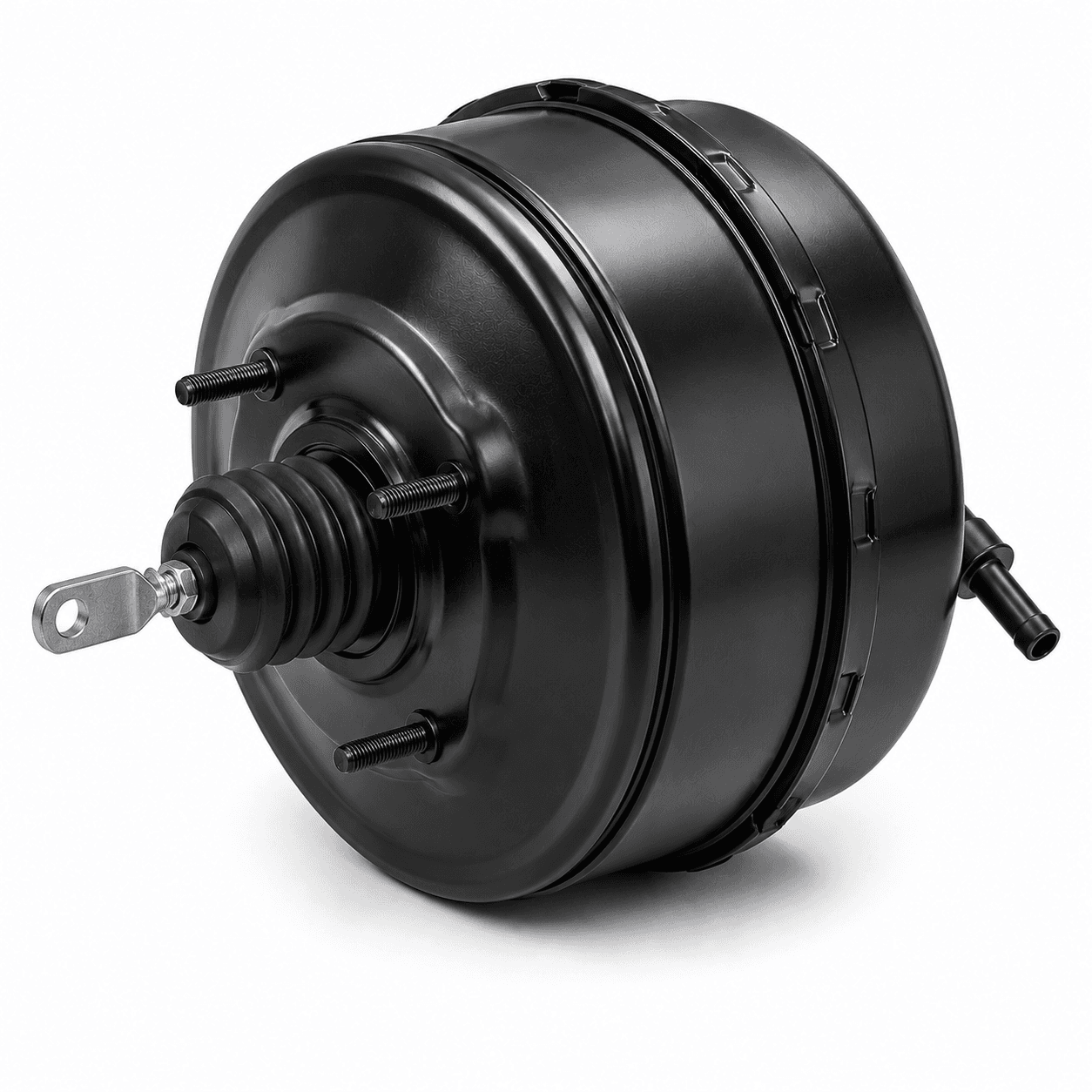
Brake Booster Changes: Removing or replacing the brake booster changes the force delivered to the master cylinder pushrod, which affects the pressure generated for a given pedal input. A different bore size may be needed to restore the correct pedal feel.
-
Pedal Ratio Changes: Changing the pedal ratio alters the mechanical advantage applied to the master cylinder. This affects the balance between pedal travel and pedal effort and may require a bore size adjustment to compensate.
You may also want to upgrade your master cylinder if your vehicle has a single-reservoir master cylinder (commonly found on vehicles pre ~1970). Failures in a single-reservoir master cylinder leads to complete brake failure. Fortunately, these types of master cylinders were phased out in the late 1960s due to being safety hazards. Modern master cylinders are tandem master cylinders, featuring two distinct hydraulic circuits so if one circuit fails, the other circuit is still available to stop the car.
Key Specifications
Bore Size
Bore size is the most important master cylinder specification. It determines how much fluid is displaced with each inch of piston travel as the brake pedal is pressed. Bore size controls the balance between pedal travel and pedal effort.
-
Larger bore: More fluid displaced per stroke → more caliper actuation per pedal press → shorter pedal travel, but higher pedal effort required.
-
Smaller bore: Less fluid displaced per stroke → less pressure per pedal press → lighter pedal effort, but longer pedal travel.
If your pedal feels too hard and short, try a smaller bore. If it feels too soft and long, try a larger bore. Typical bore size ranges:
-
Manual brakes (no booster): 15/16" to 1"
-
Power brakes (with booster): 1" to 1-1/8"
Your total caliper piston area divided by your master cylinder bore area should approximately equal your brake pedal ratio. If the result is significantly higher or lower, adjust bore size accordingly.
Type
-
Single reservoir master cylinders are present on older cars. If your single master cylinder fails, your entire braking system fails. These were phased out in the late 1960s due to safety concerns. We recommend upgrading to a tandem master cylinder.
-
Tandem: By far the most common master cylinder design, featuring two independent hydraulic circuits to prevent a single point of failure.
-
Dual: Dual master cylinders use two separate master cylinders and are commonly used in racing applications.
How to Confirm Compatibility
-
Mounting Pattern: The master cylinder must bolt directly to your brake booster or firewall. Bolt patterns can vary.
-
Bore size: Use the calculation above or match OEM if you are doing a direct replacement without other brake modifications.
-
Pushrod length: The pushrod connecting the brake pedal or booster to the master cylinder must be the correct length to avoid excessive pre-load or insufficient travel.
Conclusion
The master cylinder is the heart of the hydraulic braking system, converting your brake pedal input into hydraulic pressure within the brake lines. For a direct replacement, match the OEM bore size and mounting pattern. If you've upgraded your calipers, added rear disc brakes, altered your pedal ratio, or changed brake boosters, you may consider changing your master cylinder bore size. Use the calculation above to find the perfect size for your system. You can find all the parts you need and plan your build on RideBuilder.