
Buyer's Guide: Drum Brake
4 min read
RideBuilder
Drum Brake Buyer's Guide
Drum brakes are a type of braking system in which brake shoes press outward against the surface of a metal drum to generate friction and slow the vehicle. While disc brakes have become the standard on modern vehicles, drum brakes remain common on the rear axle of many cars and trucks. This guide walks you through how they work, maintenance items, and what to consider when doing a drum-to-disc conversion.
How Drum Brakes Work
A drum brake assembly consists of several components working together inside a rotating drum.

-
Brake drum: The inner surface of brake drum is the friction surface against which the shoes press. The brake drum rotates with the wheel.
-
Brake shoes: Curved metal plates lined with friction material. When actuated, they expand outward and press against the inner drum surface.
-
Wheel cylinder: A small hydraulic cylinder that receives pressurized brake fluid and pushes the shoes outward against the drum.
-
Return springs: Pull the shoes back to their resting position when brake pressure is released.
-
Adjuster: A mechanical device that maintains the correct gap between the shoes and drum as the friction material wears down.
-
Parking brake mechanism: Most drum brake assemblies include an integrated parking brake lever that mechanically expands the shoes independent of the hydraulic system.
Drum Brake Maintenance
The two main maintenance items within a drum brake are the brake shoes and the brake drum.
Brake shoes should be replaced when the friction material wears down to approximately 1–2mm of remaining thickness. Unfortunately, inspection requires removing the drum.
The drum wears down over time as the brake shoes press against them. If the drum is at or beyond its maximum diameter printed on the outside or shows deep scoring, replace it.
If your vehicle has high mileage or has been sitting for an extended period of time, replacing the entire assembly often makes the most sense. Drum brake kits are available for most common applications.
Drum-to-Disc Conversion
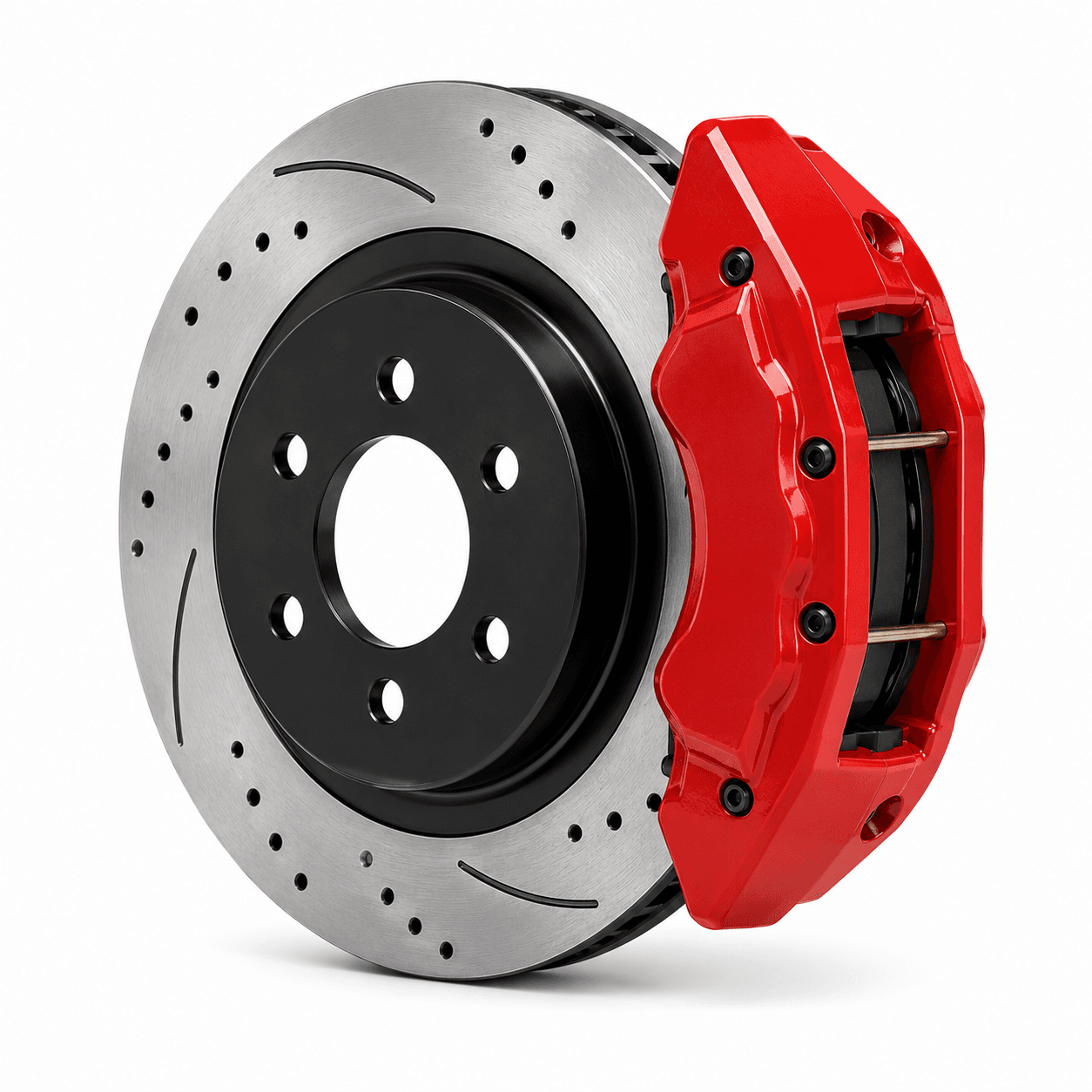
Under sustained hard braking, drum brakes are significantly more prone to brake fade than disc brakes because the heat gets trapped inside the drum. This is the primary reason performance vehicles use disc brakes at all four corners and why drum brakes are generally relegated to rear axles on modern vehicles, where braking loads are lower.
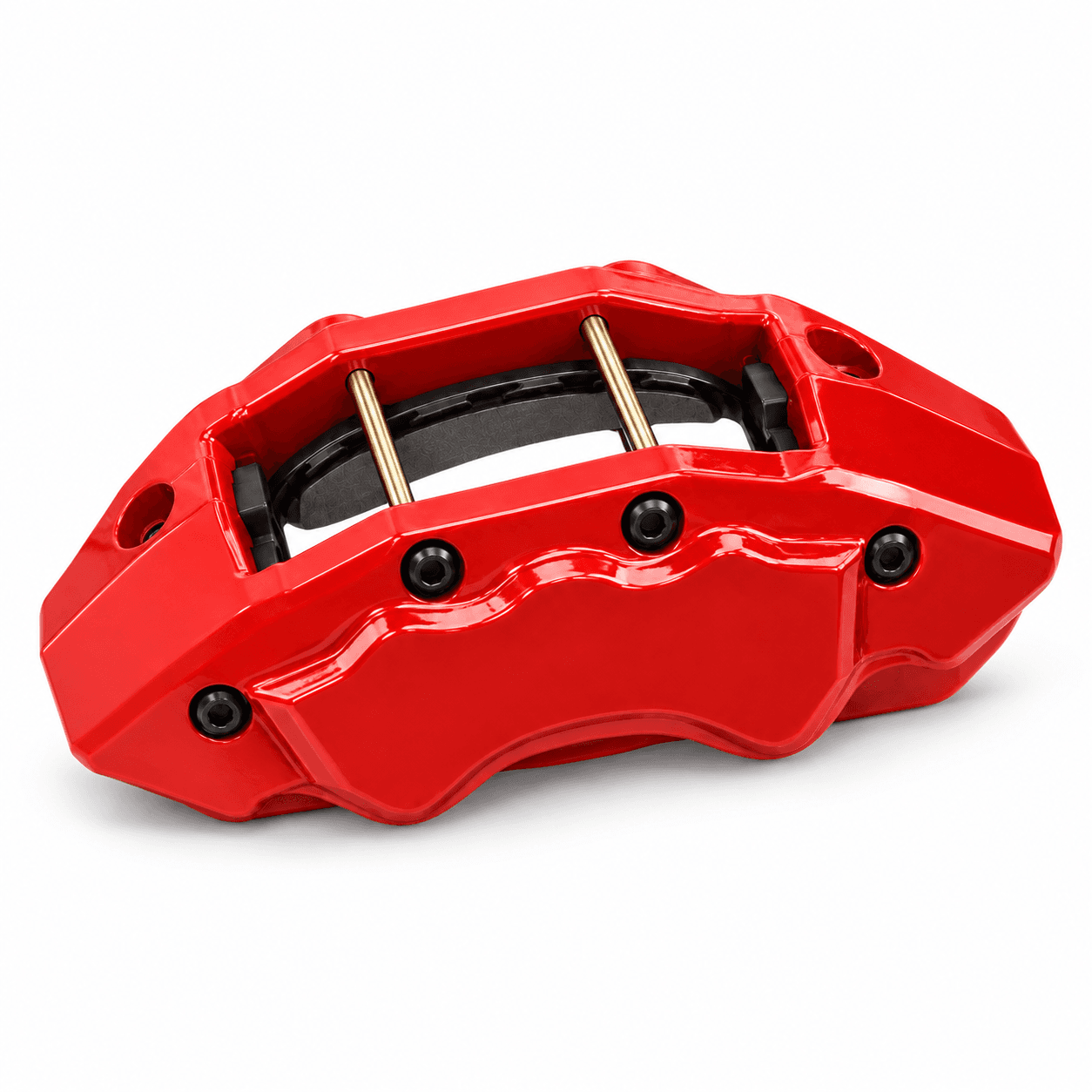
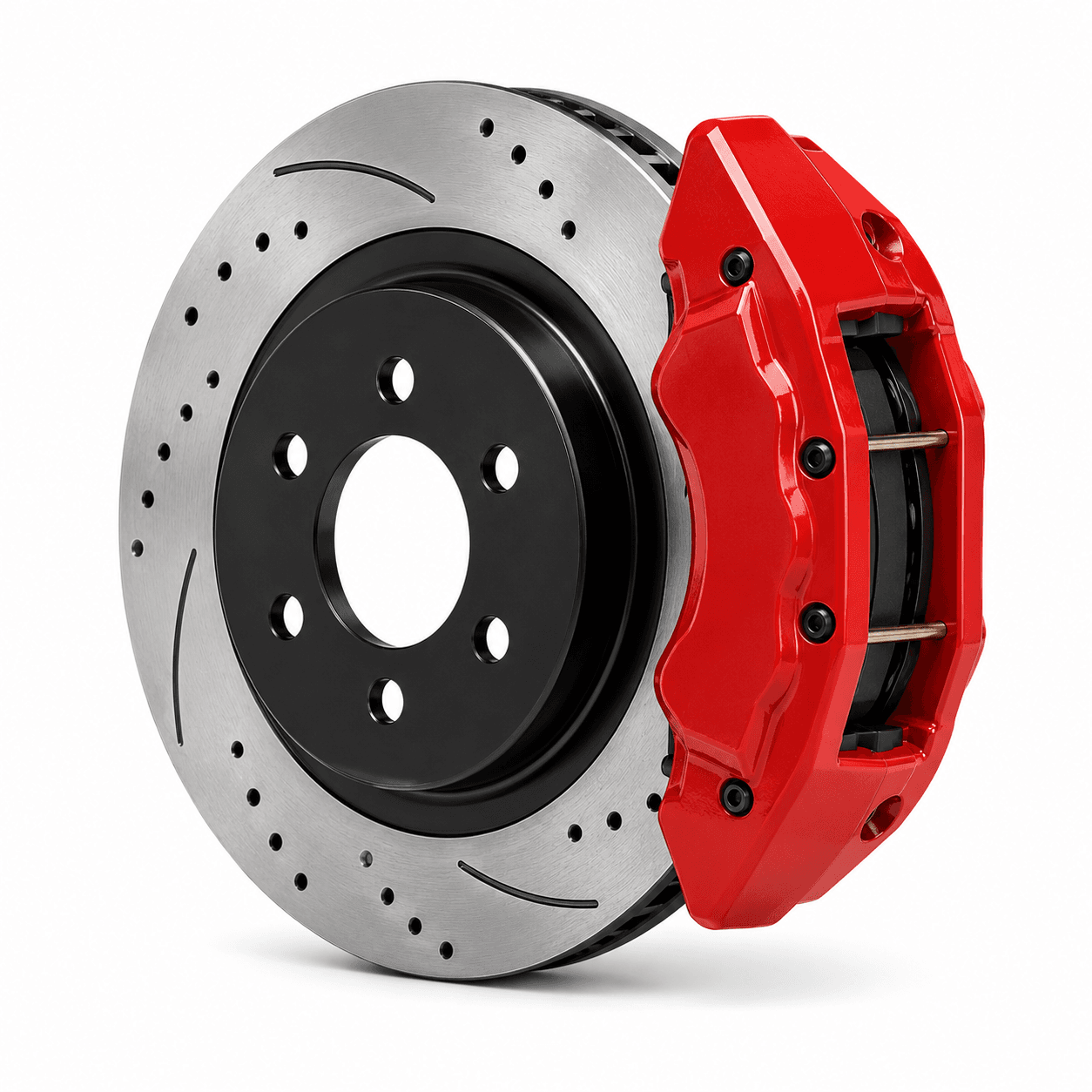
For everyday street driving, rear drum brakes are entirely adequate. For performance builds, track use, or any application with significantly increased power, converting the rear to disc brakes is a common and worthwhile upgrade. The benefits include shorter stopping distances, reduced brake fade, and simplified maintenance.
Conversion kits are available for most common vehicles and typically include all necessary hardware. Key considerations before converting include:
-
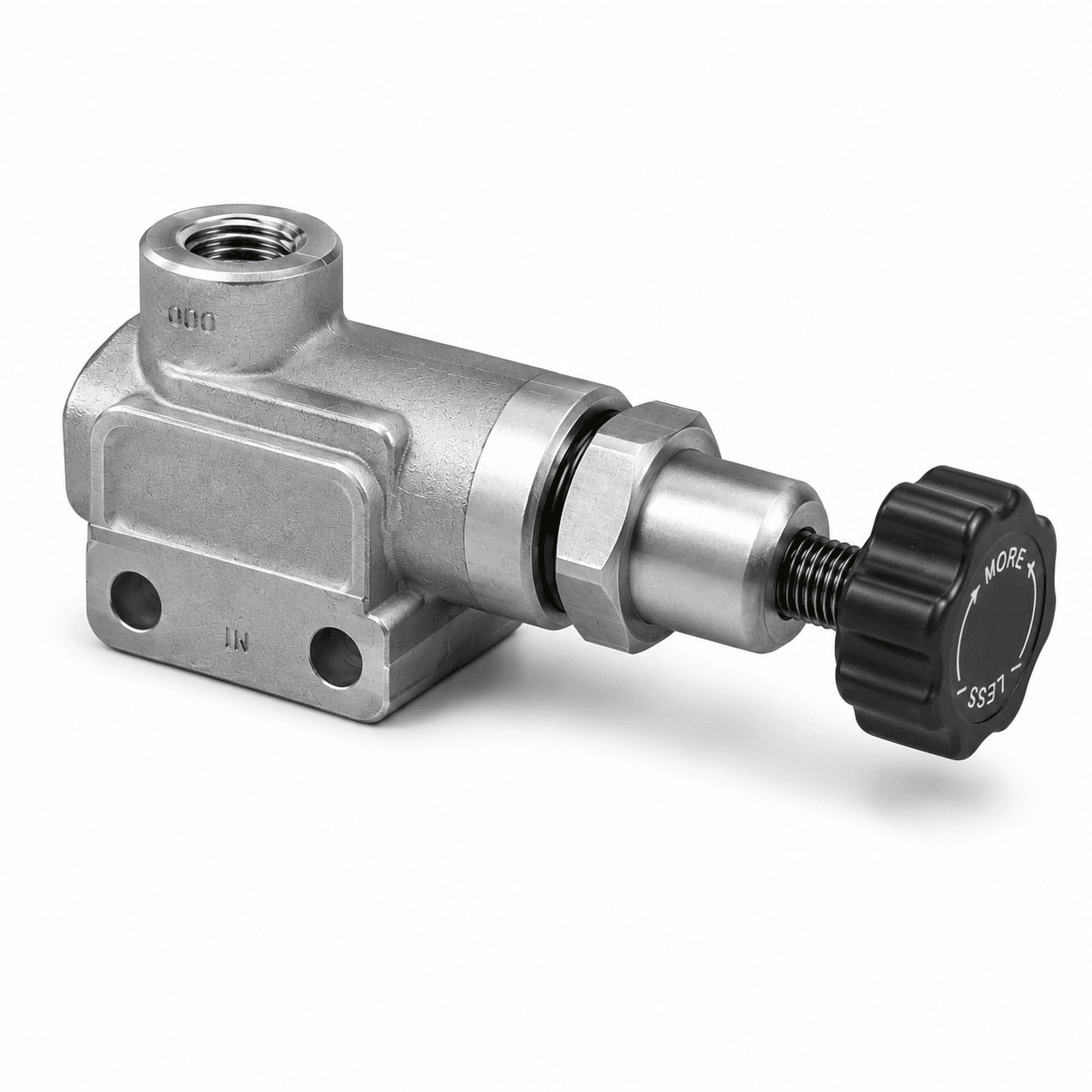
Brake Bias: Converting the rear to disc changes the hydraulic balance of the system. Many vehicles require a proportioning valve adjustment, changes to the residual pressure valve setup, or even changes to the master cylinder bore size. These adjustments must be made to prevent the rear brakes from locking before the fronts.
-
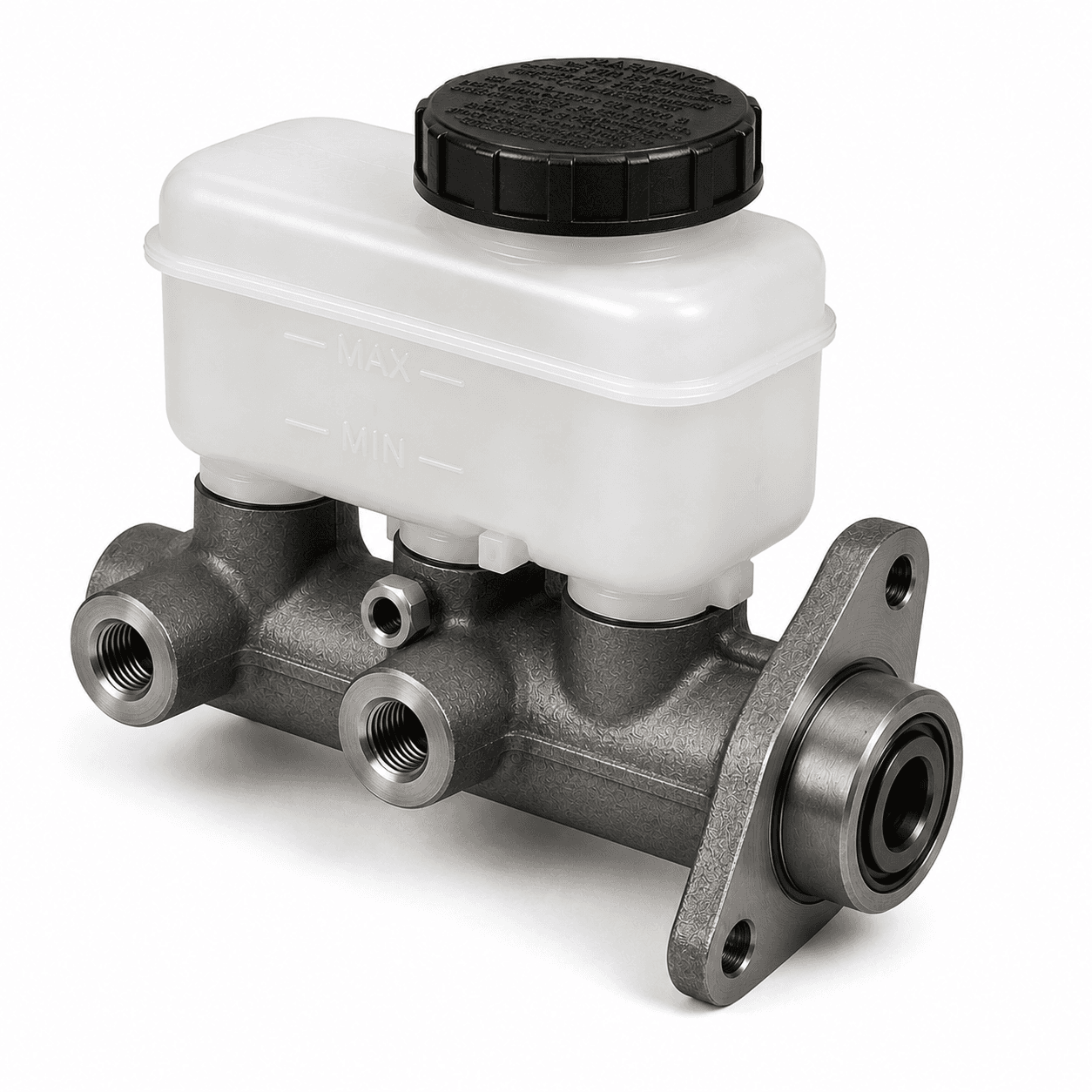
Master cylinder: In some cases, converting to rear disc brakes requires a master cylinder with a different bore size to maintain correct fluid displacement and pedal feel. Consult the conversion kit manufacturer's recommendations.
Conclusion
Drum brakes are reliable and appropriate for rear axle street use on most everyday vehicles. Their core limitation is heat; under sustained hard braking they fade faster than disc brakes, which limits their suitability for performance applications. For maintenance and replacement, match your drum and shoe specifications to the original and replace the full assembly if the vehicle has high mileage or has been sitting. For performance builds or any vehicle where fade is a concern, a drum-to-disc conversion is a wise choice, just plan for the hydraulic changes it requires. You can find all the parts you need and plan your build on RideBuilder.