Buyer's Guide: Brake Booster
5 min read
RideBuilder
Brake Booster Buyer's Guide
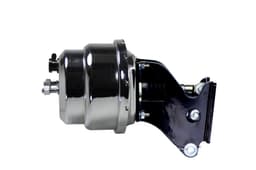
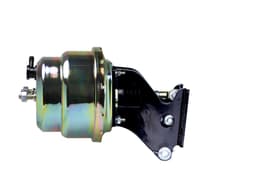
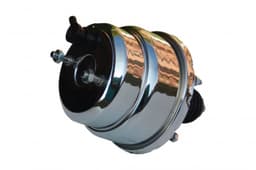
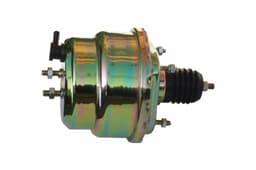
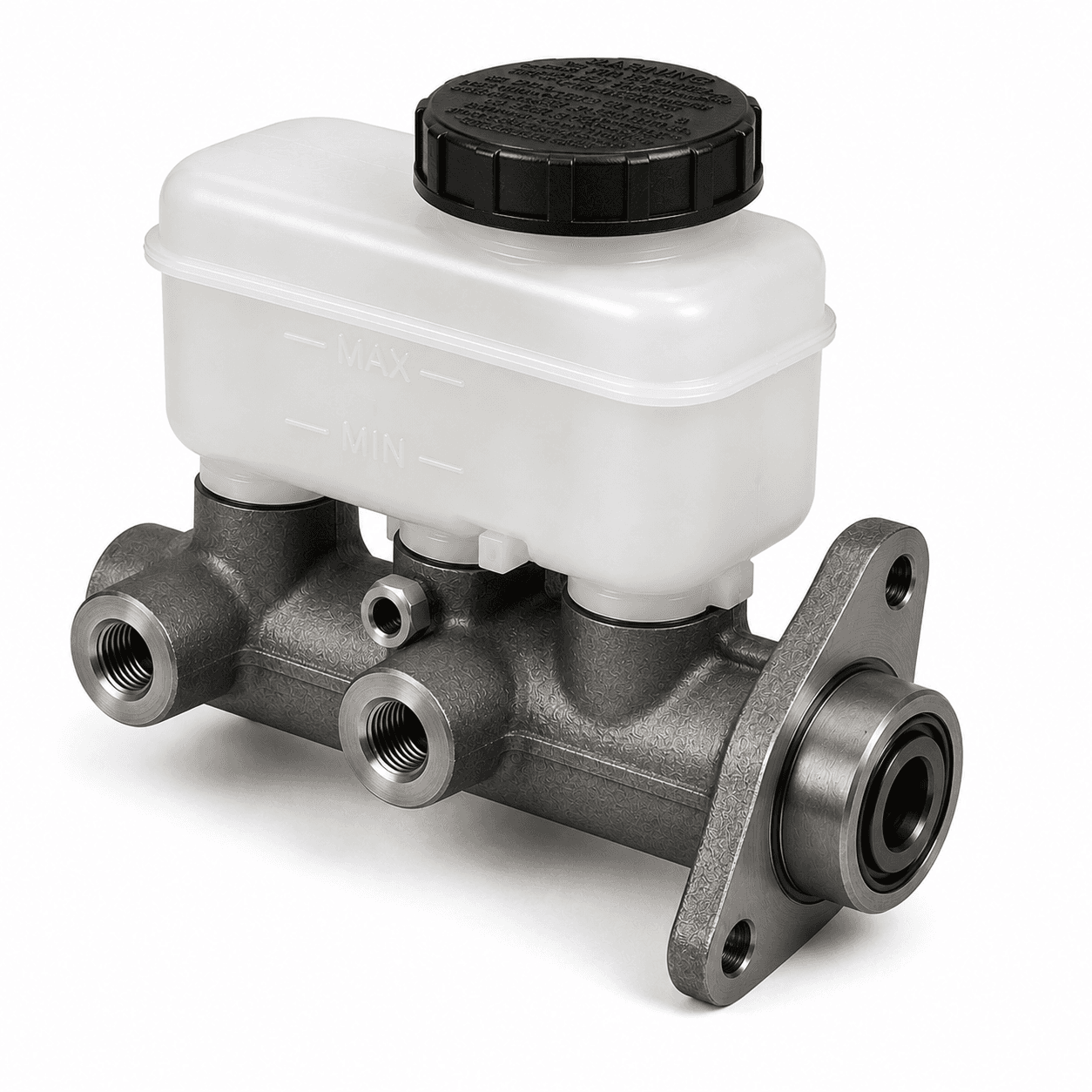
A brake booster multiplies the force you apply to the brake pedal before transferring it to the master cylinder. The result is less pedal effort and a more comfortable, controlled braking experience. Brake boosters are typically mounted on the driver-side firewall (the wall separating the engine bay from the cabin) where they connect to the brake pedal pushrod on one side and the master cylinder on the other. This guide covers how brake boosters work, indications of a failing brake booster, the different boost types available, and how to pick the right one for your vehicle/applicaiton.
How Brake Boosters Work
Vacuum brake boosters are the most common type of brake booster. The booster is divided into two chambers by a flexible internal diaphragm. When the brake pedal is depressed, the pressure differential between the two sides of the diaphragm multiplies the braking force.

In its resting state, engine vacuum is applied to both sides of the internal diaphragm, creating a balanced low-pressure environment. When you press the brake pedal, the valve piston moves to block the vacuum source while simultaneously opening a path for high-pressure atmospheric air to rush into the right side of the booster. The resulting pressure difference creates a powerful force that pushes the diaphragm forward, multiplying your foot's effort by 3 - 4x to help stop the vehicle. Once you release the pedal, the piston slides back to seal off the outside air and reopen the vacuum channel, allowing the engine to suck out the remaining air and reset the booster for the next use.