
Buyer's Guide: Brake Pedal
4 min read
RideBuilder
Brake Pedal Buyer's Guide
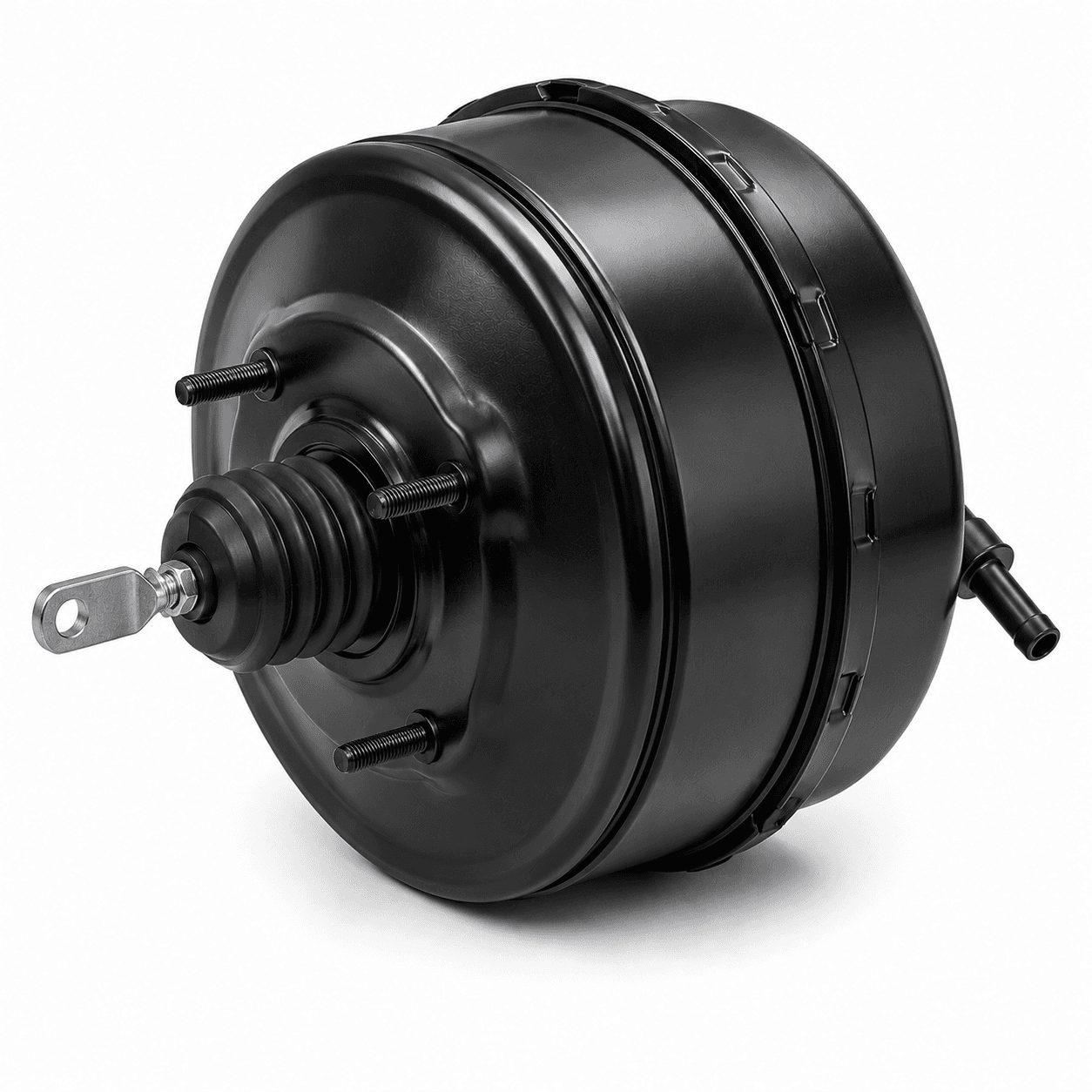
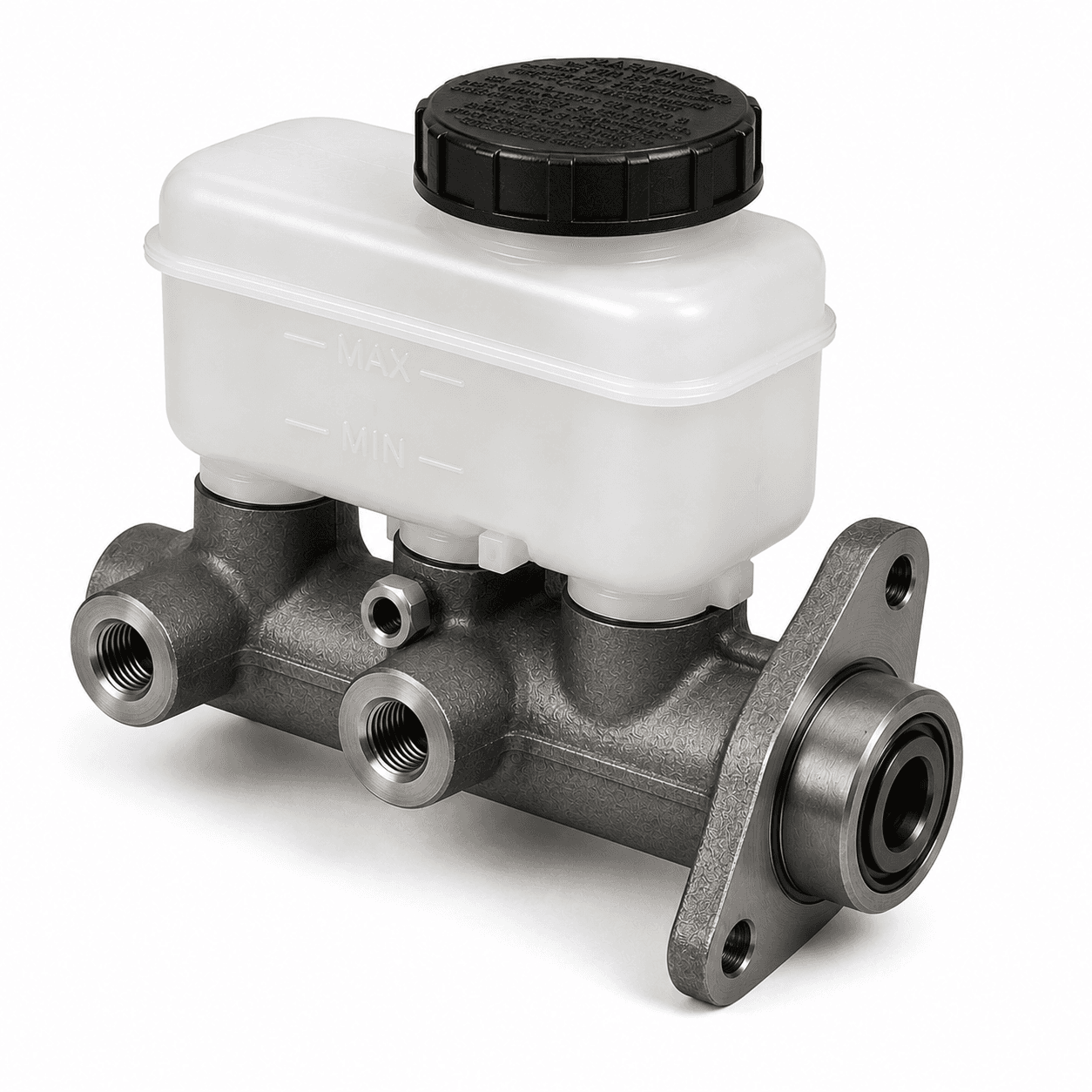
The brake pedal is the driver's interface with the braking system. It acts as a lever, multiplying the force from your foot and transferring it to the rest of the brake system through a pushrod. The brake pedal pushes on the brake booster, or the master cylinder if there is no brake booster present. The brake pedal assembly is completed by a return spring that brings the pedal back to its resting place and a brake light sensor (typically located near the top of the pedal assembly) to detect when the pedal is depressed. This guide covers when to consider upgrading your brake pedal, how pedal ratio affects feel and effort, and what specifications to look for when shopping.
When to Change Your Brake Pedal
For most vehicles, the OEM pedal is adequate and replacing it unnecessary. Upgrading makes sense when:
-
You have removed or replaced your brake booster: Eliminating the booster changes the force required to actuate the brakes. A higher pedal ratio is typically needed to compensate. See the Pedal Ratio section below.
-
You are modifying your master cylinder: Changes to the master cylinder bore size affects how the pedal feels and may require a different pedal ratio to restore the desired feel.