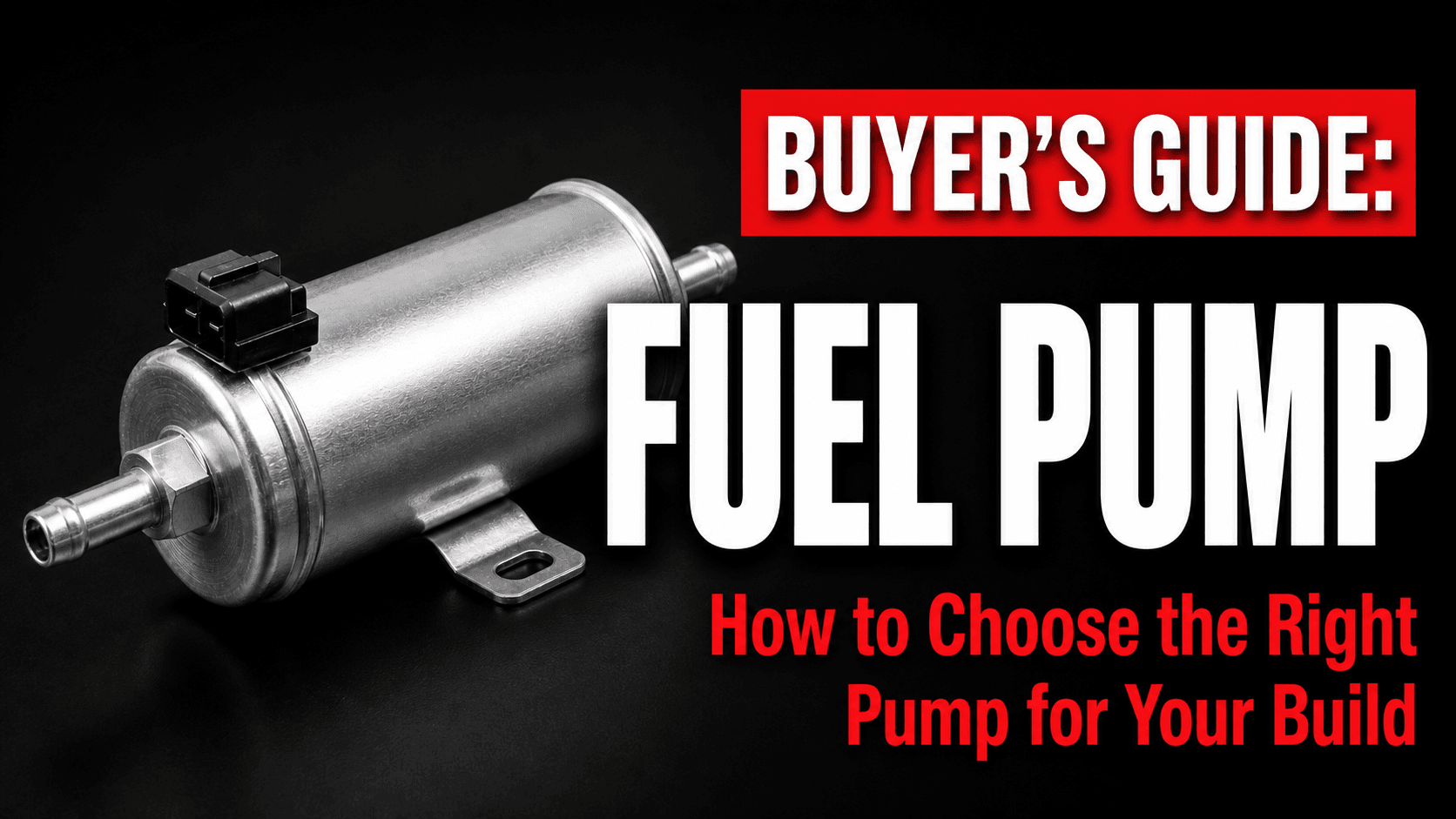

Buyer's Guide: Fuel Filters
3 min read
RideBuilder
Fuel Filter Buyer's Guide
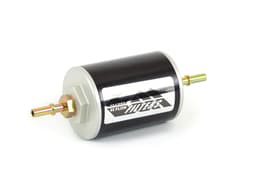
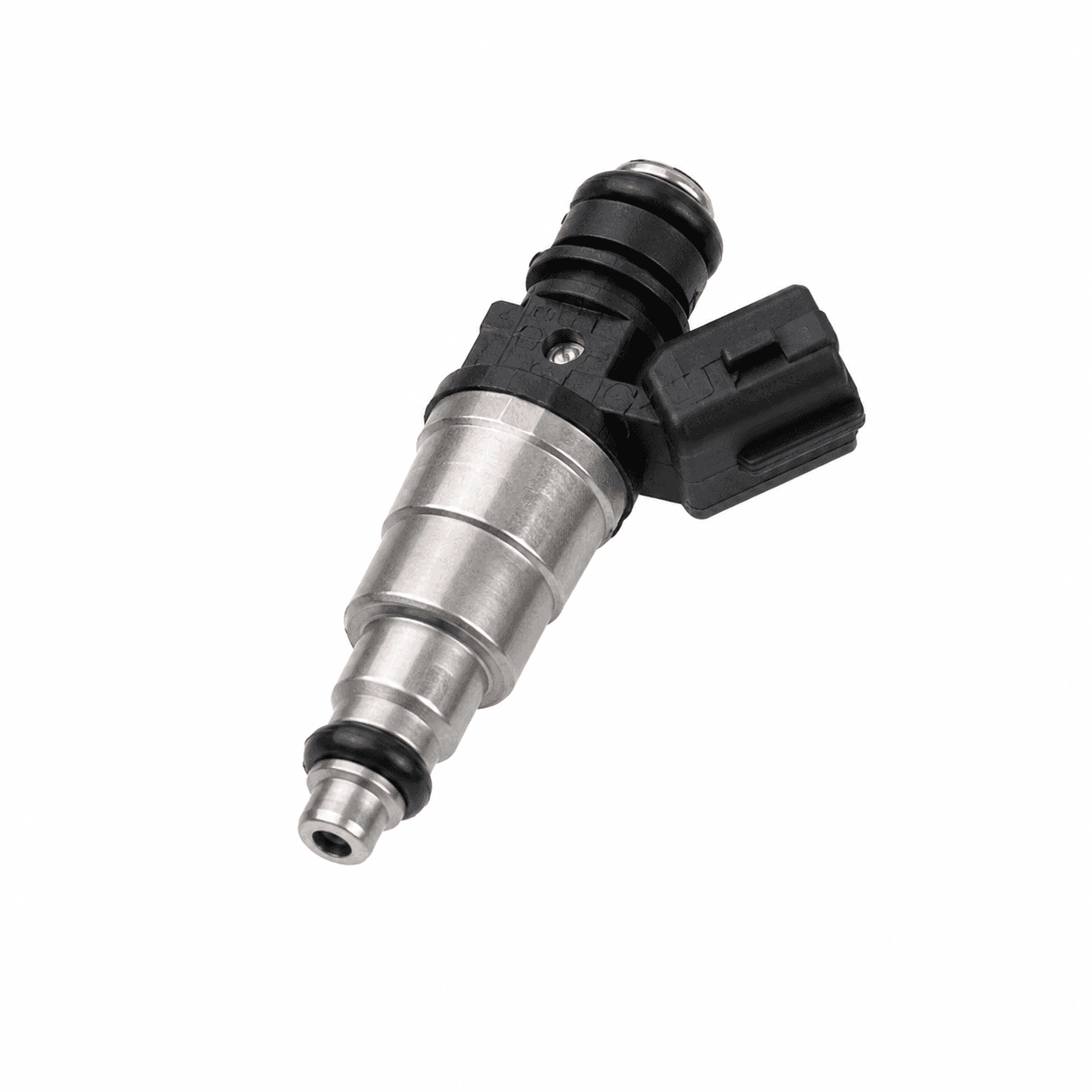
Fuel filters are used to prevent debris from reaching your injectors/carburetor. They trap contaminants such as dirt, rust, and other debris that would otherwise clog the fuel system, preventing proper fuel delivery. Vehicles commonly have two fuel filters: a pre-pump filter and a post-pump filter.
Pre-Pump Filter
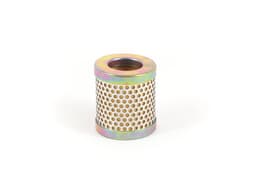
The pre-pump filter is located between the fuel tank and the fuel pump inlet. Its primary role is to protect the fuel pump's internal gears from large debris while remaining porous enough to avoid putting strain on the fuel pump. Pre-pump filters usually are in the 75-150 micron range, with 100 micron being the most common choice. For vehicles using an in-tank fuel pump, this filter is a fuel sock or mat attached directly to the pump. For external (inline) pump setups, a dedicated canister filter is placed before the pump inlet.
Post-Pump Filter
The post-pump filter is installed after the pump but before the fuel rail or carburetor. This stage provides much finer filtration to protect sensitive engine-side components. The required micron rating for this filter depends entirely on your fuel delivery method:
- Electronic Fuel Injection (EFI): Requires the finest filtration, typically 10 microns. High-pressure injectors have microscopic orifices that are easily clogged by tiny particles.
- Carbureted Systems: Generally require 40 microns. Because carburetors operate at much lower pressures and have larger internal passages, they can tolerate slightly more particulate than EFI systems.
Inlet/Outlet Connections
Before finalizing a filter selection, you must match the filter's housing to your fuel line plumbing. These connections are the most common point of failure if mismatched:
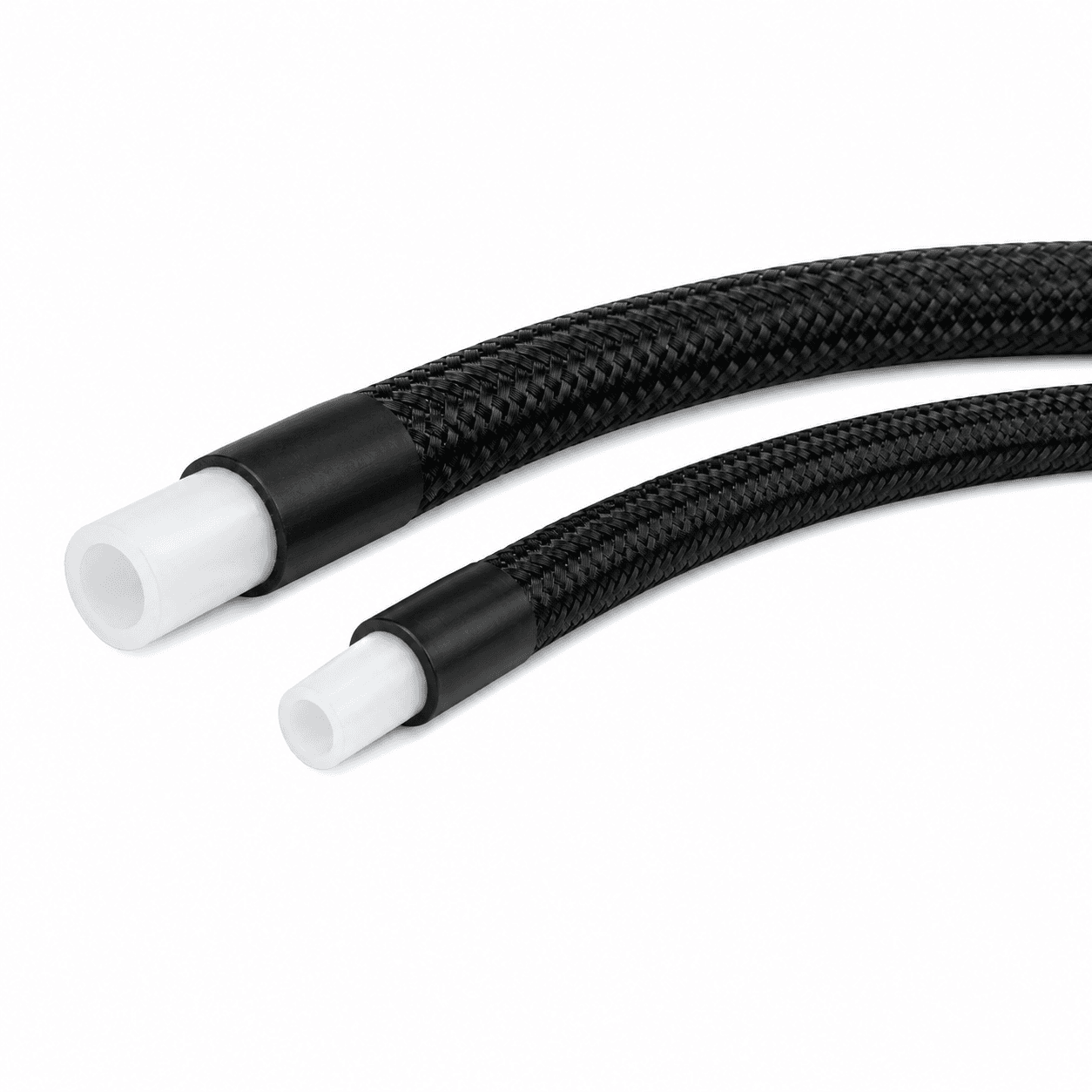
- Connection Type: Filters may feature Male or Female fittings. Common performance standards include AN (Army-Navy) flared fittings (e.g., -6 AN, -8 AN) or NPT (National Pipe Thread). If you want to learn more about fuel lines and fittings, check out the fuel line guide here.
- Sizing: Your fuel line diameter must match the fitting size for your fuel filter to ensure compatibility. If for some reason they are different sizes, reduction fittings can be used to create a proper connection. However, restricting a high-flow system with a small filter fitting can cause a significant pressure drop.
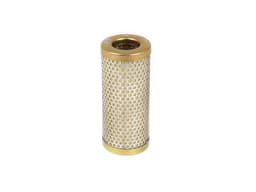
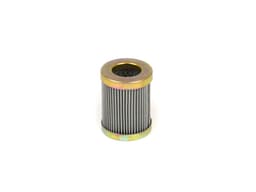
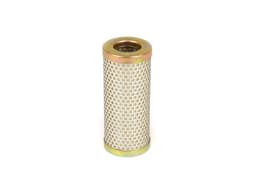
- Fuel Compatibility: Always verify that the filter element and its O-rings are compatible with your fuel type. Standard paper elements may disintegrate if used with E85 or Methanol. For alternative fuels, stainless steel mesh elements are highly recommended.
Conclusion
A reliable fuel system requires a "staged" approach to filtration. Once you have selected your filters, refer to our Fuel Pump Buyer's Guide and Fuel Line Buyer's Guide to complete your system's plumbing. You can find all the parts and resources to plan your build on RideBuilder.