

Buyer's Guide: Fuel Pump
8 min read
RideBuilder
Fuel Pump Buyer's Guide
The fuel pump is the heart of your vehicle's fueling system, responsible for moving fuel from the fuel tank to the engine's injectors or carburetor. Factory fuel pumps are sized according to stock power levels. The moment you increase power, change to alternative fuel, or the system ages beyond its reliable service life, make sure to upgrade your fuel pump to support your engine's new fuel demands. Upgrading your fuel pump helps prevents catastrophic engine lean-out and is a critical step in any performance build. This guide covers everything you need to know to understand when a fuel pump upgrade is necessary, how to correctly size a pump for your application, and what specifications matter so you can hit your horsepower goals.
Why Change Your Fuel Pump?
Before purchasing a pump, it is important to understand why the factory unit may no longer be sufficient for your application.
- Power Upgrades: Stock fuel pumps are sized to support factory power output with a modest reserve. Adding a turbocharger, supercharger, nitrous, an aggressive camshaft increases the volume of air entering the engine. To maintain a safe air-fuel ratio (AFR), the volume of fuel must increase proportionally.
- Fuel Type Conversions: Ethanol-based fuels such as E85 have a lower energy density than gasoline and require significantly more fuel volume to reach their ideal stoichiometric AFR. Engines running E85 typically require approximately 30-40% more fuel flow compared to an equivalent gasoline setup, making a fuel pump upgrade a mandatory step in any ethanol conversion.
- System Modernization: Mechanical fuel pumps on older carbureted vehicles are frequently replaced with electric units when converting to electronic fuel injection (EFI). This is because electric pumps are capable of providing the higher fuel pressure required for EFI.
- Preventative Maintenance: Fuel pumps are maintenance items. Aging pumps lose efficiency over time as internal components wear. On high mileage vehicles, replacing the fuel pump as preventative maintenance can help unexpected pump failures, making it a wise choice.
How Fuel Pumps Work
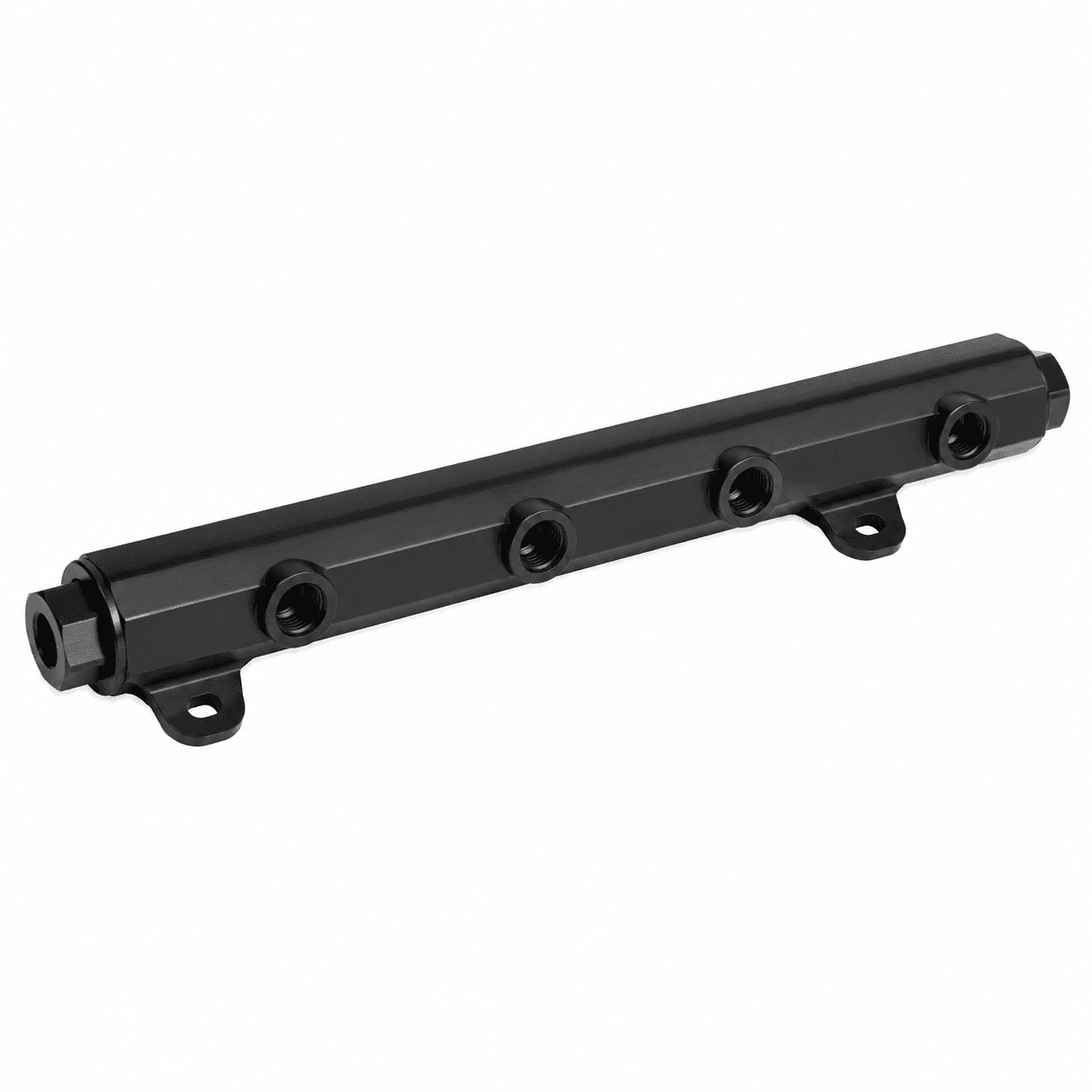
When the ignition is cycled, the ECU signals the fuel pump to prime the system before the engine starts. The pump draws fuel from the tank through a filter, pressurizes it, and delivers it through the chassis fuel lines to the fuel rail.
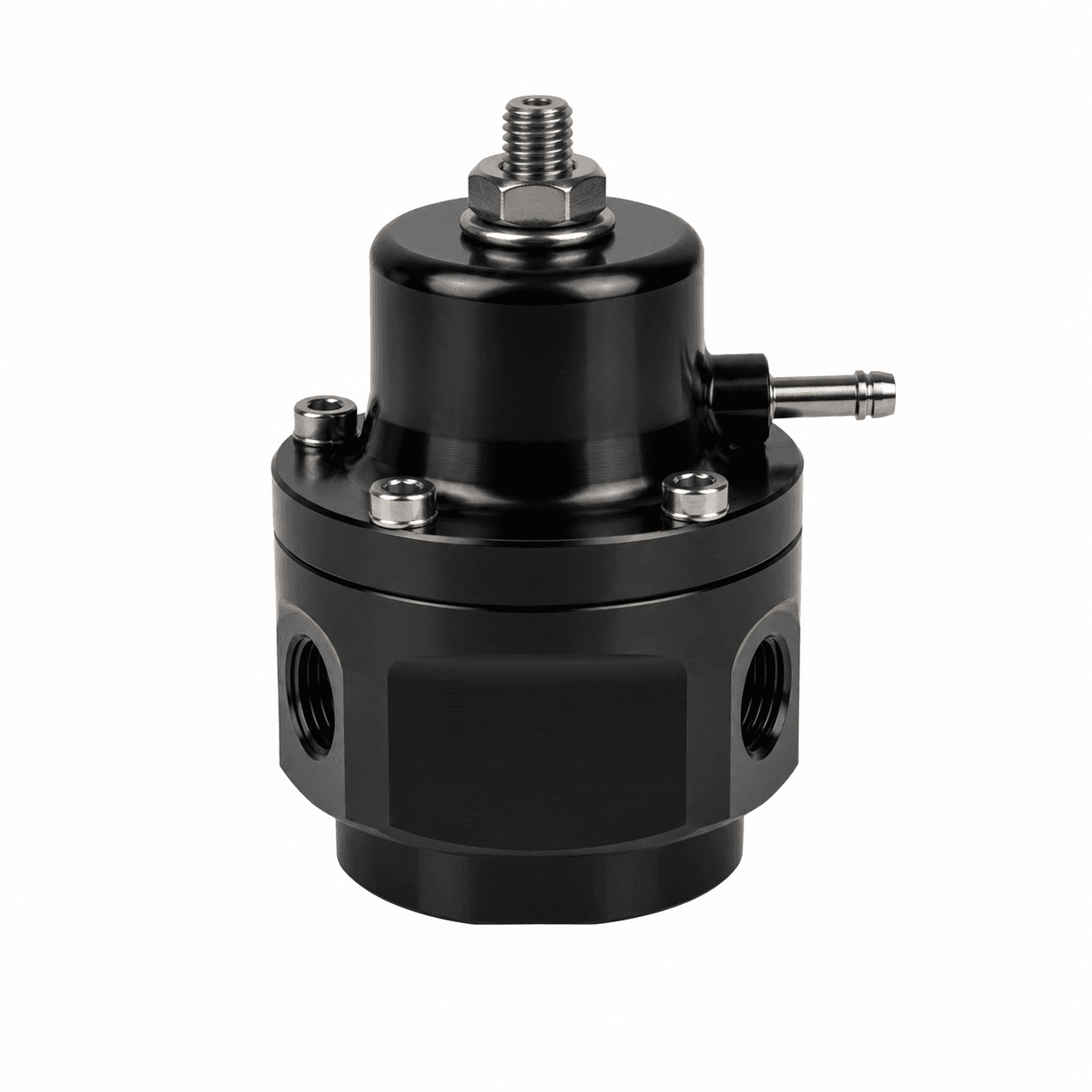
The fuel pressure regulator (FPR) acts as a gatekeeper, ensuring the proper fuel pressure is delivered to your injector/carburetor. In a return-style system, any fuel not used by the injectors is typically sent back to the tank via a return line off the FPR. If you want to learn more about fuel system setup/design, check out our guide here.
Fuel Pump Types
The type of fuel pump determines its performance under varying conditions, how it integrates into your system, and what installation steps it requires.
- In-Tank Electric Pumps: The most common pump type in modern vehicles. The pump lives inside the fuel tank, submerged in fuel. In-tank electric pumps run cooler, quieter, and offer longer service lives. They are available in a wide range of flow ratings are suitable for applications ranging from mild street builds to high-horsepower race engines.
- External Electric Pumps: Mounted outside the fuel tank, inline with the chassis fuel line. They are louder than in-tank units and require additional plumbing and mounting hardware. External pumps should be mounted as close to the fuel tank as possible and kept away from heat sources to minimize the risk of vapor lock. External pumps are common in high-performance, race, and custom fabricated applications where an in-tank solution is impractical.
- Mechanical Pumps: Found on older carbureted vehicles. Mechanical pumps are driven directly by the engine via a cam. They operate at lower pressures, typically 4-7 psi, and their output varies with engine speed. Mechanical pumps are not suitable for modern EFI systems, which require consistent high pressure fuel delivery.
Fuel Pump Flow Rate
The most important specification of a fuel pump is its flow rate, expressed in liters per hour (LPH) or gallons per hour (GPH). The flow rate describe the volume of fuel the pump can deliver over time at a given operating pressure.
It is important to note that fuel pumps do not operate a single fixed flow rate. Their output varies based on the operating pressure of the fuel system - as fuel pressure increases, flow rate decreases. For example, the same fuel pump that pumps 60 GPH @ 50 psi might only flow 50 GPH @ 70 psi. This relationship is described by the pump's flow curve, a graph provided by the manufacturer that plots flow rate against operating pressure across the pump's range.
Evaluating a pump's flow curve is particularly important for forced induction applications. Turbocharged and supercharged engines use a fuel pressure regulator that increases fuel pressure in proportion to boost pressure - commonly at 1:1 ratio. At high boost pressure, this significantly increases fuel pressure, reducing pump output. Always verify that your chosen pump can deliver the required flow rate at the elevated pressure your system will see under full boost, not just at its rated base pressure.
Calculating Flow Rate
Use the calculator below to estimate the required minimum flow rate for your fuel pump based on your target crank horsepower. Always add a 20-30% safety margin to the calculated flow requirement to ensure adequate fuel supply under maximum load. Power is always lost when being transferred from the crank to the wheels. To convert wheel horsepower to crank horsepower, account for drivetrain power loss using the following estimates:
- Front-wheel drive (FWD): approximately 10% loss
- Rear-wheel drive (RWD): approximately 15% loss
- All-wheel drive (AWD): approximately 20% loss
Formula: Crank HP = Wheel HP ÷ (1 − drivetrain loss %)
Example: A RWD vehicle targeting 400 wheel HP.
- Crank HP = 400 ÷ (1 − 0.15) = 470 crank HP
Fuel Pump Sizing Calculator
Engine Parameters
Fuel System
Output
Electrical Demand: Voltage & Current
High-flow fuel pumps draw significant electrical current, and the factory wiring on most vehicles is not designed to support the amp draw of a performance pump at full load. Insufficient current delivery leads to voltage drop, causing the pump to reduce output and run hotter, reducing lifespan. If you are upgrading your fuel pump, you likely need to upgrade your fuel pump wiring as well.
System Compatibility
Beyond flow rate and pressure, several additional factors determine whether a fuel pump correctly integrates with your existing fuel system.
Fuel Compatibility: Not all pumps are compatible with all fuel types. Ethanol, methanol, and other alternative fuels can be corrosive to pump internals, seals, and diaphragms that are designed for gasoline only. Always verify that your pump is explicitly rated for your intended fuel type.
Inlet and Outlet Sizing: Fuel pumps are available with various inlet and outlet port sizes, typically ranging from 5/16 inch to 3/8 inch. The inlet and outlet sizing must be compatible with your fuel lines and fittings, or appropriate adapters must be used.
Single vs. Dual Pump Configurations: Very high horsepower applications, typically above 600 to 700 wheel horsepower depending on fuel type, may exceed what a single pump can reliably supply. Dual pump setups use two pumps in parallel to meet the fuel demands of high horsepower engines.
Physical Fitment: In-tank pump replacements must physically fit within the factory fuel pump housing or sending unit assembly. Some high-flow pumps require modifications to the factory housing or the use of a dedicated aftermarket fuel pump hanger assembly to accommodate their larger size.
Legal/Emissions Compliance
Modifying the fuel system can affect emissions compliance and the vehicle's ability to pass inspection. Legality varies by region - always check local rules.
Conclusion
Selecting the right fuel pump is essential to ensuring your engine performs reliably under all conditions. By accurately estimating your fuel demand and choosing a pump that can deliver sufficient flow at your required pressure, you establish a strong foundation for any performance build. Next, confirm compatibility with your fuel type, check inlet and outlet size, and wire it to receive the amperage it needs. Working through all the steps carefully helps you ensure a reliable fuel system that supports your horsepower goals. You can find all the parts you need and plan your build on RideBuilder.