
Buyer's Guide: Fuel Rail
3 min read
RideBuilder
Fuel Rail Buyer's Guide
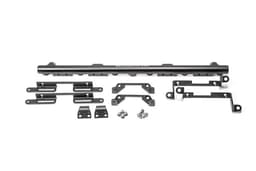
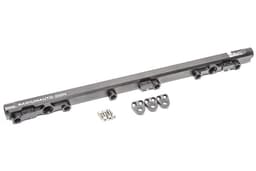
A fuel rail is the pressurized fuel reservoir that supplies your fuel injectors. Modern fuel rails are typically made from aluminum and integrate several fuel components including the:
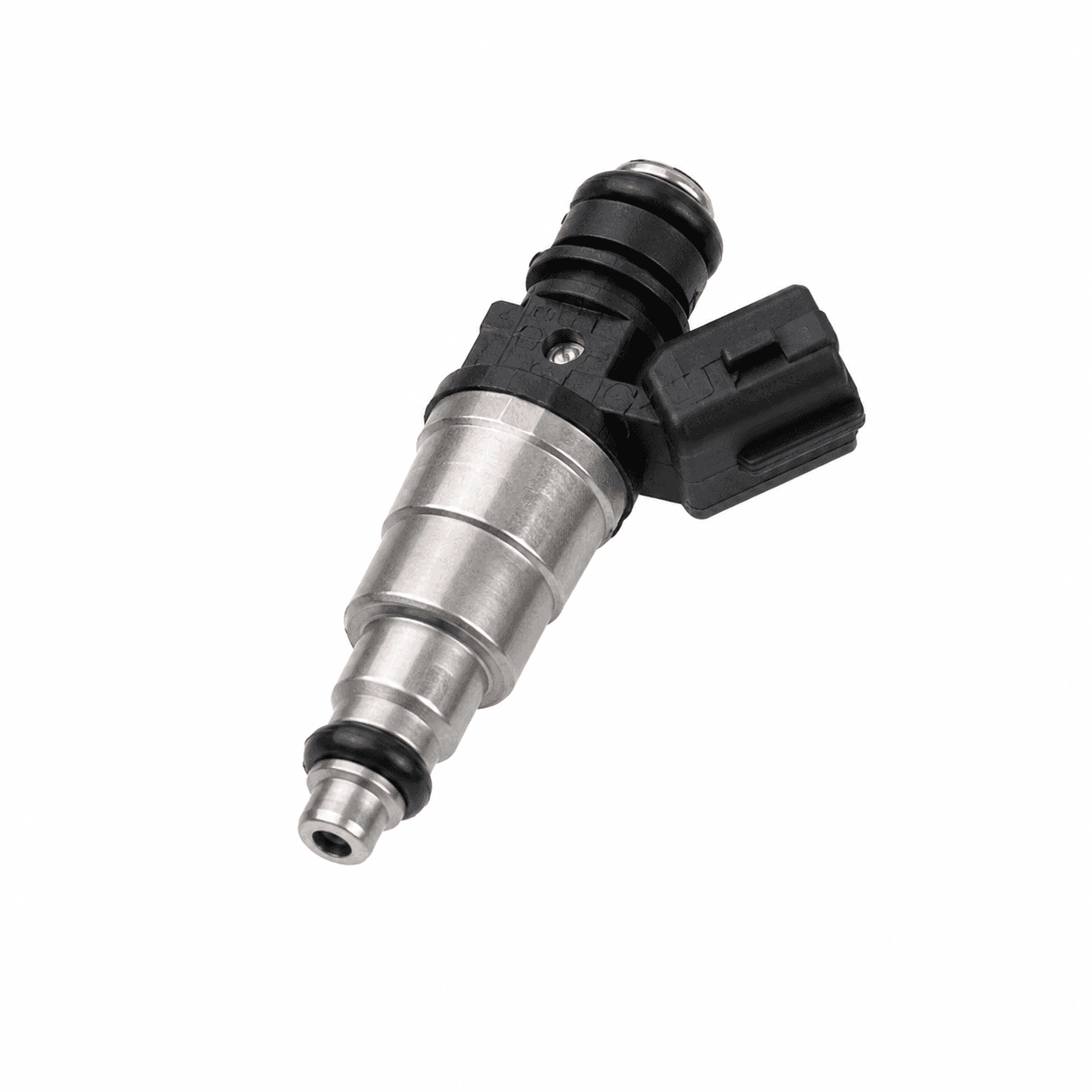
- Fuel injectors
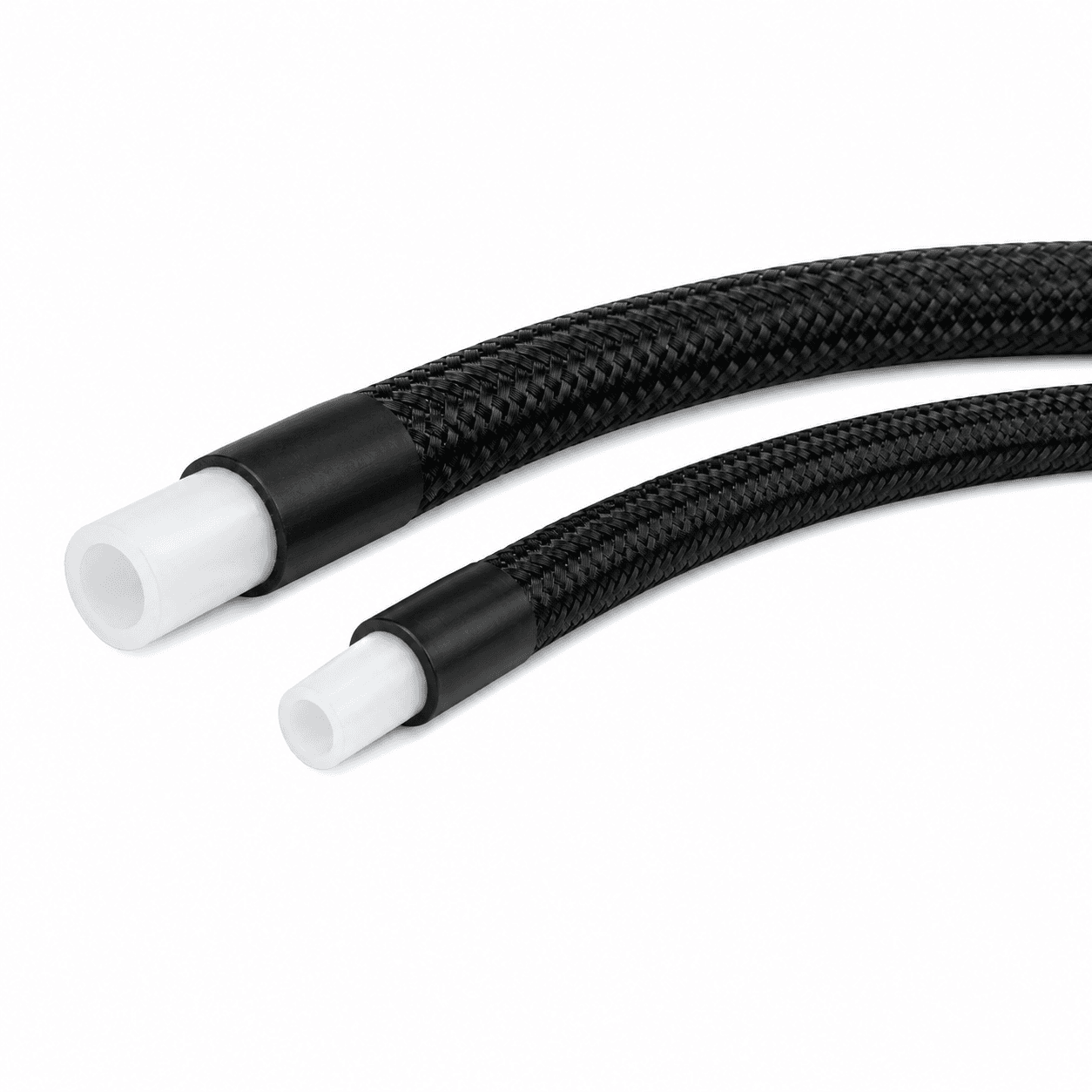
- Fuel Line Connections
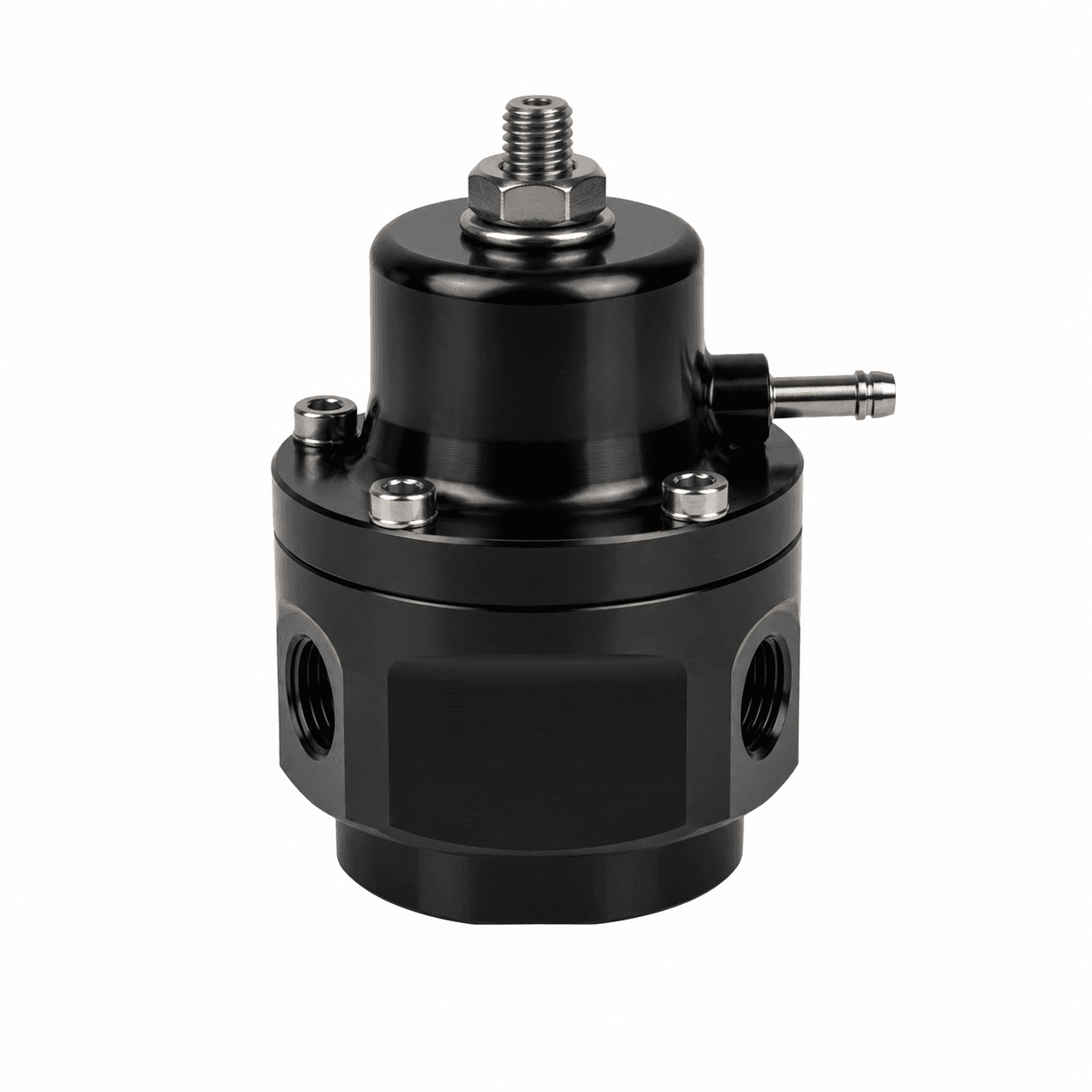
- Fuel Pressure Regulator
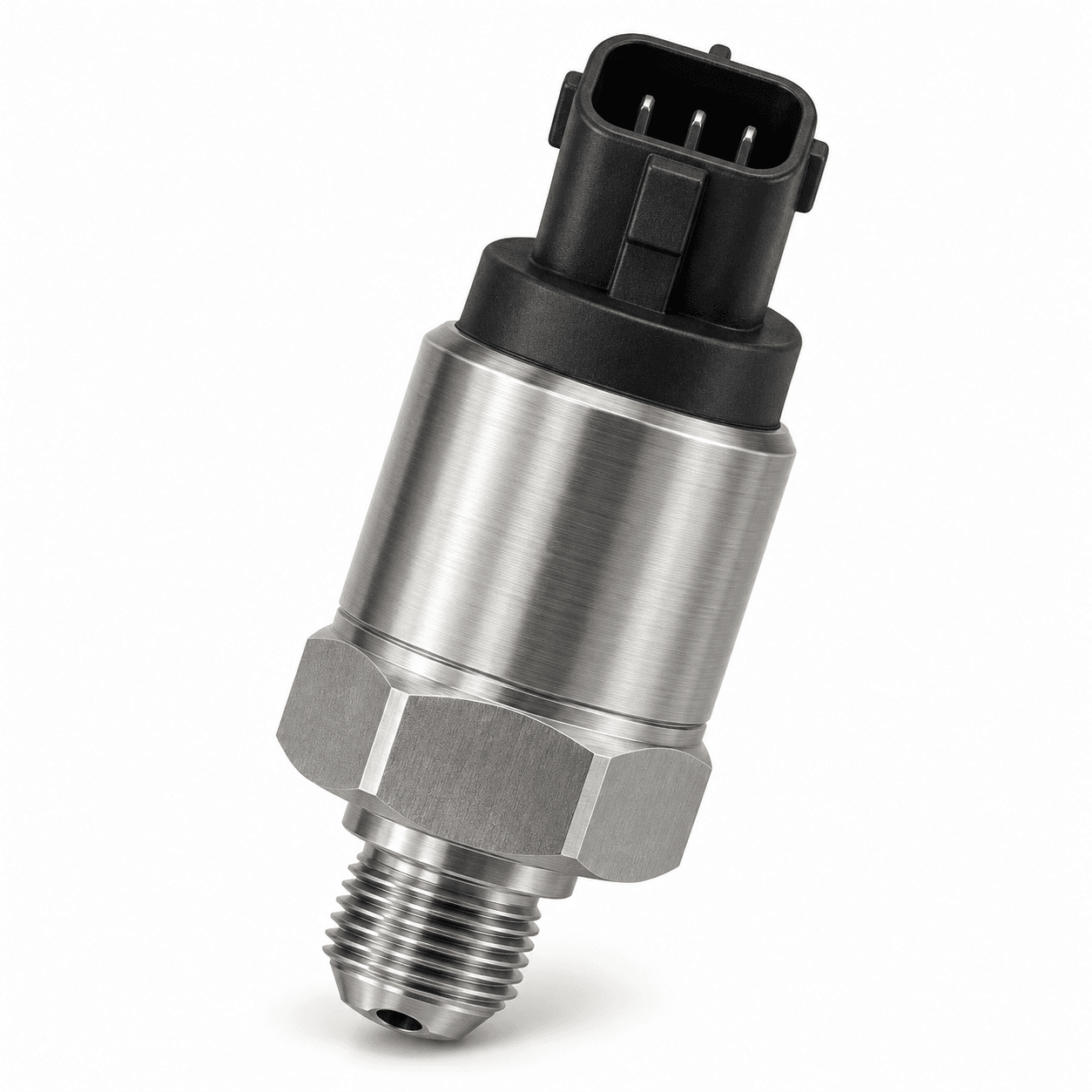
- Fuel Pressure Gauge
- Fuel Pressure Damper (optional)
Why Upgrade Your Fuel Rail
For most street builds, the factory fuel rail flows enough fuel to support the engine's needs. As power increases, however, the stock rail can become a restriction. Common reasons to upgrade include:
- Higher horsepower targets: Aftermarket rails are designed to support significantly increased fuel flow. Read the fuel rail's product description to make sure it supports your horsepower goals.
- Complete fuel system rebuilds: When converting to EFI or rebuilding your fuel system from scratch, an aftermarket rail allows you to get the exact specifications you need.
- Aesthetics: Aftermarket rails are available in a range of colors, finishes, and materials for builds where the engine bay appearance matters.
How to Choose the Right Fuel Rail
Engine Compatibility
When choosing between fuel rails, the most important detail is compatibility with the engine in your vehicle. Fuel rails are designed for specific engine applications. For example, if you have an LS3 engine, buy an LS3 fuel rail. Verify exact fitment before purchasing because even within the same engine family, differences between generations or manifold variants can affect compatibility.
Fuel Rail Inlet Size
The inlet fitting is where your fuel line connects to the rail. You must match the inlet fitting size and type to your fuel lines. Common inlet sizes are AN-6 and AN-8, and common fitting types include AN, NPT, and O-ring. Matching the fitting size and type ensures easily installation and avoids flow restrictions may be caused by adapters. Read more about fuel lines and fittings here.
Note that some fuel rails come with fittings included, while others require them to be purchased separately. Confirm what is included before ordering.
Injector Bore Size
Fuel injectors connect to the rail via an O-ring that seats inside the injector bore. Most fuel rails use either an 11mm or 14mm bore. Your rail's bore must match the upper O-ring diameter of your injectors exactly. A mismatch will prevent a proper seal and cause fuel leaks.
Conclusion
Choosing the right fuel rail comes down to three things: engine compatibility, inlet size, and injector bore. Get all three right and the rest of the installation is straightforward. Once compatibility is confirmed, choose the color, finish, and material that suits your build and desired aesthetics.