Buyer's Guide: Flexible Brake Lines
4 min readRideBuilder
Brake Line Buyer's Guide
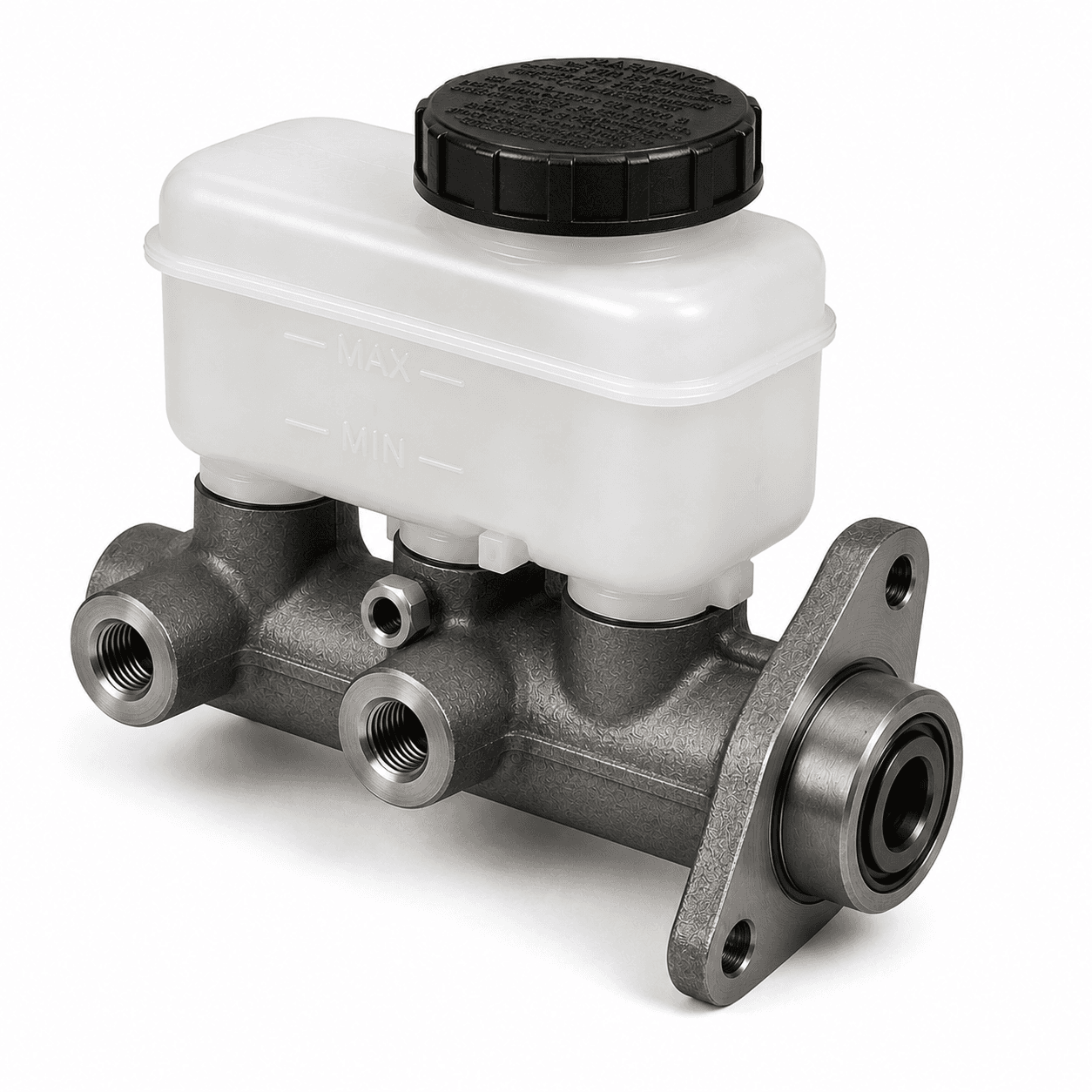
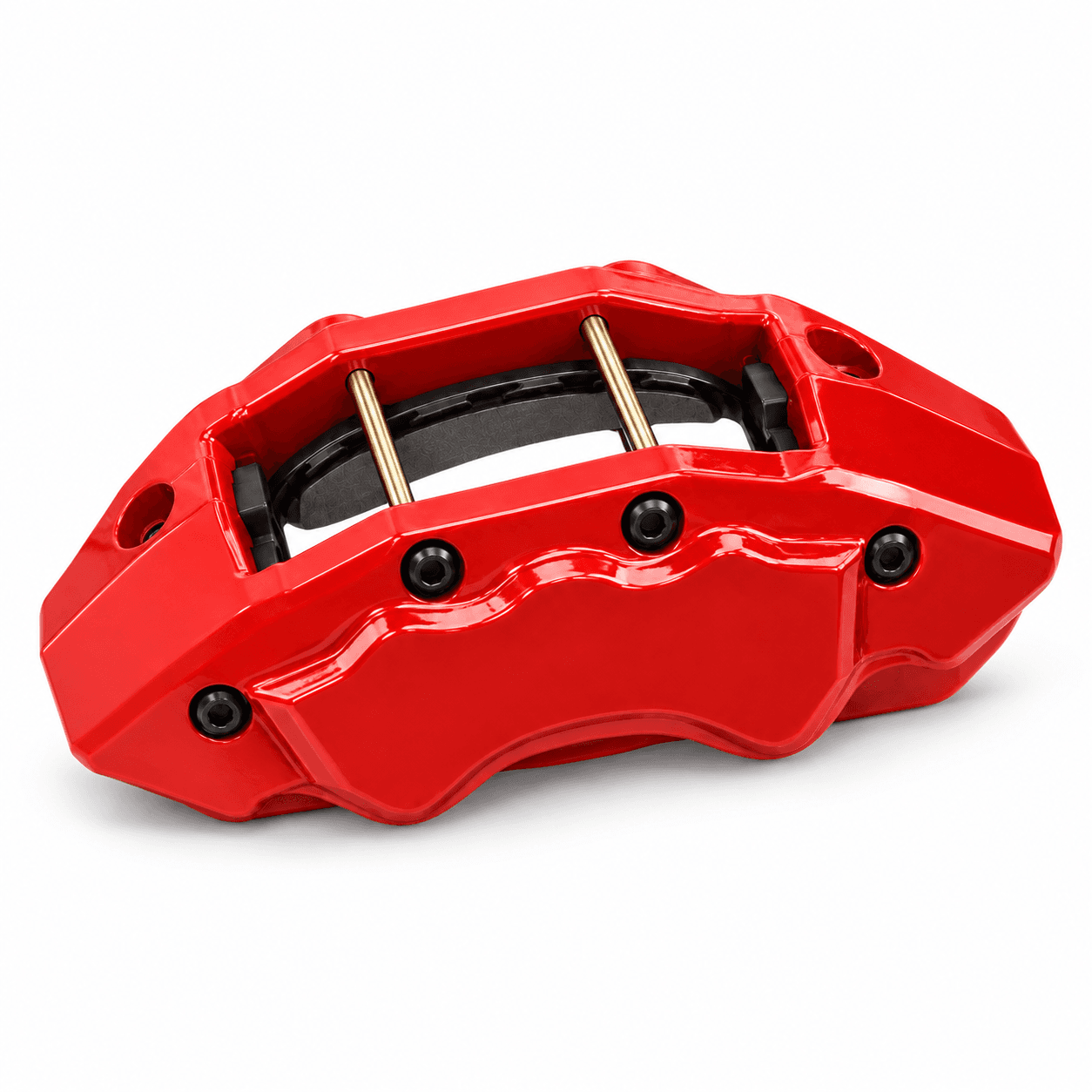
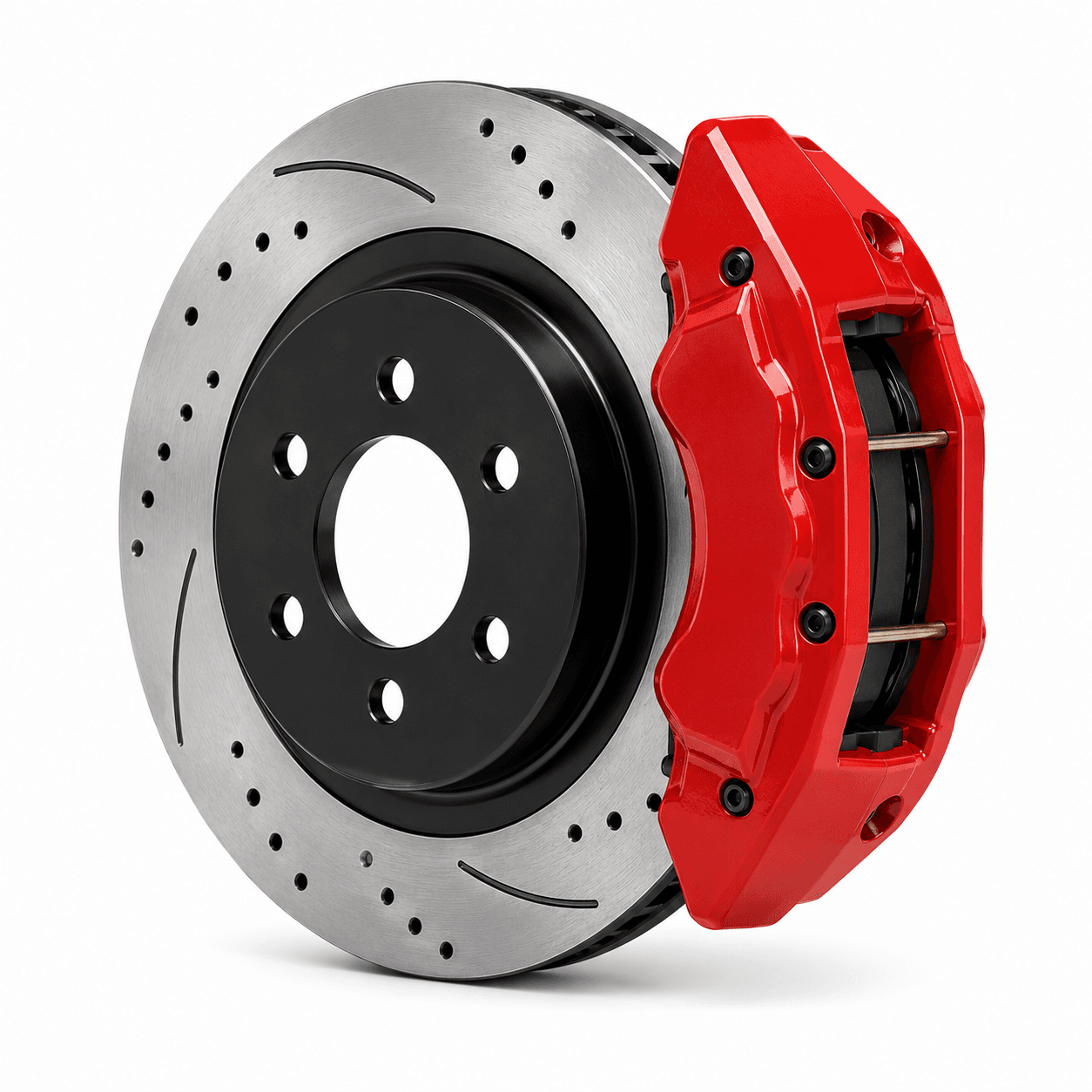
Brake lines connect your master cylinder to your calipers (disc brakes) or wheel cylinders (drum brakes), allowing for the proper transfer of hydraulic pressure. Brake lines come in two forms:
-
Hard lines: Rigid metal tubing that routes hydraulic fluid along the chassis to each wheel well. Hard lines are fixed in place. Read more about hard lines here {{URL}}.
-
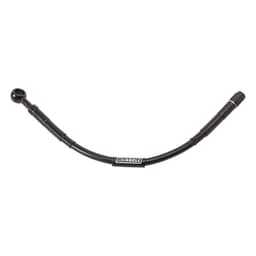
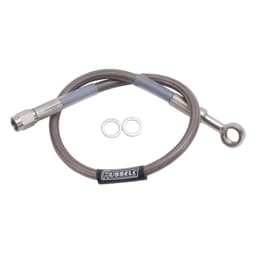
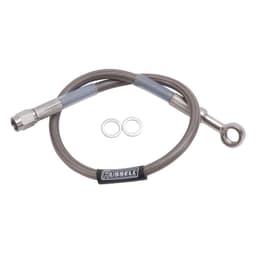
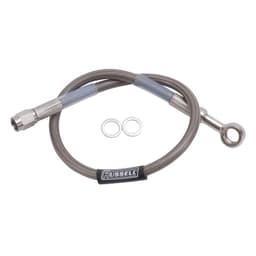
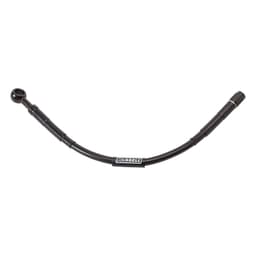
Flexible lines: Short hoses designed to flex with steering and suspension movement. Flexible lines connect your hard lines to your calipers/drums and are located in the wheel well. Commonly made out of rubber from the factory.
Brake lines are critical safety components of your vehicle. If a brake line leaks or otherwise fails, your ability to brake can dramatically drop or be lost entirely. They see high pressure and can live in harsh environments, making material choice critical. This guide walks you through everything you need to know about brake lines so you can pick the right materials for your application.
Why Change Your Brake Lines?
Safety
-
Cracked, swollen, or brittle hoses: Rubber degrades over times, making them brittle and susceptible to cracking under pressure. A typical lifespan of rubber brake lines is approximately 10-15 years but it is important to inspect the condition of your rubber brake lines to determine their health.
-
Wet spots or leakage at connections: Any brake fluid leakage is a safety hazard. Locate and address the source immediately.
-
Spongy pedal after a proper brake bleed: If the system has been properly bled and the pedal is still soft, expanding or deteriorating flexible hoses may be the cause.
Performance
-
You want a firmer, more consistent pedal: Rubber hoses expand slightly under the high pressures of hard braking, which contributes to a soft or inconsistent pedal feel. Stainless steel braided lines resist this expansion, delivering a firmer and more linear pedal response.
-
Tracking your vehicle: Stainless steel lines are more durable, more resistant to abrasion and heat, and provide more consistent performance compared to rubber.
Flexible Line Materials
Rubber
Factory flexible lines are rubber. Rubber lines are largely appropriate for most enthusiasts, especially those sticking to the street.
-
Pros: Inexpensive, fairly durable, and easy to replace.
-
Cons: Degrades over time with heat and UV exposure. Can expand slightly under hard braking, contributing to a spongey pedal feel.
-
Best for: Stock, street, and daily drivers.
Stainless Steel Braided (PTFE Core)
-
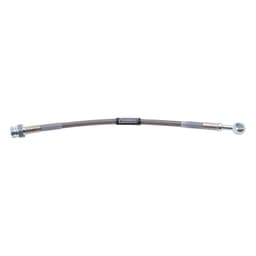
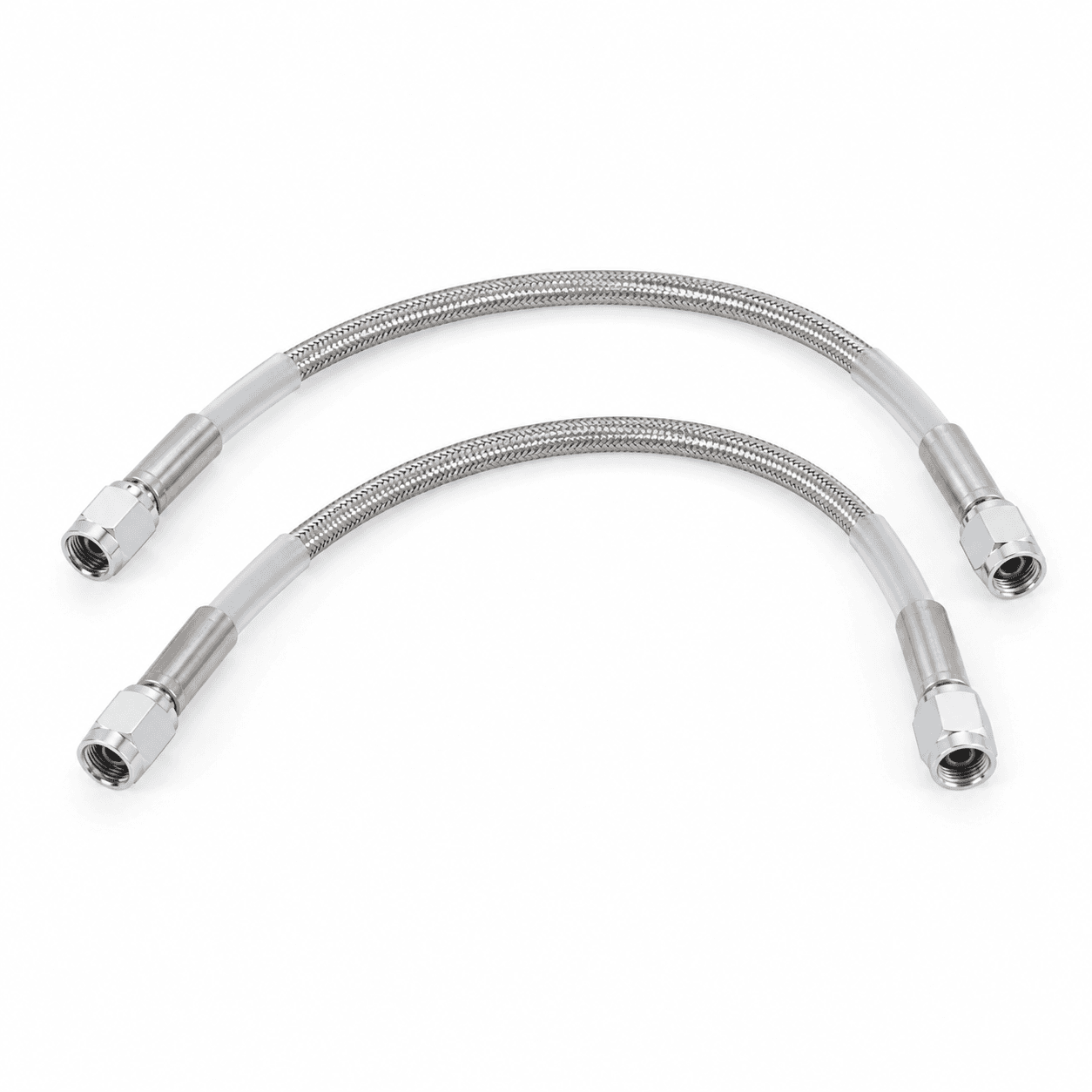
Pros: Firmer, more consistent pedal feel. More durable and longer-lasting than rubber. Resistant to heat and abrasion.
-
Cons: Virtually none beyond cost. Look for lines with a protective outer sleeve or coating to prevent your brake line from trapping debris or rubbing other components and causing damage.
-
Best for: Track use, performance builds, or any application where pedal feel and durability are priorities.
Note: Some stainless steel flexible lines include swivel end fittings, which allow the fitting to rotate during installation and prevent the hose from twisting. Swivel ends significantly simplify installation in tight or angled spaces and can also be purchased separately if your lines don't include them.
Conclusion
For most street vehicles, rubber flexible lines in good condition paired with quality hard lines are entirely adequate. If you want a firmer pedal or are building a performance or track vehicle, stainless steel braided flexible lines are a worthwhile upgrade. No matter what material you choose, make sure to use DOT-approved lines. If you're replacing your hard lines, take your time with routing, flaring, and tightening. Finally, inspect carefully for leaks and bleed the system properly. Done right, your brake lines will deliver consistent and dependable braking for years. You can find all parts you need and plan your build on RideBuilder.