
Buyer's Guide: Carburetor
5 min readRideBuilder
Carburetor Buyer's Guide
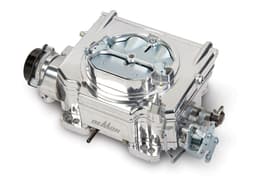
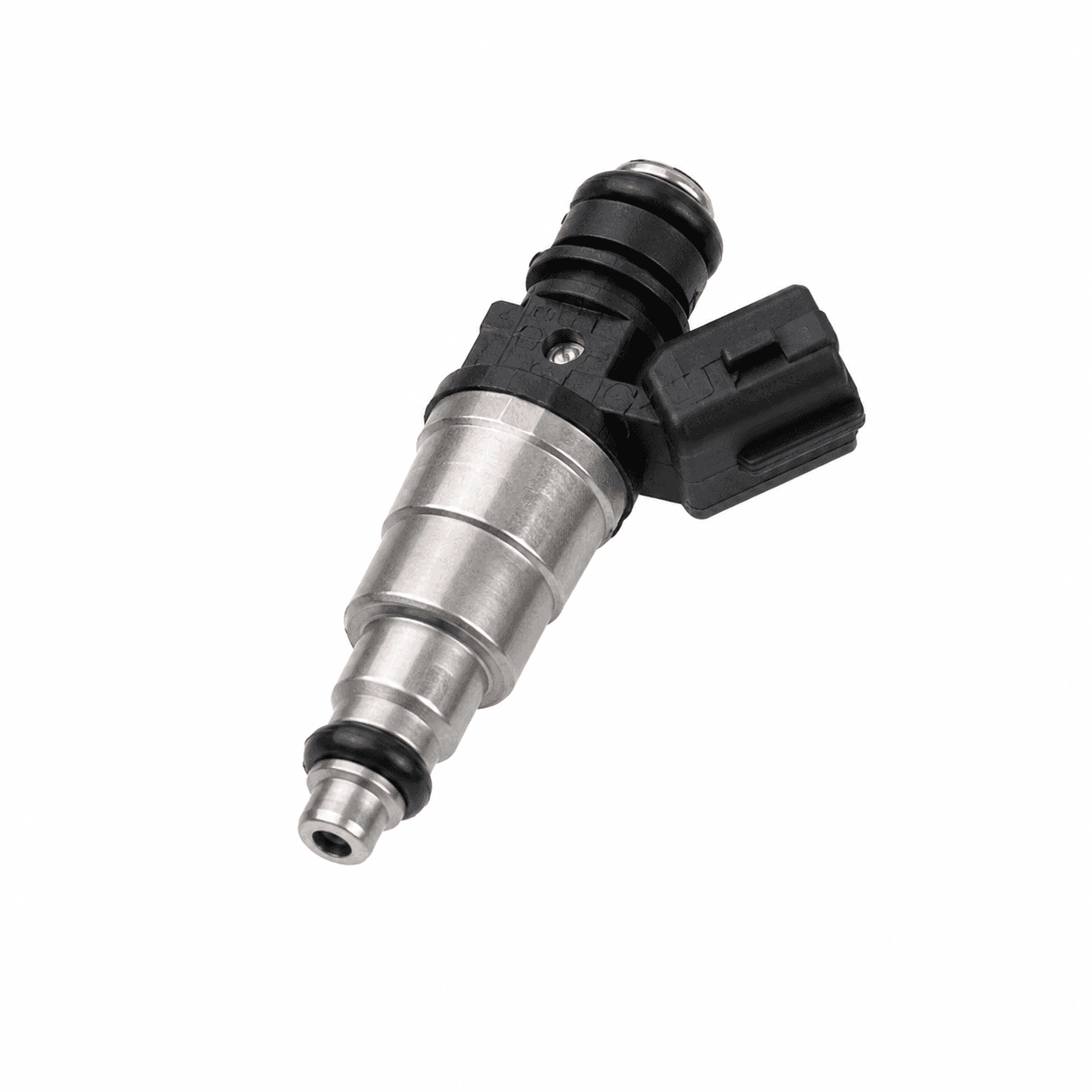
A carburetor mixes air and fuel before sending the mixture into the engine, all without the use of electronics. The carburetor is an entirely mechanical system that leverages the Venturi effect to provide a precise air-fuel mixture to the engine for combustion. Carburetors were used in vehicles until the late 1980s when they were ultimately replaced by electronically controlled fuel injectors. This guide walks you through how carburetors work so you can understand what's going on under the hood (pun intended).
How Carburetors Work
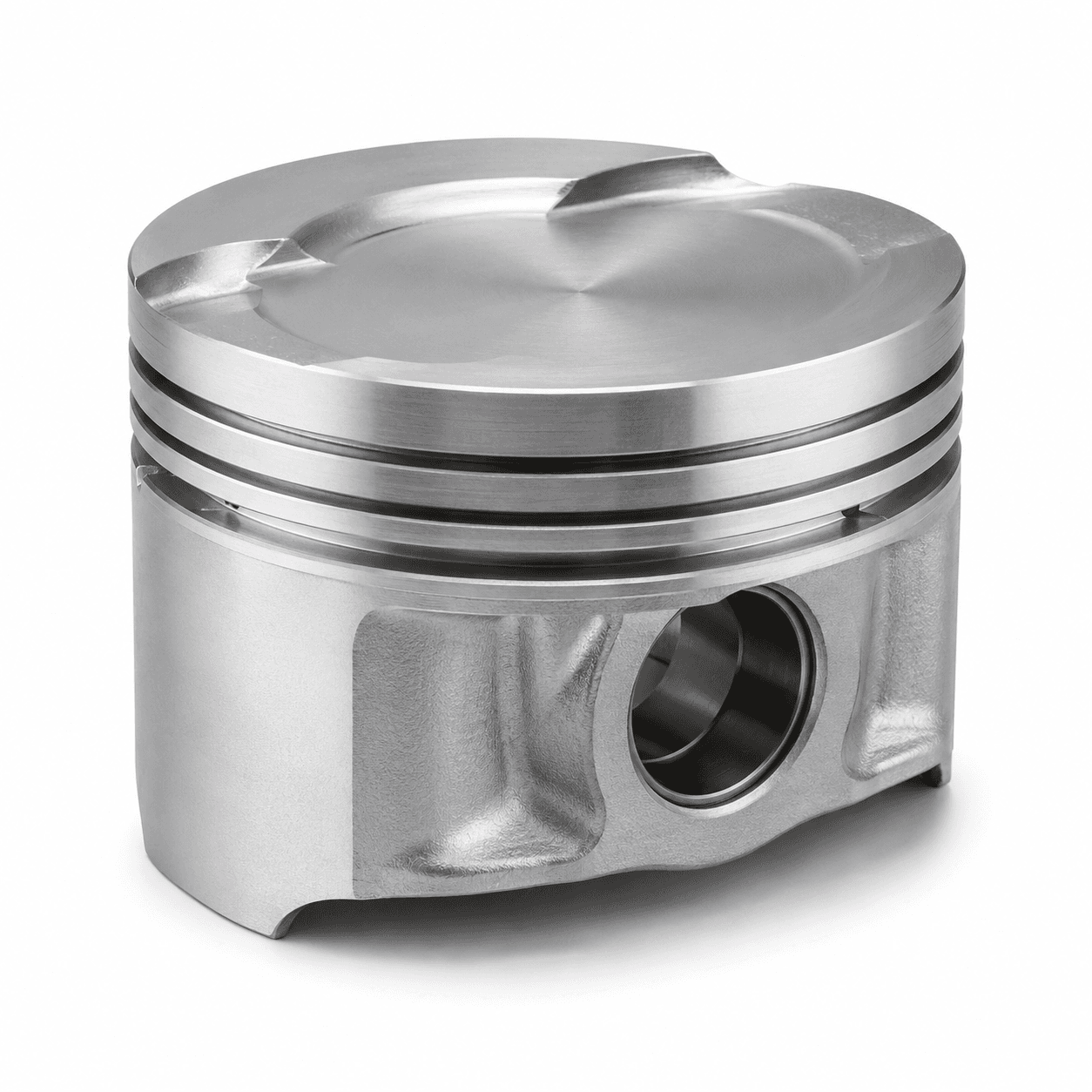
At the heart of the carburetor is the Venturi effect. As the engine's pistons move down, they pull air through the carburetor's throat. This throat features a narrowed pathway called a Venturi. As air enters the Venturi, it is squeezed into a smaller space, causing it to speed up. As air speed increases, its pressure drops, creating a low pressure zone that pulls fuel out of the nearby float chamber and into the airstream. The fuel is instantly atomized into a fine mist, creating the volatile air-fuel mixture required for combustion.

Types of Carburetors
Carburetors are generally categorized by how they orient air and fuel flow:
- Down-Draft: The most common type. Air enters from the top and travels downward into the intake manifold. Gravity assists the fuel delivery, making this design highly efficient.
- Side-Draft (Horizontal): Air enters from the side and travels horizontally. These are frequently used in engines with low hood clearance or in high-performance applications where a straight-shot intake path is desired for maximum airflow.
- Up-Draft: An older design where air enters from the bottom and travels upward. These were common on early 20th-century vehicles but are rarely seen today as they can struggle with fuel puddling in the intake manifold.
Key Components
Float Chamber
The float chamber is a reservoir that holds a constant supply of fuel. Inside is a float connected to a needle valve. As fuel is consumed, the float drops, opening the valve to let more fuel in. Once the reservoir is full, the float rises and plugs the valve, preventing the chamber from overflowing. This maintains a steady, reliable stream of fuel ready to be pulled into the engine.
Throttle Valve & Choke Valve
There are two valves above and below the Venturi that control fuel delivery.
- Throttle Valve: Located below the Venturi, this is linked to your gas pedal. When you step on the gas, the valve opens, allowing more air to pass through the Venturi, which triggers a corresponding increase in fuel delivery.
- Choke Valve: Located at the very top of the carburetor, the choke valve helps during cold starts. When closed, it restricts the incoming air, creating a vacuum that pulls a significantly higher amount of fuel into the engine. This creates a rich mixture that helps start the vehicle. Early choke valves were controlled by the driver and were later replaced by automatic chokes.
Idle Circuit
During idle, the throttle valve is nearly closed, and the air speed through the Venturi is too slow to create the pressure drop needed to draw fuel from the main jet. To keep the engine running, a separate idle circuit bypasses the Venturi, drawing a small amount of fuel directly into the intake manifold. The idle mixture screw allows you to manually adjust the ratio of fuel to air in this circuit to ensure a stable, smooth idle.
Why Enthusiasts Still Choose Carburetors
While EFI is more efficient, many builders choose carburetors for a variety of reasons:
- Mechanical Simplicity: You can diagnose and tune a carburetor with simple hand tools - no laptop or complex wiring harness required.
- Aesthetics: The visual appeal of a polished carburetor atop a V8 intake manifold is iconic and a hallmark of traditional engine building.
- Throttle Response: A well-tuned carburetor provides an immediate, raw mechanical connection between the driver and the engine.
Conclusion
Carburetors fueled the automotive revolution by providing an effective, all-mechanical means of fuel delivery into the internal combustion engine. While EFI is more efficient and has come to dominate the market, understanding how a carburetor works is a fundamental bridge to mastering the history and mechanics of the internal combustion engine. To ensure the rest of your system support your vehicle's fuel demands, refer to our fuel pump guide and fuel line guide to ensure your delivery system is capable of feeding your engine the volume it needs. You can find all the parts you need and plan your build on RideBuilder.