
Buyer's Guide: Air Intake Systems
4 min read
RideBuilder
Air Intake Buyer's Guide
An aftermarket air intake helps your engine breathe better so you can make more power. Stock intake systems are designed to balance noise, cost, and filtration rather than maximize airflow. An aftermarket intake prioritizes flow, allowing more air to reach the engine and supporting higher horsepower. This guide covers how air intakes work, what performance gains to expect, and what to verify before purchasing.
Why Upgrade Your Air Intake
-
Reduced Airflow Restriction: An aftermarket intake with a larger, less restrictive filter increases the volume of air your engine can draw in, directly supporting more power.
-
Cooler Intake Temperatures: Positioning your air filter away from hot components in your engine bay allows the engine to draw in denser, cooler air, increasing maximum power.
-
Improved Throttle Response: Shortening the intake path or straightening the piping can provide a more direct path for air to your engine, improving throttle response.
-
Induction Noise: Cone filters produce an aggressive induction sound as a byproduct of increased airflow, a characteristic many enthusiasts find as appealing as the performance gain itself.
Performance Gains
From a cold air intake alone on a naturally aspirated vehicle, expect somewhere in the range of 5–15 horsepower. Pair your intake with an exhaust, headers, and a tune, and you can see much more meaningful power improvements.
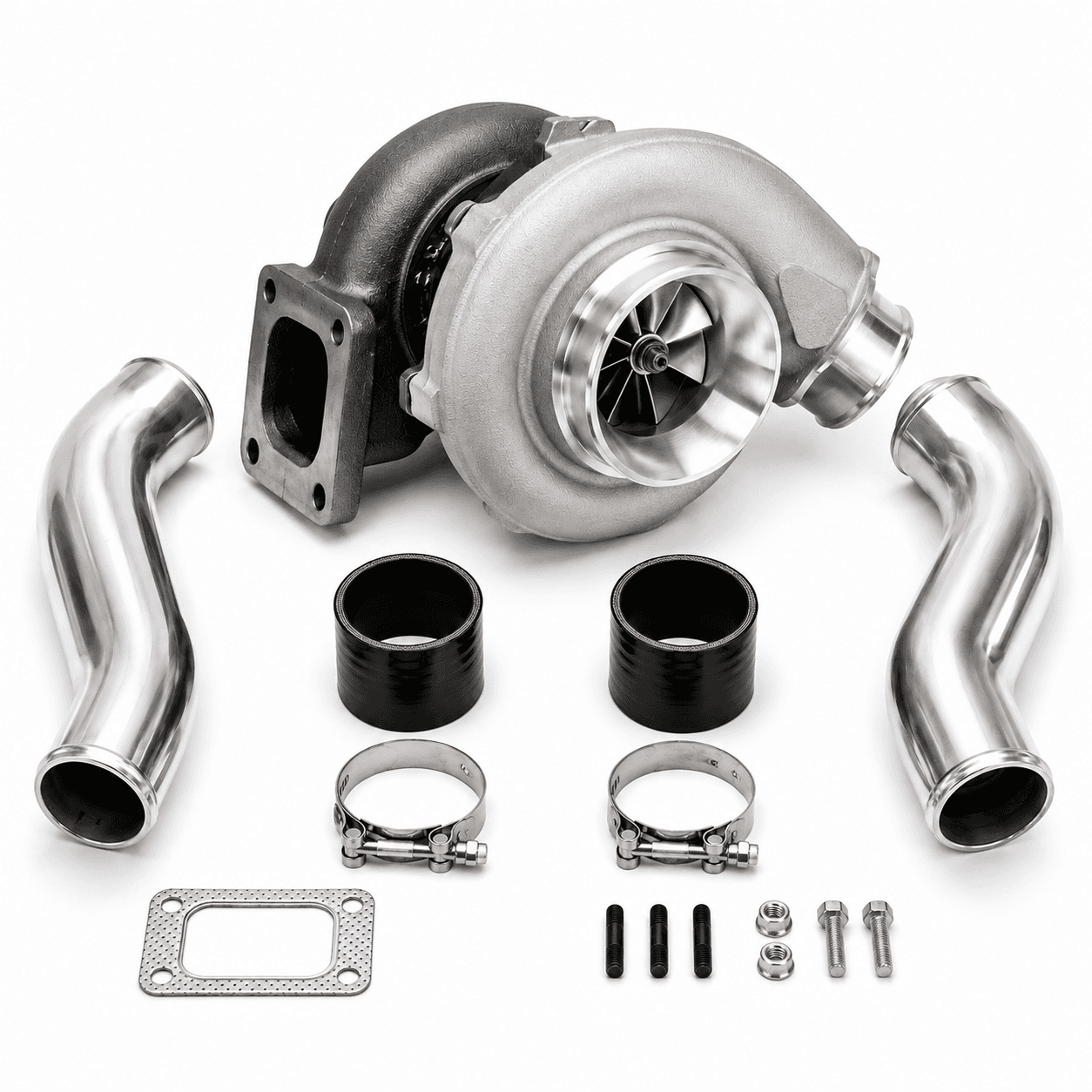
Vehicles with a turbocharger or supercharger typically see greater benefit from intake upgrades compared to naturally aspirated vehicles. This is because a turbocharger or supercharger moves a much larger volume of air than a naturally aspirated engine, so reducing intake restriction has a proportionally larger effect on the power the engine can produce.
Intake Types
Short Ram Intake
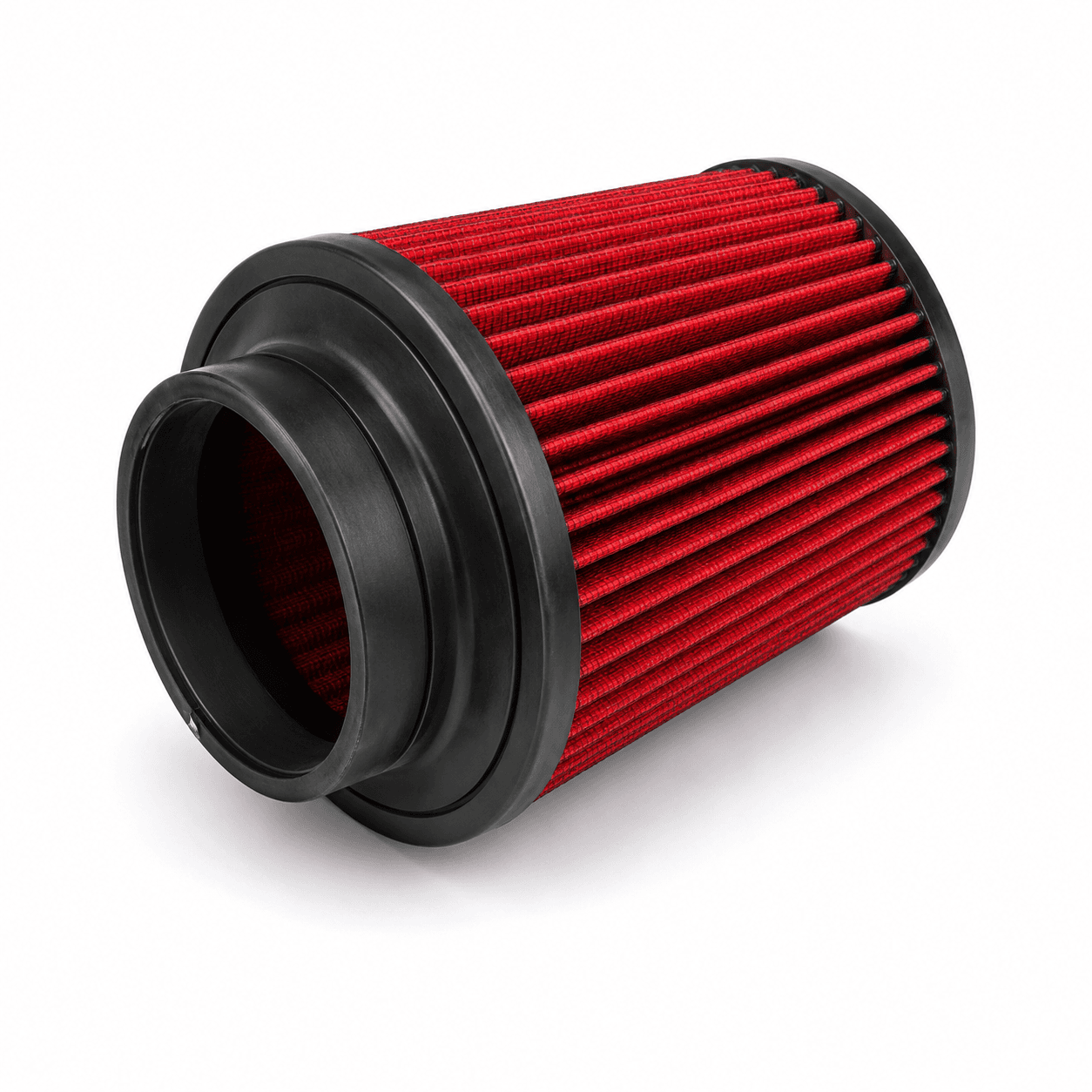
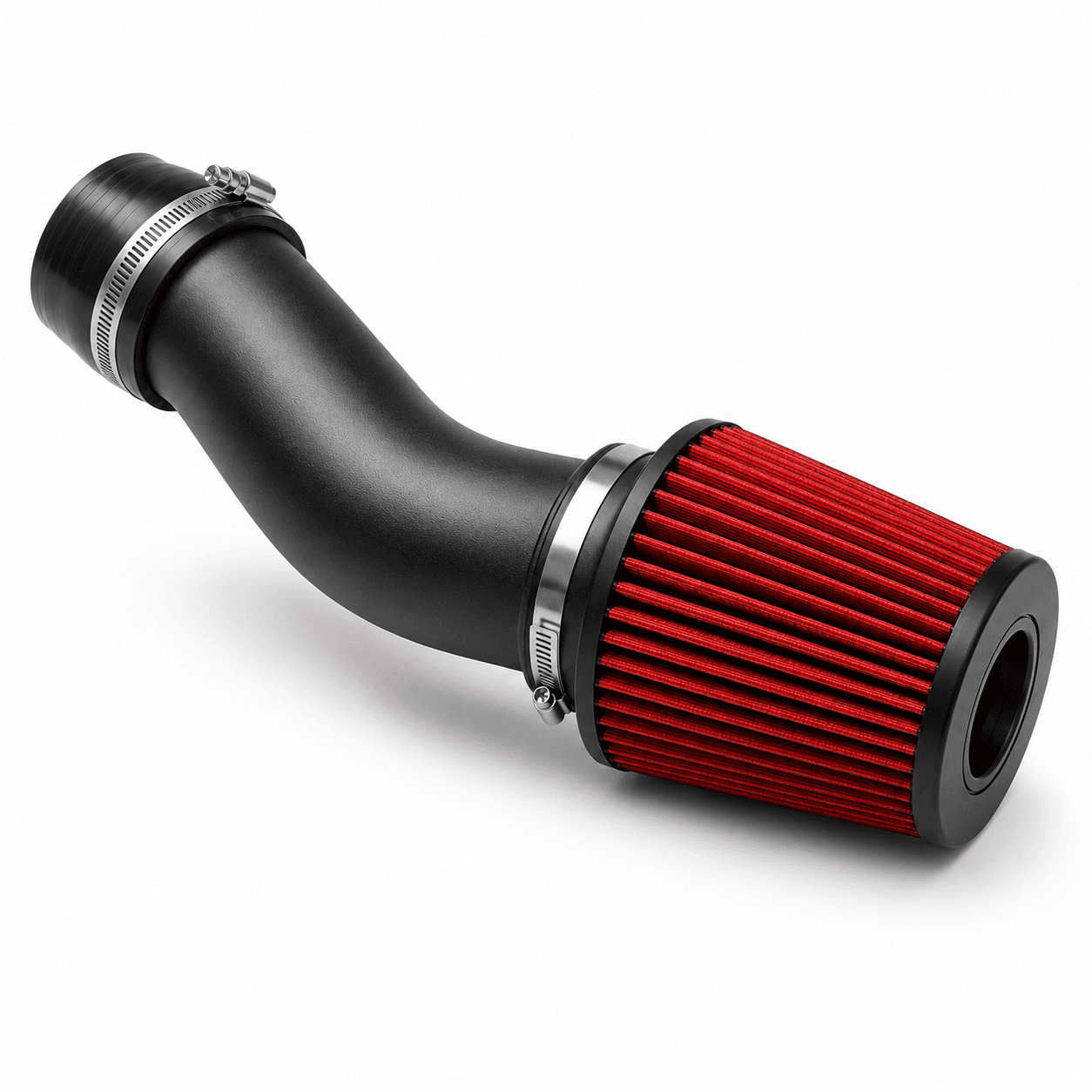
A short ram intake replaces the factory airbox with a cone filter positioned close to the throttle body, providing a short and direct path for air to reach the engine. Short ram intakes are simple, affordable, and easy to install, making them a great choice for tight engine bays and budget builds. The downside of a short ram intake is that they typically draw in warmer air, which reduces maximum power compared to a cold air intake.
Cold Air Intake
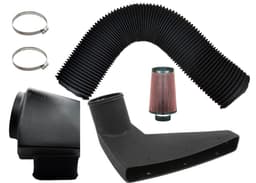
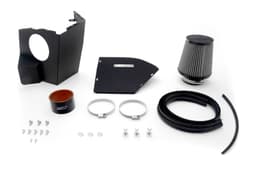
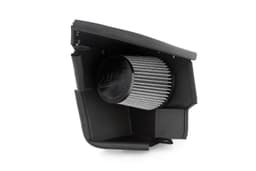
A cold air intake relocates the filter away from hot engine bay components to draw in cooler, denser air. Since cooler air contains more oxygen per volume, this supports more power. Most cold air intakes position the filter within the engine bay but away from heat sources. More serious builds will route the filter into the fender or bumper area to access the coldest possible air. Many cold air intakes include an intake box or heat shield that isolates the filter from engine heat and protects it from debris. Cold air intakes are the preferred choice when chasing maximum performance.
Snorkel
A snorkel relocates the intake point from the engine bay to near the roofline. This provides cooler air and protection against water ingestion when driving through deep water. Snorkels are most common on off-road vehicles and are rarely seen on street or performance builds.
Filter Materials
Different filter materials have different qualities and maintenance requirements. Read our Air Filter Buyer's Guide for a full breakdown.
Compatibility
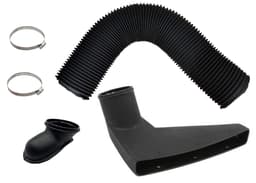
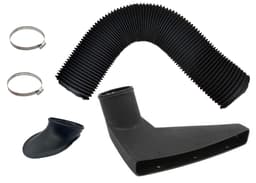
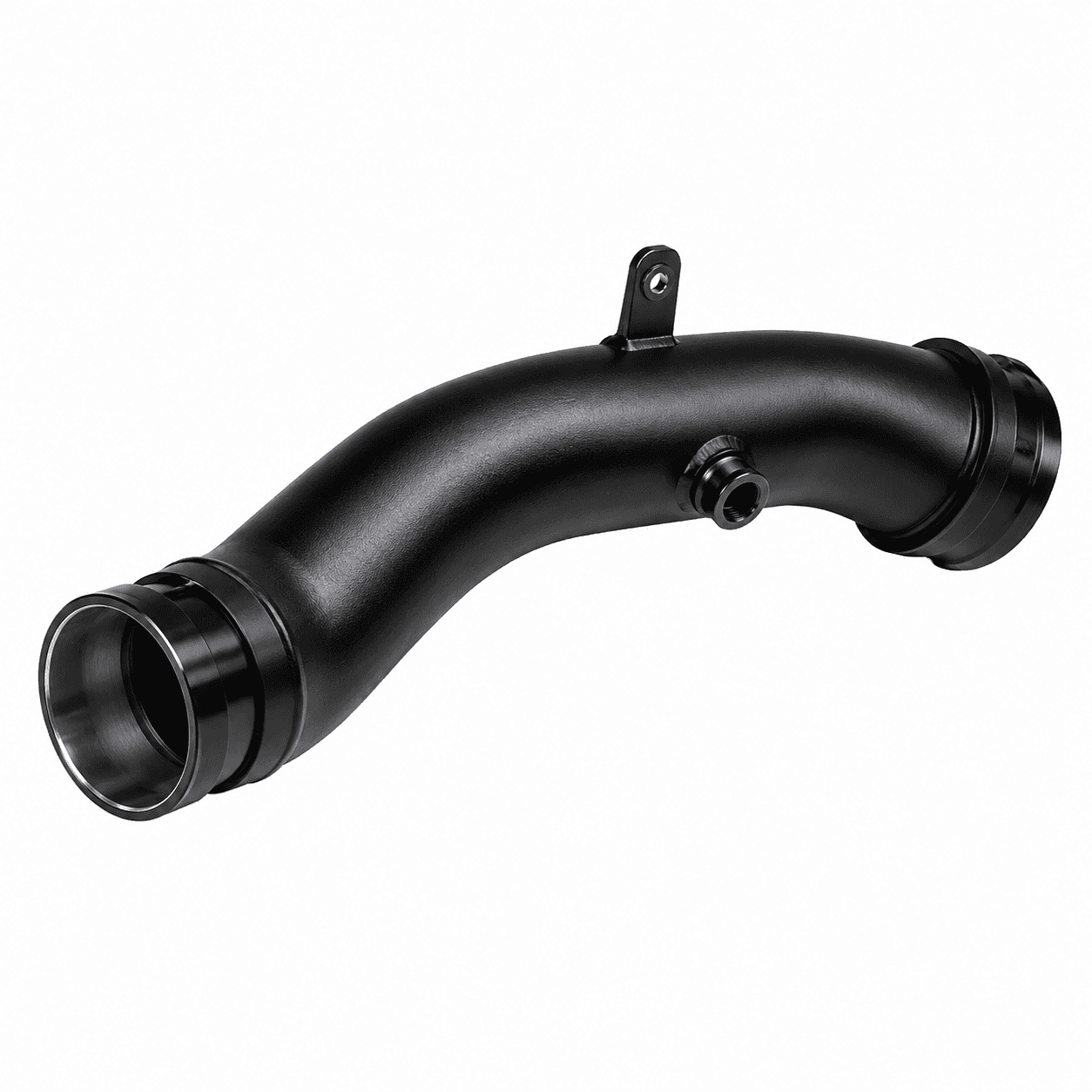
Most aftermarket air intake systems are vehicle specific. Always confirm that your intake fits your specific year, make, model, and trim. If you are sourcing intake piping separately rather than buying a complete kit, plan your routing carefully before purchasing to avoid clearance issues during installation.
Conclusion
An air intake is one of the most accessible performance modifications available. It's straightforward to install, provides meaningful power improvement, and creates a strong foundation for further modifications down the line. For most builds, a cold air intake provides the best balance of performance and value. If budget or engine bay space is a constraint, consider a short ram intake which will deliver improved throttle response. Either way, pairing your intake with an exhaust system and a tune will multiply the gains well beyond what the intake delivers on its own. You can find all the parts you need and plan your build on RideBuilder.