
Buyer's Guide: Boost Controllers
6 min read
RideBuilder
Boost Controller Buyer's Guide
A boost controller is a device that helps improve turbo spool up and provides additional control over boost pressure. Without a boost controller, the wastegate acts alone to regulate boost. By default, the wastegate will bypass exhaust gases before maximum boost pressure is reached, thus increasing turbo lag. A boost controller addresses this by controlling when the wastegate opens, allowing boost to build faster and up to higher levels. A boost controller also allows you to control maximum boost pressure without needing to change wastegate springs. For most builds, a 3 port boost control solenoid is the right option. This guide covers how boost controllers work, the different types available, and how to choose the right one for your setup.
Why Use a Boost Controller?
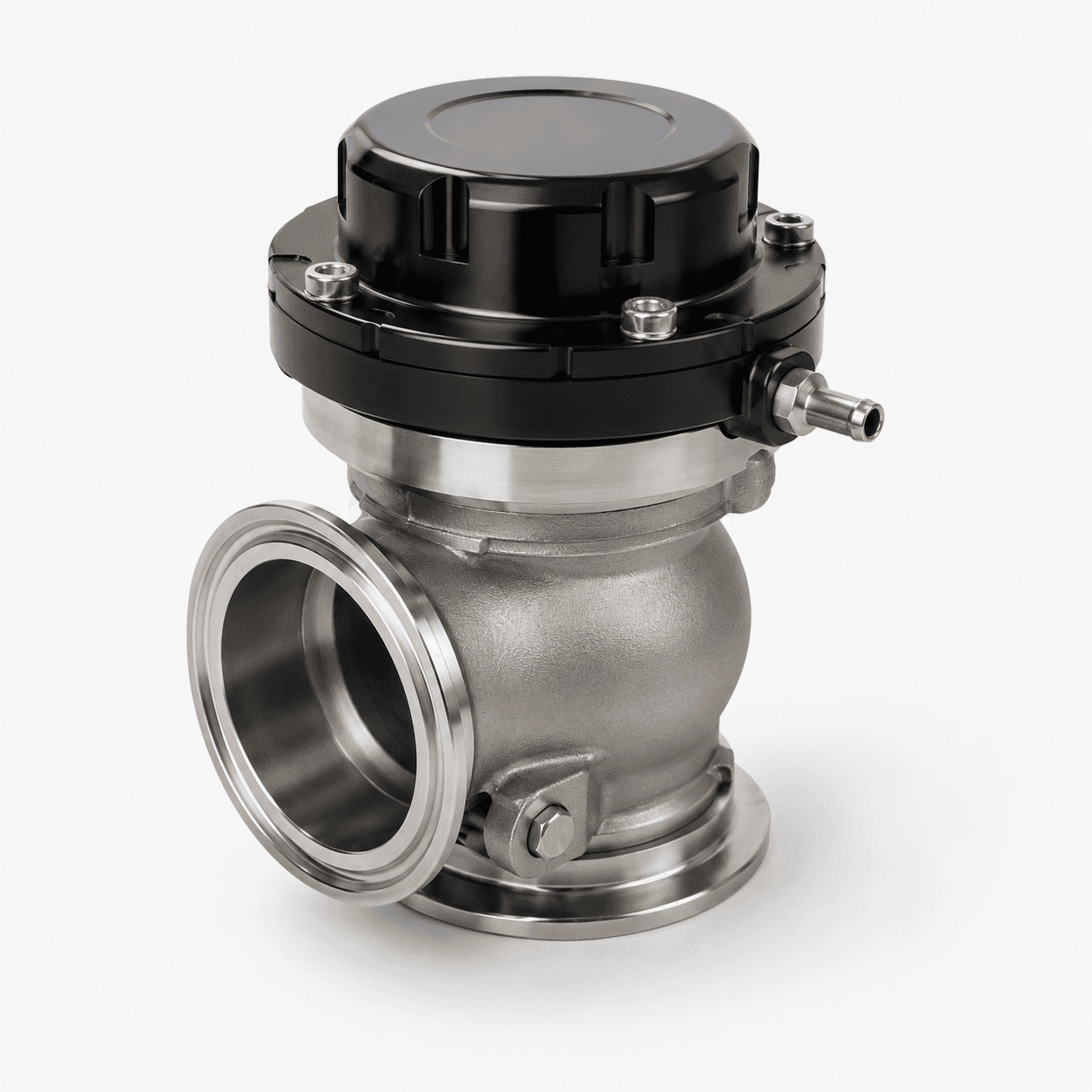
Wastegates regulate boost pressure by bypassing exhaust gases around the turbocharger. They are designed to open when maximum boost pressure is reached. However, in practice, they sit somewhere between fully closed and fully open as boost builds. This means exhaust gases are being bypassed even before maximum boost pressure is reached, ultimately increasing turbo lag.
A boost controller solves this issue by tricking the wastegate into staying closed until the target boost pressure is reached. The exact strategy varies by boost controller type, but the underlying principle stays the same: keep the wastegate shut during spool up so the turbocharger builds boost pressure as quickly and efficiently as possible.
Manual Boost Controllers
Manual boost controllers are the simplest type of boost controller. They use a spring-loaded valve and are installed in-line between the boost source (typically on the compressor outlet) and the wastegate actuator. The boost controller restricts the pressure signal from reaching the wastegate until the boost controller's pressure threshold is met. This allows you to increase boost beyond the wastegate's default spring rate. Boost level is adjusted by turning a knob on the boost controller.
Manual boost controllers are a simple, affordable option for builds looking for a fixed boost increase without the complexity of electronic control. The downside is that you have no ability to vary boost based on conditions like air temperature, throttle position, or engine load. What you set is what you get, regardless of driving conditions.
Boost Control Solenoids
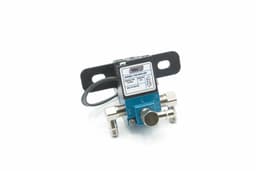
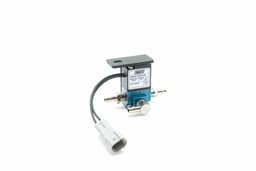
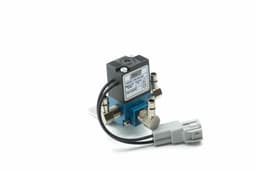
Boost control solenoids connect to the ECU, enabling intelligent, variable boost control based on operating conditions. The ECU controls the solenoid by varying its duty cycle, aka the percentage of time that the solenoid valve is open.
2-Port Solenoid
The 2-port solenoid is plumbed between the boost source and the wastegate actuator using a T-fitting. One port connects to the boost source; the other vents to atmosphere. It works by bleeding off a portion of the boost pressure signal before it reaches the wastegate actuator, forcing the turbocharger to generate more pressure before the wastegate opens.
Despite the advantages of intelligent control based on operating conditions, the 2-port solenoid never fully isolates the wastegate actuator from boost pressure. This means exhaust gases are still being bypassed before maximum boost is reached.
3-Port Solenoid
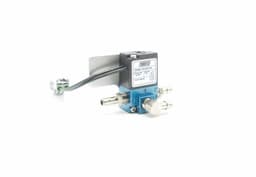
The 3-port solenoid is the most common boost control solution and the recommended choice for most turbocharged street and performance builds. It has three ports: one to the boost source, one to the wastegate actuator, and one that vents to atmosphere.
The key advantage over the 2-port design is that the 3-port solenoid completely blocks boost pressure from reaching the wastegate actuator while closed. This means the wastegate stays fully shut during spool-up, with no exhaust gases bypassed until the target boost pressure is reached. The result is faster spool, reduced turbo lag, and the ability to run boost levels two to three times higher than the wastegate spring rate alone would allow.
Note that there are a couple valid plumbing configurations for the 3-port solenoid. Consult the manufacturer, your tuner, or other resources to confirm the right setup for your application. At very high boost pressures, a single 3-port solenoid may be insufficient to maintain precise boost control, in which case a 4-port setup should be considered.
4-Port Solenoid
The 4-port solenoid is designed for high-performance applications requiring advanced boost control. It has four ports: an inlet, an atmospheric vent, and two outlets that connect to the top and bottom ports of the wastegate. By pressurizing one side of the wastegate and venting the other, it actively controls the wastegate in both directions — holding it closed during spool-up and opening it precisely when needed.
This design allows for boost levels four to five times higher than the wastegate spring rate alone, and also enables boost reduction in specific conditions (for example, limiting boost in lower gears to maintain traction).
The trade-off is low boost resolution. Small changes in solenoid duty cycle produce large swings in boost pressure, which can cause erratic boost levels. Because of this downside, 4-port boost controllers are typically reserved for high performance applications rather than street driving.
Choosing the Right Boost Controller
| Type | Best For | Key Trade-Off |
|---|---|---|
| Manual | Budget builds, fixed boost increase | No dynamic adjustment |
| 2-Port Solenoid | ECU-controlled boost with modest spool improvement | Wastegate still sees boost pressure during spool |
| 3-Port Solenoid | Most street and performance builds | May be insufficient at very high boost levels |
| 4-Port Solenoid | High-performance builds requiring maximum boost control | Low resolution, erratic boost |
Conclusion
For most turbocharged street and performance builds, a 3-port boost control solenoid is the right choice. It delivers fast spool up, meaningful boost increases over the wastegate spring rate, and intelligent ECU-based control. Pair your boost controller with a properly sized wastegate and turbocharger, and you'll be making consistent, controlled boost across a range of RPM conditions. You can find all the parts you need and plan your build on RideBuilder.