Buyer's Guide: Brake Pads
5 min readRideBuilder
Brake Pad Buyer's Guide
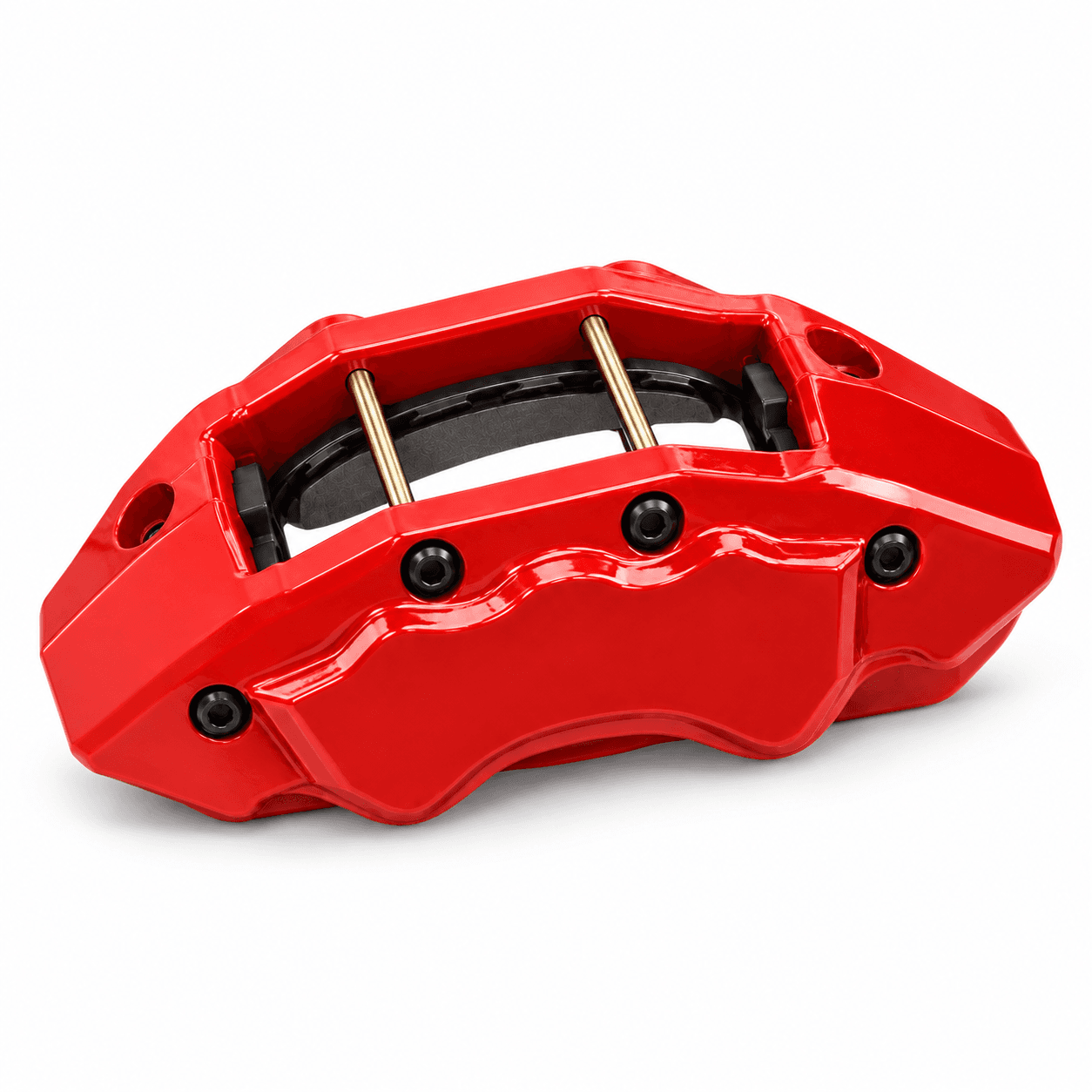
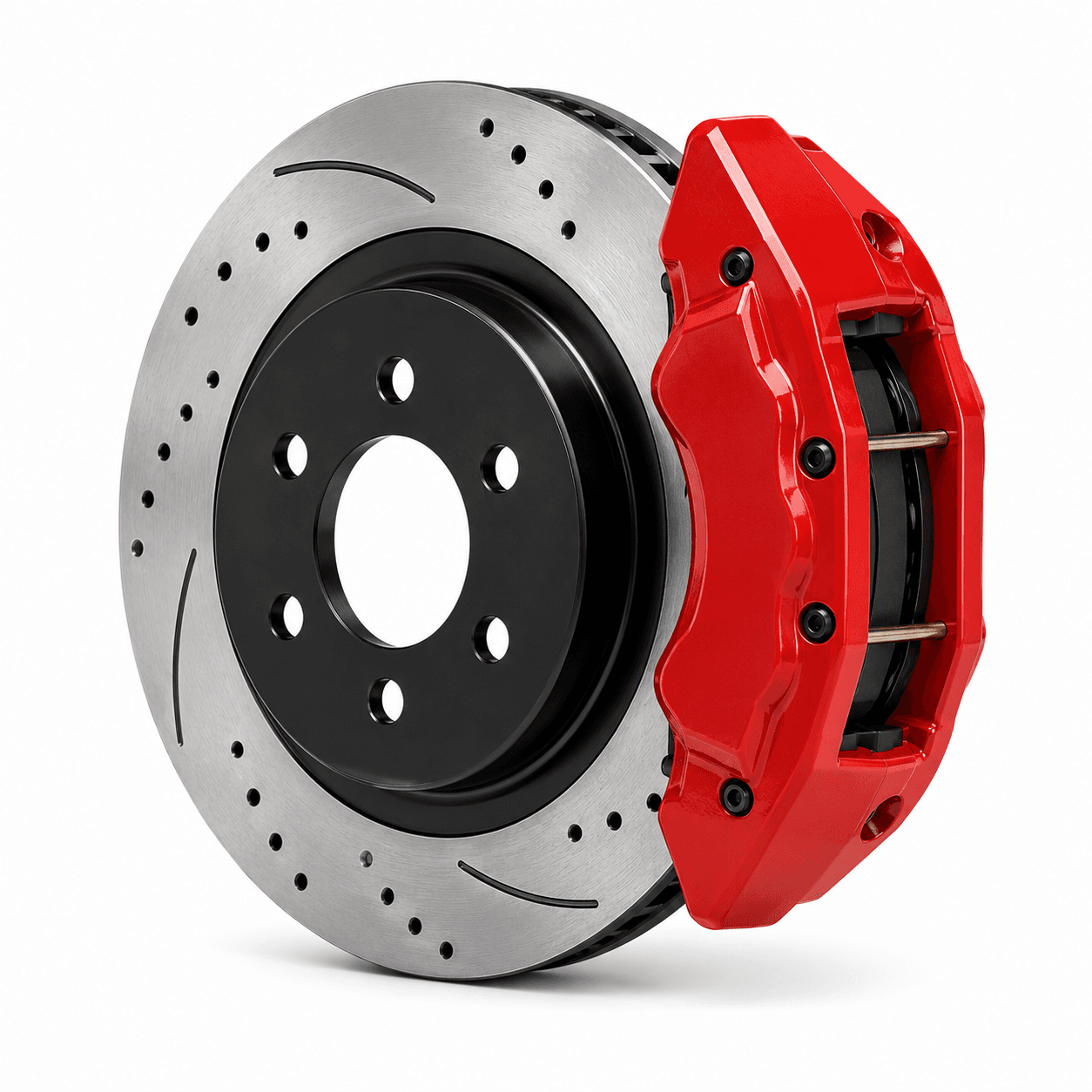
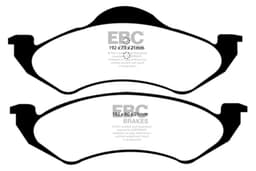
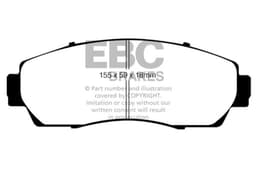
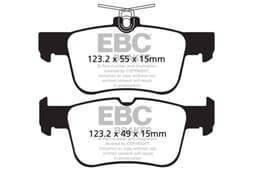
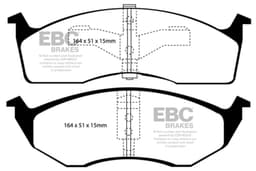
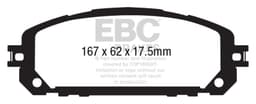
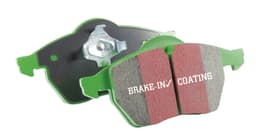
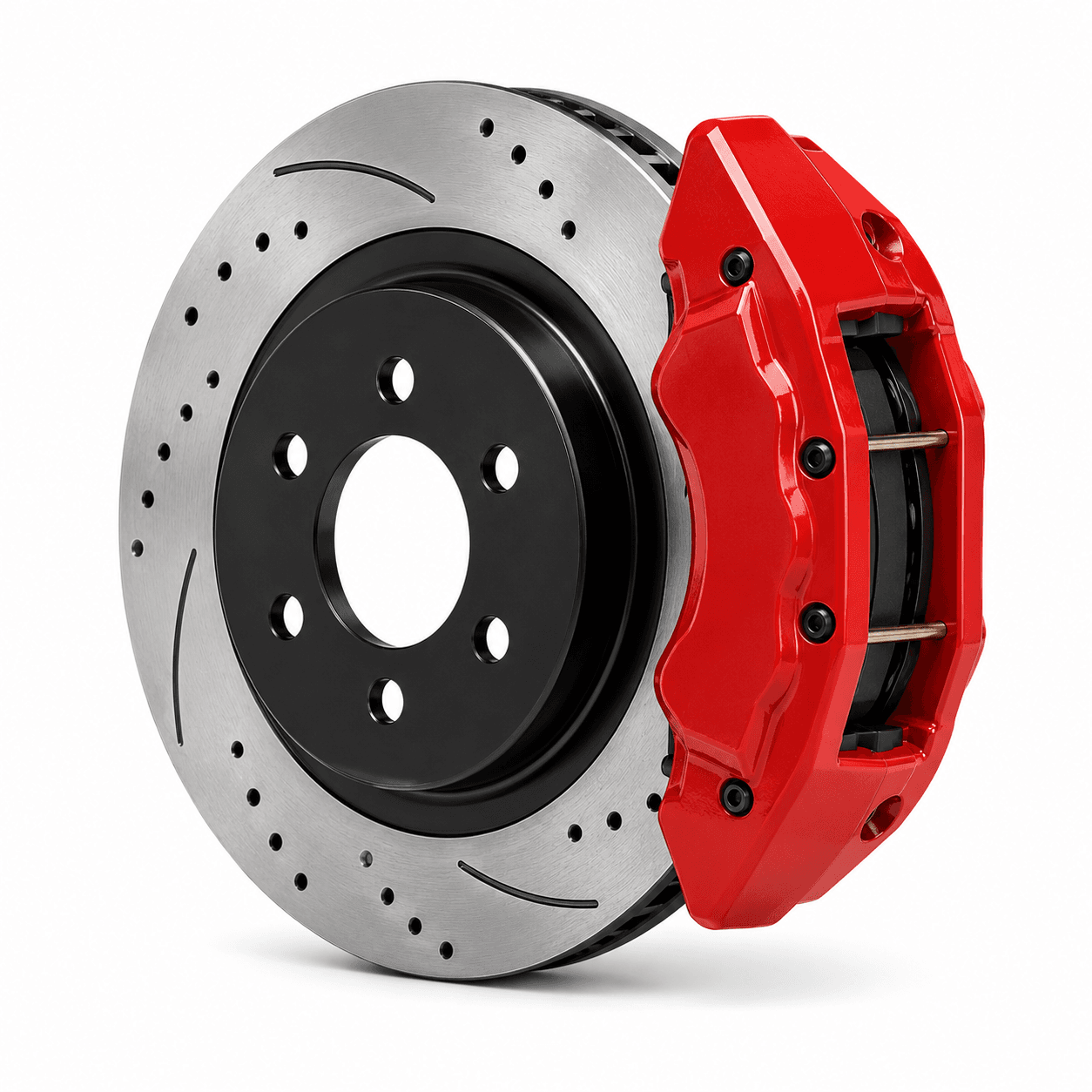
In disc brake systems, brake pads generate the friction necessary to slow and stop a vehicle. They are located at the wheel, sandwiched between the caliper and the rotor. When you press the brake pedal, the caliper squeezes the pads against the spinning rotor, generating friction that slows the wheel down. Each pad consists of a steel backing plate bonded to a layer of friction material. This friction material wears down over time with use and eventually requires replacement. This guide covers when to replace your brake pads, how to choose the right friction material for your application, and what to verify before purchasing.
When to Replace Your Brake Pads
A brake pad's friction material slowly wears down during the course of its lifespan. Most manufacturers recommend replacement when the friction material reaches 3–4mm of remaining friction material. In addition to visual inspection, two warnings signs can help you know when you've reached or passed that point.
-
Squealing: Most modern pads include a small metal wear indicator tab that contacts the rotor and produces a high-pitched squeal when the pad is getting low. This is intentional and helps you know to replace your pads soon.
-
Grinding: A grinding or metal-on-metal sound means the friction material is completely gone and the steel backing plate is contacting the rotor directly. Replace immediately.
Pad lifespan varies anywhere from 20,000 to 75,000 miles depending on your driving habits, conditions, and the friction material. Aggressive driving, frequent hard stops, and track use all dramatically accelerate wear.
Friction Material
The friction material is the most important specification when choosing brake pads. Different compounds have different properties and use cases.
Organic
Organic pads are the most common pads on factory vehicles and are composed of fibers bound with resin.
-
Pros: Inexpensive, quiet, gentle on rotors, and does not need to be hot to generate good friction
-
Cons: Softer, wears more quickly, produces more brake dust, and prone to brake fade under sustained heat.
-
Best for: Daily drivers with light to moderate use.
Note: Hybrid organic (also called NAO or low-metallic) pads offer modestly better performance and reduced dust compared to standard organic, and are a worthwhile upgrade for daily drivers who want slightly better performance and a cleaner wheel.
Semi-Metallic
Semi-metallic pads incorporate metal fibers into the friction material, improving performance.
-
Pros: Excellent performance across a wide temperature range, good longevity, better fade resistance than organic.
-
Cons: More rotor wear, increased brake dust, and can be noisier, especially when cold.
-
Best for: Spirited street driving and light track use
Ceramic
Ceramic pads use ceramic fibers and filler materials, offering a well-rounded combination of performance, durability, and cleanliness.
-
Pros: Strong performance, low dust, quiet operation, and the longest lifespan of common pad types.
-
Cons: Higher cost compared to organic or semi-metallic pads.
-
Best for: Any application from daily driving to spirited street use. The best all-around option for most drivers who want performance without the compromises of semi-metallic.
Specialty / Racing Pads
Sintered metal, carbon-ceramic, and carbon fiber pads are designed specifically for motorsport applications. These compounds require significant heat to reach their optimal operating temperature, making them unsuitable for street use. If you are building a dedicated track vehicle, consult a specialist for pad selection.
Operating Temperature Range
Every brake pad compound has an optimal operating temperature window. Outside of that window, either too hot or too cold, and you will see reduced braking performance.
-
Street Pads (organic, ceramic) are designed to work effectively from cold and perform well under normal street temperatures. They can suffer from brake fade under sustained high heat.
-
Performance Pads (semi-metallic, racing compounds) require a warm-up period to reach their effective temperature range, but can withstand much higher sustained temperatures without fading.
This is why many enthusiasts who track their cars run different pads for street and track use. A pad optimized for track temperatures will be cold and underperforming on the drive to the event and a street pad will fade within a few laps.
Pad Size and Compatibility
Brake pads are designed to fit a specific caliper. Larger pads distribute braking force and heat over a greater surface area, which improves fade resistance and extends pad life. However, pad size is determined by your caliper, not a specification you choose independently.
-
Vehicle year, make, model, and trim: Most pad manufacturers list compatibility. Verify your vehicle is listed.
-
Caliper compatibility: If you have upgraded to aftermarket calipers, verify pad fitment against the caliper manufacturer's specifications. OEM fitment listings will not apply.
Conclusion
Brake pads are one of the most frequently replaced components in your braking system and one of the most impactful on feel and performance. Match the friction material to your driving style and temperature expectations, verify fitment against your specific vehicle and caliper, and replace pads before the friction material is fully worn. For most drivers, ceramic pads offer the best balance of performance, longevity, and cleanliness. For dedicated performance use, semi-metallic compounds provide better high-temperature fade resistance at the cost of increased rotor wear and dust. You can find all the parts you need and plan your build on RideBuilder.