Wheel Buyer's Guide
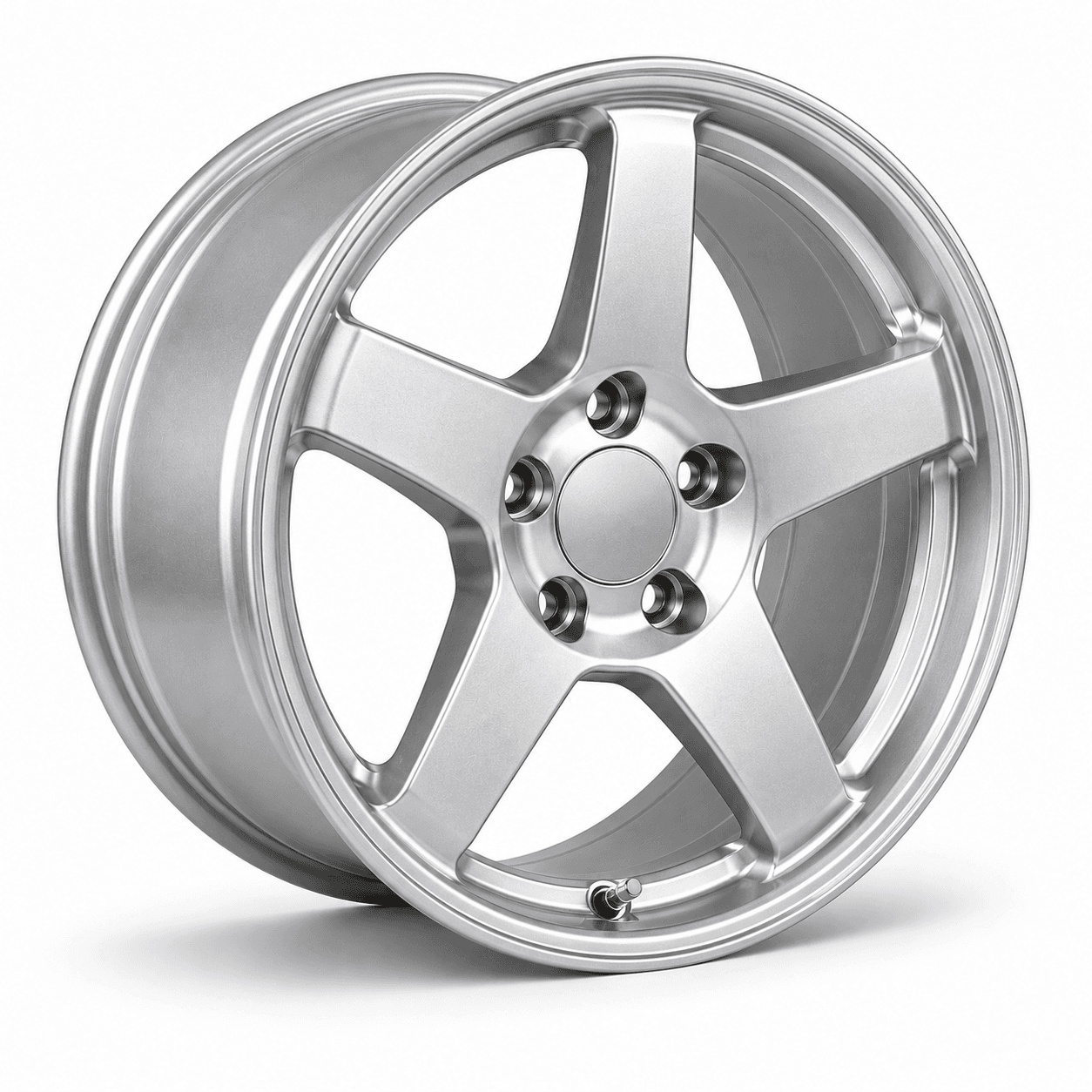
Wheels are one of the most impactful upgrades you can make - affecting both how your car looks and how it drives. For many enthusiasts, wheels are one of the first modifications. Aftermarket wheels offer lighter, stronger, and more stylish options than factory wheels. Choose from a variety of diameters, widths, offsets, and spoke designs to bring your dream car to life. This guide walks you through everything you need to know about wheels so you can shop and modify with confidence.
Before You Shop: Define Your Goal & Budget
Before diving into specs, take a moment to define your goal and budget. These two decisions will guide everything that follows.
What is your end goal?
-
Performance: Prioritize weight reduction. Reducing unsprung mass (weight not supported by the suspension) is one of the single best ways to improve acceleration, braking, and cornering. For example, a high quality flow-formed wheel can weight 25-40% less than a comparable cast wheel.
-
Aesthetics: If you're after a specific "look," your decisions will lean more toward diameter, spoke design, finish, and fitment.
-
Both: Most enthusiasts land somewhere in between. Understanding your priorities early will guide every decision that follows.
Set a realistic budget
It's easy to overspend when you find the "perfect" set of wheels - or underspend and regret it later. Setting a budget upfront helps you avoid unnecessary spending on premium brands and ensures you have money left for your tires, suspension, and other build components.
If you're considering used or refurbished wheels, inspect them carefully for cracks, curb rash, or other damage before purchasing. A cracked wheel is unsafe regardless of the price.
Consider your Fitment Goals
How the wheel sits relative to the car's body is heavily influenced by your suspension and tire choices. See our coilover guide and tire guide for more details. Some common wheel fitment terms include:
-
Tucked: The wheel and tire sit well inside the fender.
-
Flush: The outer face of the wheel sits even with the fender edge. This is the most popular target for enthusiasts.
-
Poke: The wheel extends beyond the fender.
-
Stance: Extreme fitment involving heavy camber and/or stretched tires. Primarily aesthetic rather than performance-oriented.
STEP 1: Identify Critical Wheel Specifications
These are the six specs you must confirm before purchasing, listed in order of importance.
1. Diameter (in)
Wheel diameter is measured across the bead seat and is the single most important factor affecting aesthetics, ride comfort, and performance. Start by identifying your current wheel diameter, typically stamped on the back of the wheel or listed in your vehicle's factory specs. Use this as your baseline before making any changes.
Larger Diameter Wheels:
-
Improve aesthetics and allow for bigger brakes.
-
Increase weight, reduce ride comfort, and mildly reduce fuel economy.
Smaller wheels:
-
Reduce unsprung weight for better performance.
-
Improve ride quality and mildly improve fuel economy.

If you change wheel diameter, you must maintain overall rolling diameter by selecting the correct tire size. Failure to maintain overall rolling diameter can result in speedometer/odometer inaccuracies and fender clearance issues. Refer to our tire buyer's guide for more information on proper sizing.
2. Width (in)
Importance: Width governs how much "meat" (tire) you can put on the ground for traction.
Wheel width is measured from inner bead seat to inner bead seat, not the outer lip. Just like diameter, identify your current wheel width as a baseline before making changes.
Increasing wheel width allows you to run wider tires, which can improve traction, cornering grip, and stability under load. However, as width increases, inner clearance to suspension components decreases and outer clearance to the fenders tightens. Width must always be selected alongside offset (see Step 4). Check out our tire guide for how to ensure proper tire-to-wheel compatibility.
3. Bolt Pattern
Importance: If the wheel's bolt pattern doesn't match your vehicle's, the wheel cannot physically be mounted.

Bolt pattern is expressed as a lug count x bolt circle diameter in mm. For example, the bolt pattern 5x114.3 indicates there are 5 lugs spread out on a 114.3 mm diameter circle.
Refer to the diagram above for how to measure your bolt pattern diameter or search online for your vehicle's specific bolt pattern. If your desired wheel has a different bolt pattern than your hub, a wheel adapter can bridge the gap. Check out the wheel adapter buyer's guide for more information. Note that adapters add cost and complexity and are not recommended for most applications.
4. Offset (mm)
Offset (abbreviated ET) is the distance in millimeters from the wheel's centerline to the mounting face. It determines where the wheel sits within the wheel well and is the key variable in achieving your desired fitment.

-
Positive Offset: The mounting face is toward the street side, pulling the wheel inward into the wheel well.
-
Zero Offset: The mounting face is at the centerline.
-
Negative Offset: The mounting face is toward the car side, pushing the wheel outward towards the fender.
To find your current offset, look for the "ET" stamp on the back of the spokes or barrel. Before changing offset, measure available clearance on both sides of the wheel. On the outside, align a straight edge flush with the face of your wheel, point it up toward the fender, and measure the distance to the inner fender lip. Repeat on the inside from the wheel to the nearest suspension component. Always verify clearance with the suspension under load to ensure proper measurement.
These measurements will give you a rough working range of how much you can change offset from its current value.
Keep in mind:
-
Increasing width will also push the wheel outward and inward simultaneously
-
Too much positive offset can cause suspension interference
-
Too much negative offset can lead to fender rubbing
Offset and width must always be selected together.
5. Center Bore (mm)
The center bore is the hole in the middle of the wheel that seats over the vehicle's hub.

-
If the bore is too small, the wheel will not fit
-
If the bore is larger than the hub, hub-centric rings are required to fill the gap.
Aftermarket wheels commonly feature oversized center bores to fit a wide range of vehicles. Without proper hub centering, the wheel becomes lug-centric, which can cause vibrations at speed and uneven stress on lug hardware. Find your vehicle's hub diameter by searching online or measuring with calipers. See the Hub-Centric Ring Buyer's Guide for help selecting the right rings.
6. Lug Seat Type
Different wheels require different lug nut seats. The most common profiles are conical, ball, or flat. You must match your lug nut seat profile to the lug seat present on your wheels. Using lug nuts with the wrong seat type prevents proper load distribution and can cause loosening over time, improper torque, and other safety issues. See the lug nut buyer's guide for more detailed guidance.

Step 2: Choose a Construction Type
The construction method of a wheel is the primary driver of its strength-to-weight ratio and its ability to handle impact.
-
Cast (Aluminum): Formed by pouring molten aluminum into a mold. While cost-effective and available in many styles, cast wheels are generally the heaviest and most prone to cracking under stress.
-
Flow-Formed / Roll-Formed (Aluminum): Flow-formed wheels are manufactured by heating a cast wheel and shaping it under high pressure rollers. This stretches and compresses the barrel into a lighter, stronger, and more durable structure compared to cast wheels.
-
Forged (Aluminum): Forged wheels are machined from a solid aluminum billet under extreme heat and pressure. They offer superior strength-to-weight ratios but come at a premium price.
-
Magnesium Alloy: Available in cast or forged, magnesium wheels offer exceptional lightweight performance at a premium price. However, magnesium is highly susceptible to corrosion and requires specialized care.
-
Multi-Piece (2- or 3-piece): These wheels consist of a separate center section (face) bolted or welded to one or two barrel sections. They offer the highest degree of customization for width and offset, and allows individual sections to be replaced if damaged.
For most car enthusiasts, roll-formed (flow-formed) wheels represent the ideal balance of performance and value. They provide a significant reduction in unsprung mass, increased barrel strength, and come at an affordable price point. This makes them the "sweet spot" for street performance and occasional track use.
Step 3: Select Your Wheel Finish
Wheel finish is primarily an aesthetic choice, but also affects durability and maintenance requirements.
-
Powder Coating: The most durable finish. A dry powder is applied electrostatically and heat-cured, offering strong resistance to chips, scratches, and road salt.
-
Painted: Offers a wide range of colors and gloss levels, but is generally less resistant to impact and chemicals compared to a powder coat.
-
Machined/Polished: Premium, reflective appearance. These require significantly more maintenance than their counterparts. If they lack a clear coat, they are highly susceptible to oxidation and damage from brake dust.
When selecting a finish, consider your climate and wash routine. If you live in an area where roads are salted in the winter, a high-quality powder or clear-coated finish is essential to prevent corrosion.
Conclusion
The right wheels can sharpen handling, improve braking, and define the look of your build. Start with the specs that determine physical fit including diameter, width, and bolt pattern. Then work through offset, center bore, and lug seat to dial in your fitment. Use your current wheels as a baseline, measure carefully, and verify clearance under suspension load. When in doubt, forums for your specific vehicle are a great resource for seeing what others have successfully run. You can find all the parts to plan your build on RideBuilder.