
Buyer's Guide: Wheel Spacers
5 min read
RideBuilder
Wheel Spacer Buyer's Guide
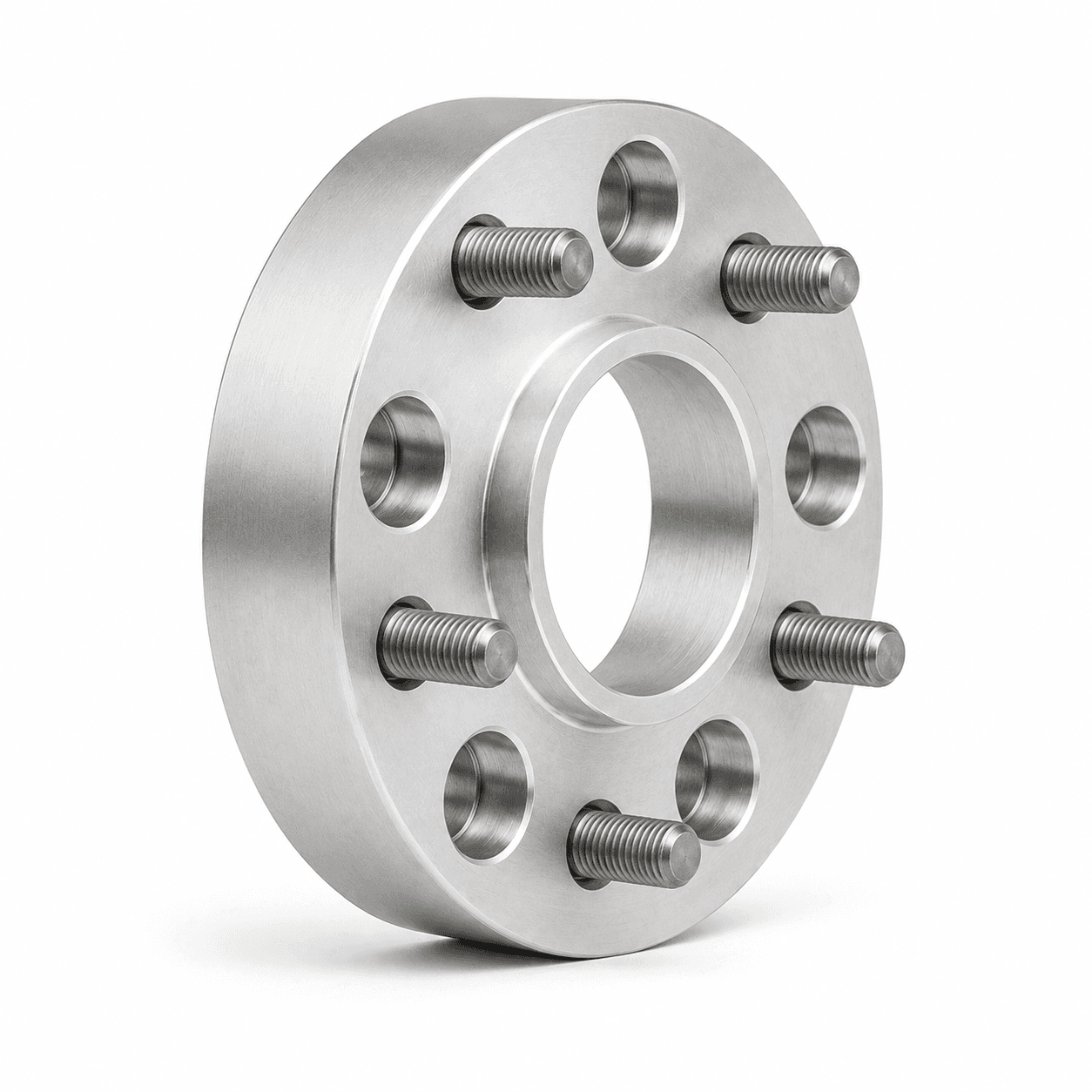
A wheel spacer sits between the wheel hub and the wheel itself, pushing the wheel further outward by a set thickness, (e.g. 10mm, 20mm, etc). Wheel spacers allow enthusiasts to fine-tune the position of their wheel relative to their fenders and suspension. They are one of the most common tools for achieving a specific fitment look or resolving clearance issues. This guide walks you through everything you need to know to pick the right spacers for your vehicle.
Why use a Wheel Spacer?
-
Dial in Fitment: Dial in your desired wheel position. Wheels spacers allow you to bring a tucked wheel flush with the fender, for example.
-
Prevent rubbing: By shifting your wheel more outward, you adjust effective offset and can prevent the wheel or tire from rubbing against suspension components like struts or control arms.
-
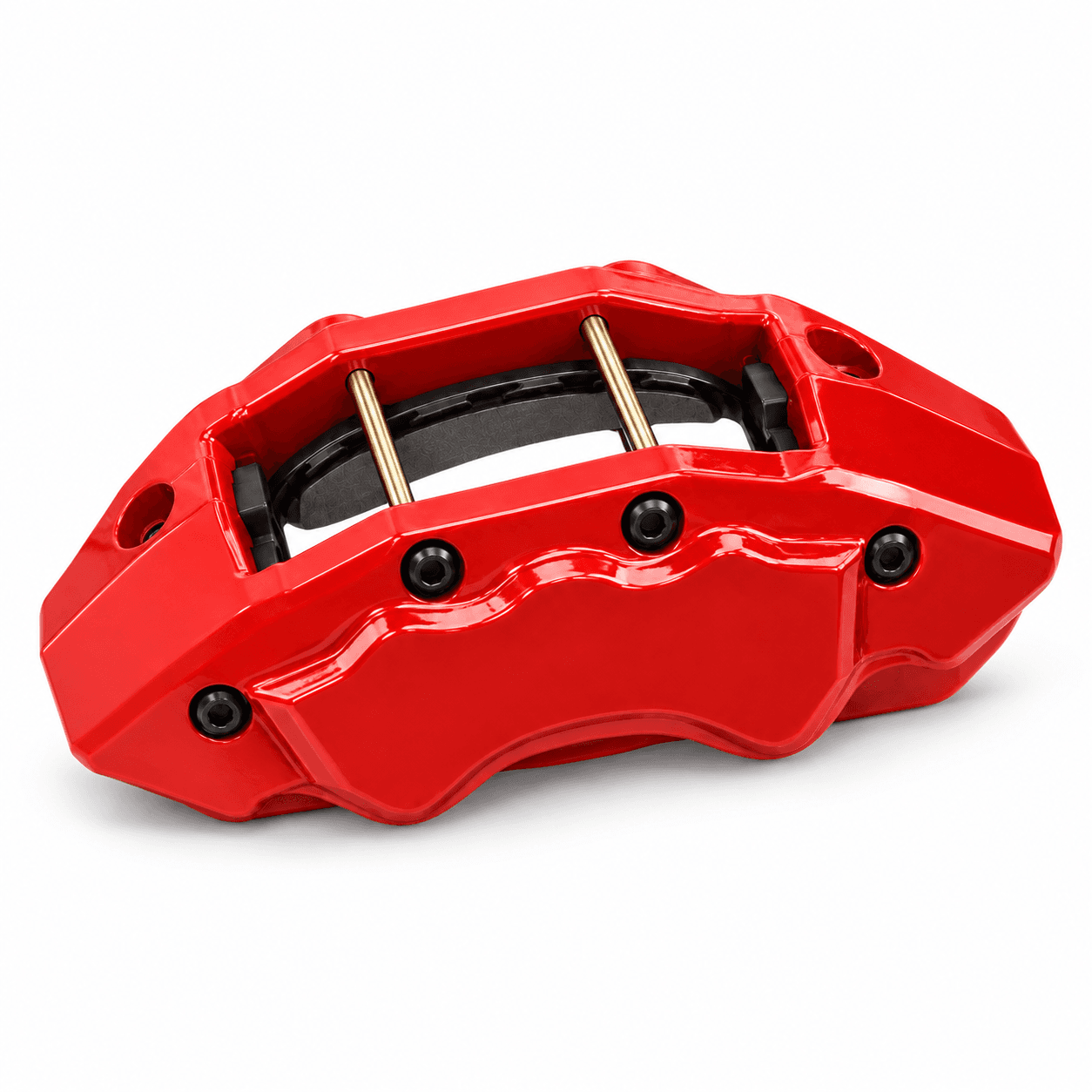
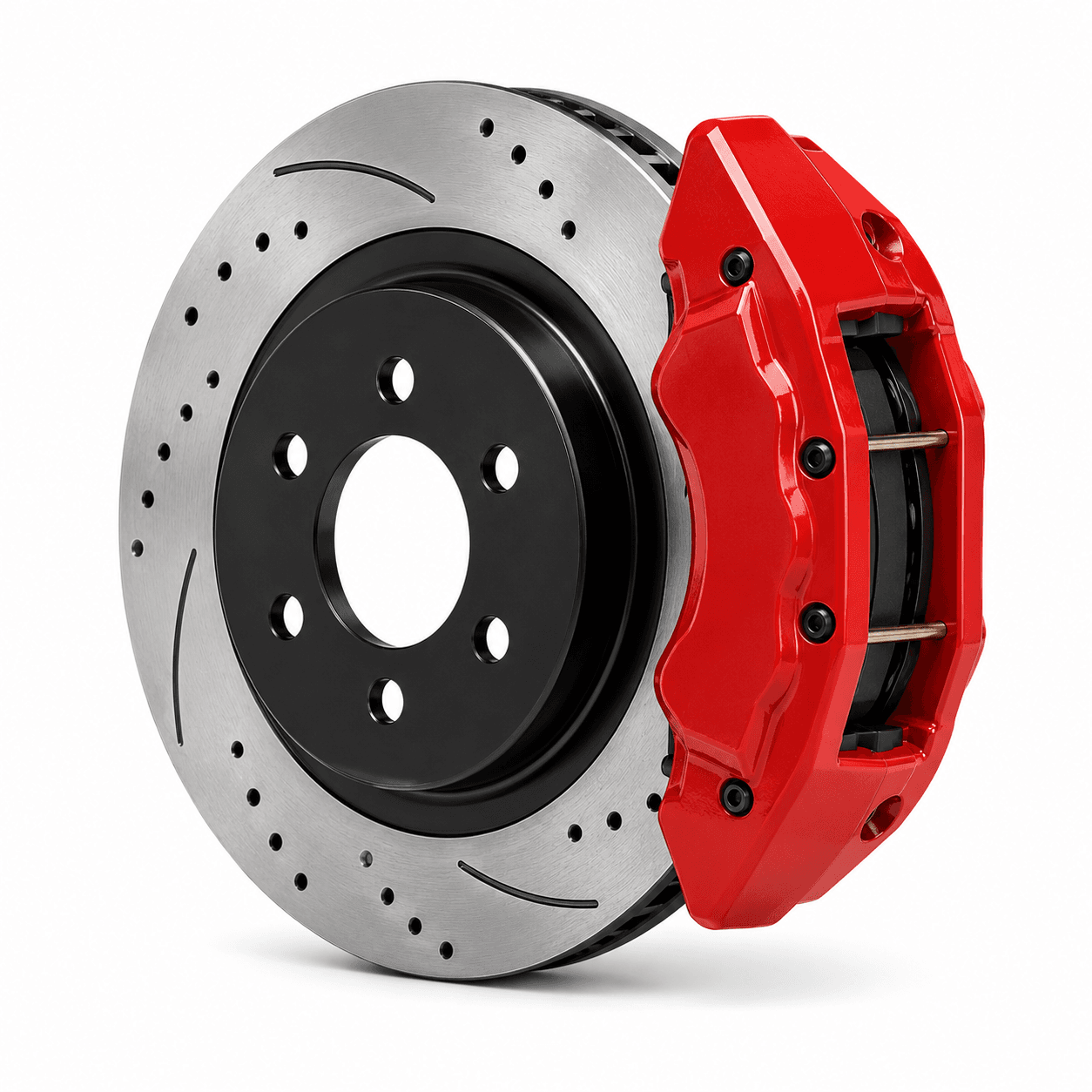
Clear bigger brakes: When a brake caliper interferes with your wheel spokes, a spacer can be used to create the necessary clearance.
Thickness
Wheel spacers come in a wide range of thicknesses. Often, the front wheels and rear wheels will require different thickness of wheel spacers to achieve your desired look. There are two main types of wheel spacers:
-
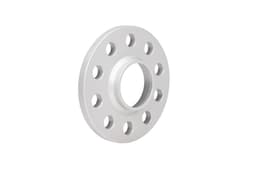
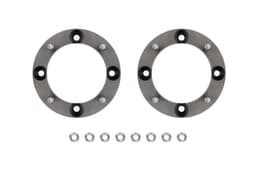
Slip-On: Thin, plate-style spacers that slide over the existing studs. Best for small adjustments of roughly 3-15 mm. Because they reduce the available stud length for your lug nuts, thread engagement must be verified before using a slip-on spacer.
-
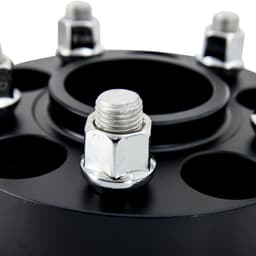
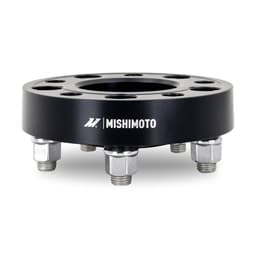
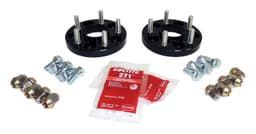
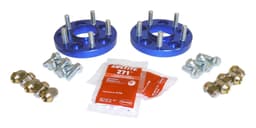
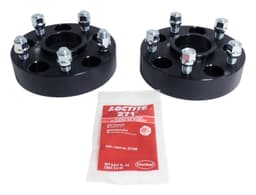
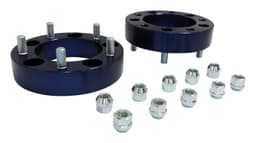
Bolt-On: Thicker spacers that bolt to the hub and include their own set of studs for the wheel to mount onto. Required for larger adjustments where a slip-on spacer would create unsafe thread engagement. The safer choice for anything beyond a modest adjustment.
Determining the Right Thickness
Your target fitment determines the thickness you need:
-
Tucked: The wheel and tire sit well inside the fender.
-
Flush: The outer face of the wheel sits even with the fender edge. This is the most popular target for enthusiasts.
-
Poke: The wheel extends beyond the fender. Common in stance and show builds, but may require fender rolling or trimming.
To find the thickness you need, measure the gap between your current wheel and the inside of your fender. Align a straight edge with the face of your wheel, point it up, and use a ruler to measure the distance to the inner lip of your fender. Always check clearances with the suspension compressed for the most accurate measurement.
Center Bore
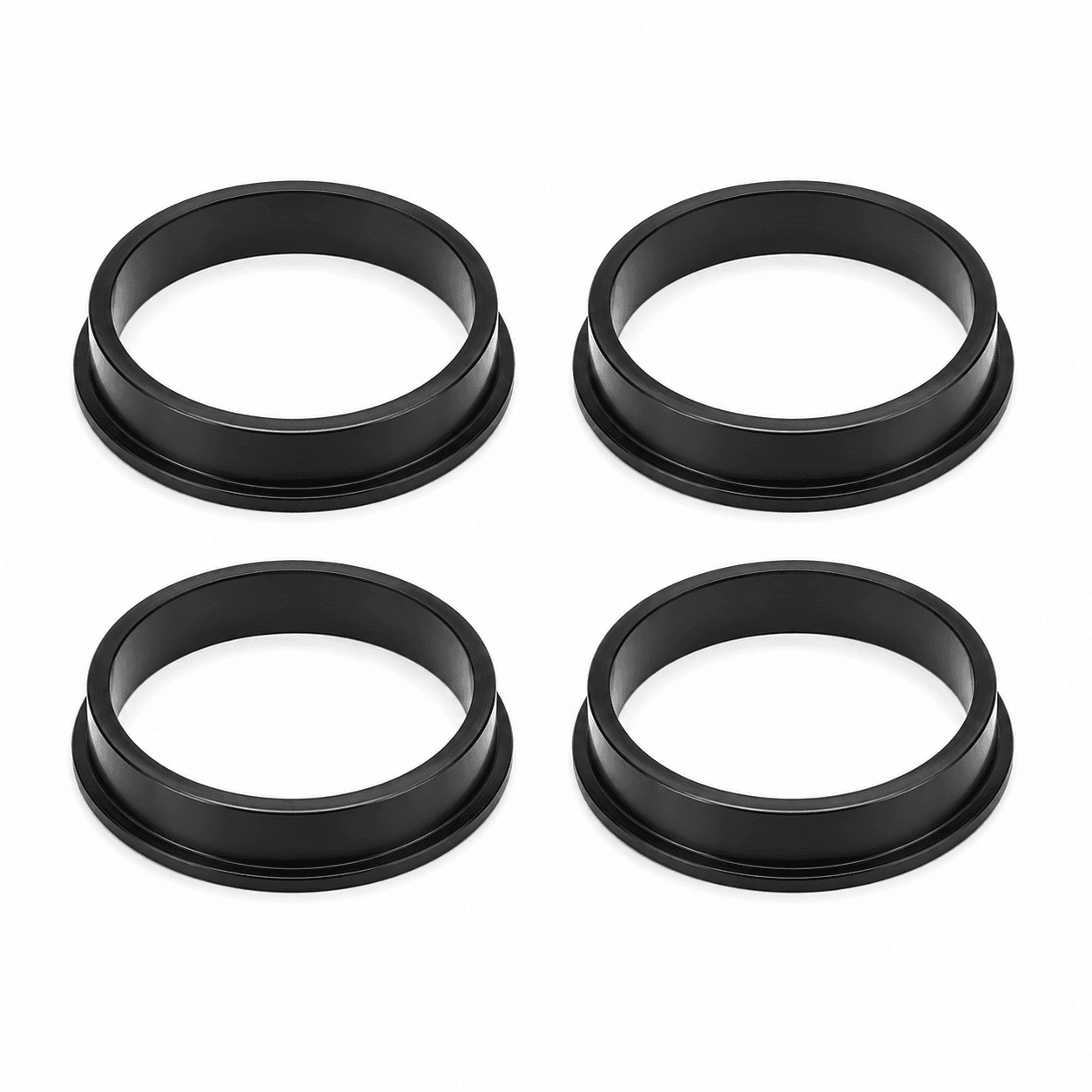
Match your wheel spacer's center bore to your vehicle's hub diameter to ensure hub-centric fitment. Hub-centric spacers prevent vibration. You can find your vehicle's center bore measurement by searching online or using calipers for a precise measurement. See our hub-centric ring guide for more information about hub-centric fitment.
Wheel Bolt Pattern
Your wheel spacer must also match your vehicle's bolt pattern, both the number of lugs and the bolt circle diameter. A mismatched bolt pattern will prevent installation entirely. You can find your vehicle's bolt pattern by searching online or measuring using the diagram below.

Cautions & Tradeoffs
Wheel spacers are a popular and widely used modification, but there are tradeoffs to understand before installing them.
-
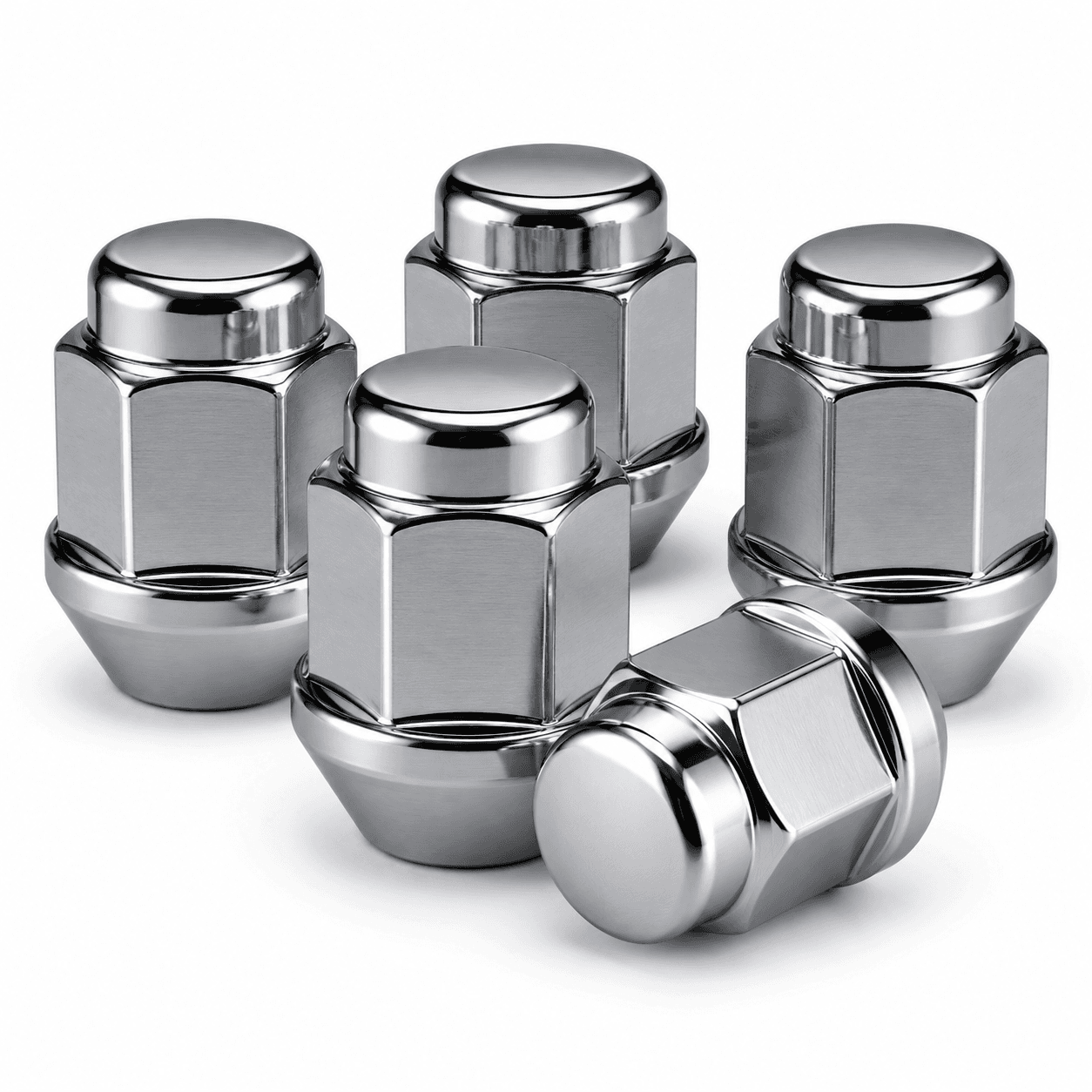
Thread Engagement: Slip-on spacers reduce the available stud length for your lug nuts, which can compromise thread engagement. The minimum thread engagement for lug nuts/bolts is equal to the diameter of the stud/bolt. For example, a 12 mm stud requires at least 12 mm of thread engagement. If your remaining stud length doesn't meet this threshold after adding a slip-on spacer, switch to a bolt-on spacer with longer studs or install extended studs.
-
Fender Rubbing: Spacers push the wheel outward, increasing the risk of fender rubbing and damage - especially on lowered vehicles or with aggressive fitments. Check for rubbing at full steering lock and over bumps after installation.
-
Increased Bearing Stress: Spacers increase the lever arm acting on the wheel bearings, accelerating wear over time. The thicker the spacer, the more pronounced the effect. This is generally a minor concern for street-driven vehicles using modest spacer thicknesses, but is worth noting for track use or large spacers.
-
Altered Scrub Radius: Moving the wheel outboard changes your vehicle's scrub radius, which can affect steering feel and stability. More relevant for thick spacers.
Conclusion
Wheel spacers are an effective and affordable way to fine-tune wheel fitment, clear brake calipers, or resolve rubbing issues. Choose your target fitment, confirm your hub's center bore and bolt pattern, and select the appropriate spacer type and thickness. When in doubt, a bolt-on spacer is the safer choice for anything beyond modest adjustments. You can find all the parts to plan your build on RideBuilder.