
Buyer's Guide: Intercoolers
6 min read
RideBuilder
Intercooler Buyer's Guide
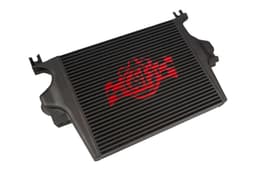
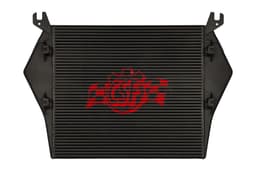
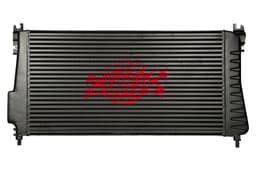
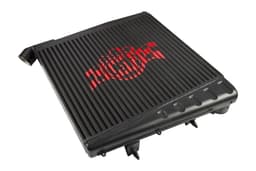
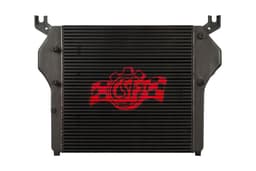
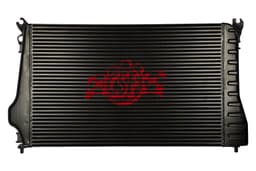
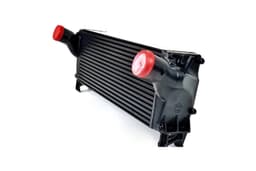
Intercoolers, also called charge air coolers, cool the hot, pressurized air coming from your turbocharger or supercharger. This helps maximize the amount of oxygen that reaches your engine and improves engine power. Intercoolers also help reduce the risk of engine knock, making them essential components of any good forced induction setup. Intercoolers are often included in turbo and supercharger kits, but if you're buying one separately, this guide covers everything you need to choose the right intercooler for your build.
Air-to-Air vs. Air-to-Water
The hot, pressurized air from your turbocharger or supercharger is called charged air, and the intercooler's job is to cool it. Intercoolers do this through either air-to-air or air-to-water cooling.
-
Air-to-Air: Ambient air passes over the intercooler's fins as you drive, drawing heat away from the charged air inside. The vast majority of aftermarket setups use air-to-air cooling for its simplicity and lower cost. The right choice for most street and performance builds.
-
Air-to-Water: Uses water circulating through the core to absorb heat from the charged air, taking advantage of water's far greater capacity (~24x) to absorb heat. The heated water then flows to a separate radiator where it sheds that heat before cycling back. Although air-to-water intercoolers provide superior cooling, the added pump, coolant lines, and radiator make them more complex, heavier, and more expensive. For this reason, air-to-water intercoolers are generally reserved for high-power builds and applications prioritizing consistent cooling under sustained load.
Bar-and-Plate vs. Tube-and-Fin
Air-to-air intercoolers come in two core constructions, and the right one for your build depends on your application.
-
Bar-and-Plate: Built from stacked bars and plates, creating a thick, robust core. Bar-and-plate intercoolers provide better cooling and durability, but come at a greater cost and higher weight compared to tube-and-fin intercoolers. Due to a bar-and-plate intercooler's increased thermal mass, they take longer to heat soak (and also cool off). These intercoolers are the standard choice for high boost and performance builds.
-
Tube-and-Fin: Uses rounded tubes with external fins, creating a lighter core that allows more ambient air to pass through to whatever sits behind it (radiator, A/C condenser). For street and budget builds where saving weight matters more than maximum durability, a tube-and-fin intercooler is a great choice.
Mounting Position
Where the intercooler is mounted affects both cooling and packaging.
-
Front Mount: Mounted in the front of the vehicle, usually in or behind the bumper, for maximum exposure to ambient airflow. The most common performance choice and the best for sustained cooling. The downside to front mount intercoolers is longer piping and mild airflow restriction to the radiator.
-
Top Mount: Sits on top of the engine, fed by a hood scoop. Shorter piping improves response, but it sits in a hot location and is prone to heat soak. Commonly seen on turbocharged Subarus.
-
Side-Mount: Tucked into a front side inlet of the bumper. Not typically recommended, usually chosen due to limited space available.
Sizing Your Intercooler
Higher boost produces hotter charged air, which calls for larger intercoolers. When sizing, it helps to know which dimensions matter most.
Prioritize frontal area (height and width), since that's the surface exposed to incoming ambient air. Within that, height is often the most effective dimension to grow, increasing length offers diminishing returns, because the air has already given up much of its heat by the time it reaches the far end of the core. Increasing core depth (thickness) also improves cooling but likewise suffers diminishing returns and can add to pressure drop.
Two cautions on sizing:
-
Bigger isn't always better. A larger core adds more weight and has more internal volume to fill, which increases turbo lag. Although larger cores will lead to better cooling, oversizing your intercooler often only yields small gains.
-
Always measure your available space. Whatever dimensions you target, confirm the intercooler physically fits your vehicle before purchasing.
Intercooler Pressure Drop
Pressure drop is the difference in air pressure between the intercooler's inlet and outlet. A well-designed intercooler will minimize pressure drop to maximize power from your turbo. Note that some pressure drop is unavoidable because cooling the air naturally lowers its pressure slightly. Excessive pressure drop, however, means the turbo has to work harder to deliver boost to the engine.

Some manufacturers publish pressure-drop figures across a range of airflow (CFM), which is useful for comparing cores. In general, taller and thicker cores tend to reduce pressure drop, while denser internal fins improve cooling but increase pressure drop. Manufacturers carefully tune this balance for each application.
Intercooler Piping
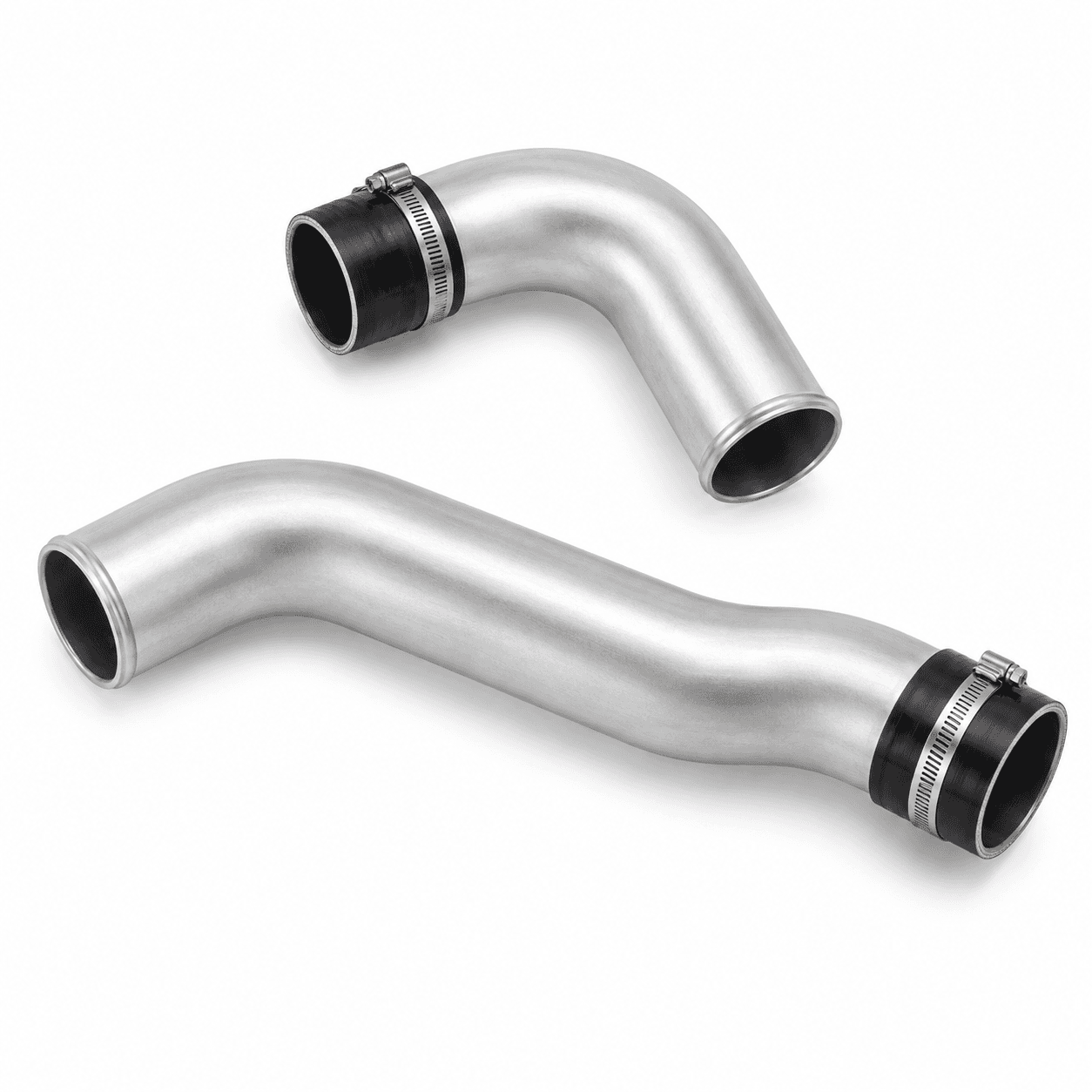
Piping routes charged air from the turbo to the intercooler and from the intercooler to the throttle body. If you're buying a complete kit, choose one made for your specific year, make, model, and engine variant to ensure proper fitment and ease of installation. For a deeper look at piping material, diameter, and routing, read our Intercooler Piping Buyer's Guide.
Conclusion
An intercooler is an essential component of any forced induction build. For most street and performance setups, a front-mount air-to-air intercooler is the right choice. Choose bar-and-plate for durability and sustained cooling, or tube-and-fin for weight reduction, then size your core to your power goals and space available. Get the fundamentals right and your intercooler will be a valuable addition to your forced induction build. You can find all the parts you need and plan your build on RideBuilder.