

Buyer's Guide: Thermostats
3 min read
RideBuilder
Thermostat Buyer's Guide
The thermostat regulates engine temperature by controlling how much coolant flows to the radiator. This guide covers how thermostats work, the signs of a failing one, and how to choose the right one for your vehicle.
How Thermostats Work
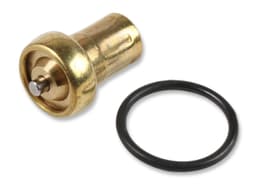
The thermostat is a temperature-controlled valve that remains closed when the engine is cold, keeping coolant circulating inside the block so the engine warms up quickly. As the engine reaches operating temperature, typically around 180 to 195°F depending on the vehicle, the thermostat opens, allowing hot coolant to flow through the radiator and shed heat.
The thermostat sits somewhere between fully open and fully closed, constantly adjusting its position based on coolant temperature to hold the engine at its ideal temperature range. Thermostats are critical components that regulate engine temperature, ensuring smooth engine operation.
What a Thermostat Doesn't Do
The thermostat determines the temperature at which cooling begins, not how well it cools. The latter is up to your radiator, fans, and water pump. It cannot make your engine run cooler than your radiator, fans, and water pump are capable of cooling it.
Signs of a Faulty Thermostat
The most common signs your vehicle's thermostat needs replacement are:
-
Engine overheating: A thermostat stuck closed prevents coolant from reaching the radiator, causing the engine to overheat.
-
Trouble reaching operating temperature: If the thermostat is stuck open, coolant is constantly flowing through your radiator, preventing your engine from reaching normal operating temperature. This leads to poor fuel economy and can trigger a check engine light.
-
Fluctuating engine temperatures: Erratic engine temperatures, including rapidly rising and falling readings on the gauge, may indicate a faulty thermostat.
-
Poor heater performance: A thermostat stuck open can leave the cabin heater blowing lukewarm air, since the engine never reaches full temperature.
Low-Temperature Performance Thermostats
A low-temperature thermostat is a common performance modification that allows your thermostat to open at a lower temperature compared to stock. For example, instead of opening at ~190°F, the modified thermostat might open at 160°F or 170°F. Since these thermostats start the cooling process sooner, they can lead to lower engine temperatures. A cooler combustion chamber is also less prone to knock. Note that a low-temp thermostat will not fix overheating; if the cooling system can't keep up, a colder thermostat won't lower the peak temperature under load.
The trade-offs: Engines are designed to operate in a specific temperature window. Running the engine below it can increase wear, reduce fuel economy, and can trigger a check engine light. For a daily driver, the OEM-temperature thermostat is almost always the right choice. Low-temperature thermostats start making sense on dedicated track builds and forced-induction builds.
Conclusion
The thermostat is a critical component of your cooling system that regulates engine temperature. When replacing your thermostat, find one specifically compatible with your exact year, make, model, and engine to ensure proper fitment. You can find all the parts you need and plan your build on RideBuilder.