Intercooler Piping Buyer's Guide
A good intercooler pipe setup provides smooth, unrestricted air flow to and from your intercooler. The piping comes in two parts: boost pipes route charged air from the turbocharger to the intercooler, while charge pipes route the cooled air from the intercooler to the throttle body. For simplicity, this guide will refer to boost pipes and charge pipes collectively as intercooler pipes. Whether you're designing a custom setup or buying a premade kit, this guide covers how to choose the right material, diameter, and routing for your build. For most enthusiasts, a kit made specifically for your year, make, model, and engine variant is the easiest way to ensure proper fitment.
Pipe Material
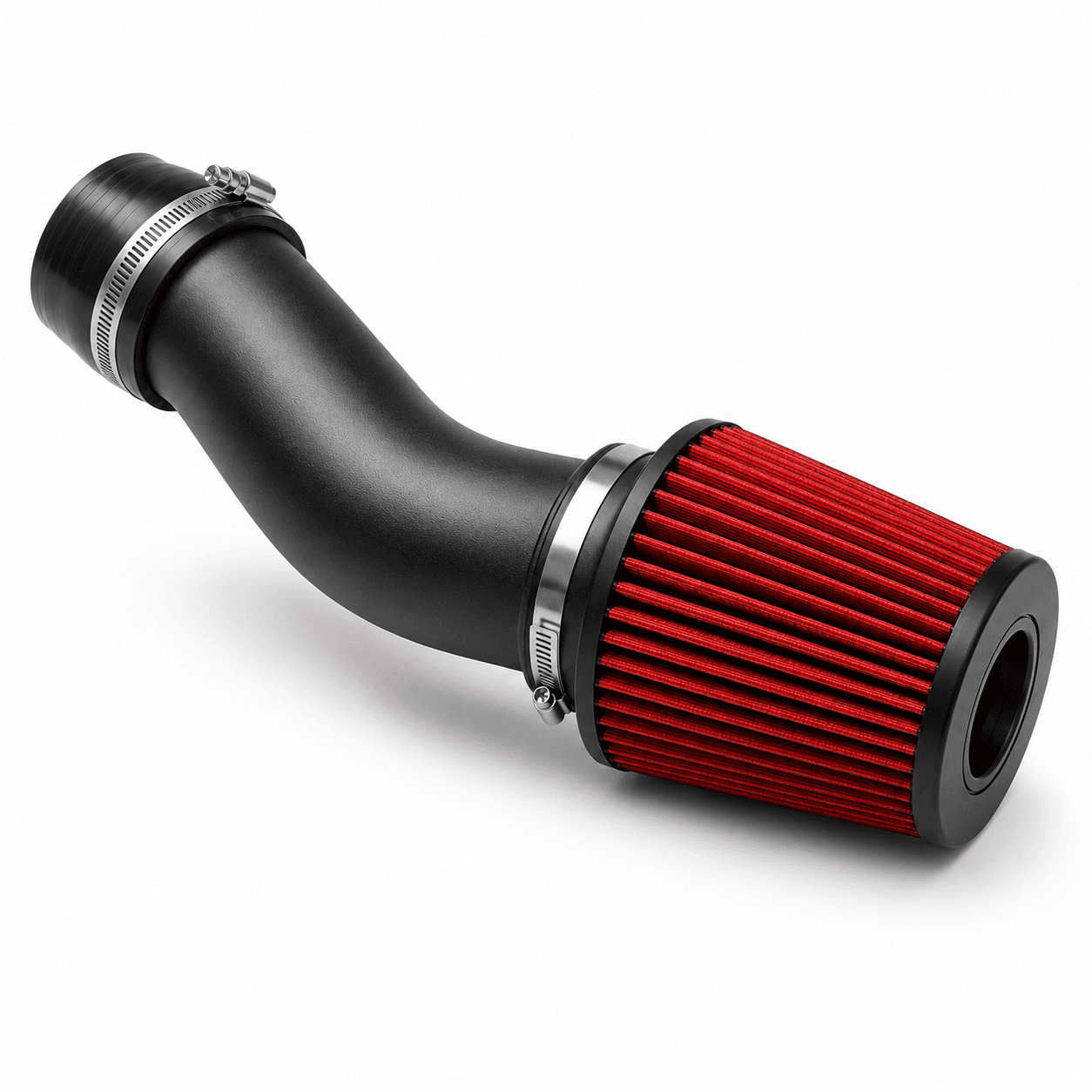
Intercooler pipes are typically made out of either mandrel-bent aluminum or silicone. For most applications, mandrel-bent aluminum is preferred due to its strength, durability, and ability to tolerate high boost pressures. To connect the pieces of aluminum, silicone couplers are used. Alternatively, using silicone instead of aluminum for your main piping provides the benefit of flexibility, making installation easier and reducing noise.
Whichever you choose, secure the couplers with T-bolt clamps or worm-gear clamps. T-bolt clamps are preferred because they provide better clamping pressure and are far less likely to allow a coupler to blow off under boost.
Intercooler Pipe Diameter
Pipe diameter is the most important performance specification. Too small of a diameter restricts flow and increases pressure drop. Too large of a diameter increases turbo lag. This is because larger diameters reduce air velocity and the turbo has to fill a greater volume of piping.
The best practice is to size your intercooler piping such that the air velocity is between 200 to 325 ft/sec. Use the calculator below to estimate the ideal pipe diameter based on your target horsepower.
Routing and Design

The routing of your piping affects flow and pressure drop. If you buy a premade kit, these design considerations have already been made for you. To get the best performance out of a custom build, follow the principles below:
-
Minimize bends. Every bend introduces turbulence and contributes to pressure drop. Use the most direct routing your engine bay allows.
-
Use large-radius bends. Where bends are unavoidable, a large radius bend will flow better compared to a tight angle.
-
Taper diameters gradually. If the piping needs to change diameter, a smooth taper maintains flow far better than an abrupt change.
-
Keep runs short. Shorter piping reduces the total volume the turbo must pressurize, improving throttle response.
Depending on your vehicle, you may need to drill holes in the chassis to route the piping cleanly.
Blow Off Valves
A blow off valve releases excess boost pressure from the intake system when the throttle closes, protecting the turbocharger from compressor surge. It is typically mounted on the charge pipe between the intercooler and throttle body.
When choosing piping, confirm that your blow off valve's mounting type and size match the bung on your piping. There are many different BOV mounting styles, so always double-check compatibility to avoid fitment issues. Read more in our blow off valve buyer's guide.
Conclusion
Selecting the right intercooler piping comes down to a few key decisions: material, diameter, and routing. Aluminum is the go-to for most builds, with silicone couplers at the joints. Size your pipe diameter with the calculator above to ensure efficient airflow without adding turbo lag. Keep your routing clean, minimize sharp bends, and make sure your blow off valve matches your piping before purchasing. Finally, use T-bolt clamps to keep everything sealed under pressure. Get these right and your intercooler system will flow efficiently and hold up under boost. You can find all the parts you need and plan your build on RideBuilder.